Dream Home Decor Ideas: Transform Your Space Into A Personal Sanctuary
Have you ever walked into a space and felt instantly at home, as if the walls were whispering stories of comfort and joy? That magical feeling isn't reserved for magazine spreads or celebrity mansions; it's the result of intentional dream home decor ideas brought to life. Your home should be more than a roof over your head—it should be a sanctuary that reflects who you are, supports how you live, and sparks happiness every single day. But where do you begin? The journey to your dream home isn't about following rigid rules or spending a fortune; it's about understanding core principles and making choices that resonate with your personal style. In this comprehensive guide, we’ll explore ten foundational strategies, from mastering color psychology to embracing sustainable materials, that will empower you to craft a space you’ll never want to leave. Get ready to unlock the secrets of interior design for everyday living and turn your vision into a beautiful, functional reality.
Creating a home that feels authentically "you" is a deeply personal endeavor. It’s about blending aesthetics with intention, ensuring every piece has a purpose and every hue tells a part of your story. Whether you're moving into a new space or giving your current one a long-overdue refresh, these dream home decor ideas will provide a clear roadmap. We’ll move beyond fleeting trends to focus on timeless techniques that build a cohesive, comfortable, and captivating environment. By the end of this article, you’ll have a toolkit of actionable advice to confidently transform each room, one thoughtful decision at a time.
1. Start with a Cohesive Color Palette That Reflects Your Personality
Color is the soul of your home’s aesthetic. It sets the emotional tone, influences perception of space, and ties disparate elements together. The first step in any home styling project is to establish a cohesive color palette that genuinely reflects your personality. Are you drawn to calm, serene blues and greens, or do vibrant, energetic yellows and oranges excite you? Your choice will define the room’s mood. A well-chosen palette typically follows the 60-30-10 rule: 60% dominant color (walls, large furniture), 30% secondary color (upholstery, rugs), and 10% accent color (pillows, art, accessories). This creates visual harmony without feeling flat.
Begin by finding inspiration in places you love—a favorite landscape, a piece of art, or even a cherished garment. Use tools like Pinterest or paint chip collections to build a mood board. Consider the psychological impact of colors; for instance, blues and greens promote relaxation in bedrooms, while warm yellows and oranges can stimulate conversation in living areas. Don’t forget to account for natural and artificial light, as colors can dramatically shift throughout the day. Test large swatches on your walls before committing. Remember, your palette should flow from room to room, creating a seamless narrative throughout your home. This foundational step ensures every subsequent decor idea feels intentional and connected.
2. Invest in Statement Furniture Pieces That Serve as Focal Points
Furniture is the architectural backbone of your decor. While it’s tempting to fill a room with budget-friendly, matching sets, the key to a dream home lies in investing in a few statement furniture pieces that anchor the space and spark conversation. A statement piece is an item with distinctive design, scale, or craftsmanship—a bold, curved sofa, an intricately carved wooden console, or a sculptural coffee table. It acts as a focal point, around which the rest of the room can organically arrange itself. This approach adds instant character and prevents a space from looking like a generic showroom.
When selecting your anchor furniture, prioritize quality and longevity. Look for solid wood construction, durable fabrics, and timeless silhouettes over trendy, disposable designs. Consider the room’s function; a massive dining table might perfect for a family that entertains, while a sleek, low-profile bed could define a minimalist bedroom. Don’t be afraid to mix styles—a vintage armchair alongside a modern sofa creates dynamic contrast. These investment pieces don’t have to break the bank; explore thrift stores, estate sales, or local artisans for unique finds. By curating a few exceptional items, you build a home decor foundation that is both stylish and enduring, allowing you to refresh the space affordably with smaller accessories over time.
3. Layer Textures and Patterns for Depth and Warmth
A room with only smooth surfaces and solid colors can feel sterile, no matter how beautiful the color palette. This is where the art of layering textures and patterns comes in. Texture refers to the tactile quality of a material—the nubby weave of a bouclé throw, the cool smoothness of marble, the rustic grain of a wooden bowl. Pattern is the visual motif, like stripes, florals, or geometric shapes. Skillfully combining both adds depth, warmth, and a sense of richness that makes a space feel collected and inviting. Think of it as the jewelry and clothing of your room; it’s what adds personality and comfort.
Start with a base of varied textures: a plush rug underfoot, linen curtains, a woven basket, and a smooth ceramic vase. Then, introduce patterns cautiously. A good rule is to mix scales—pair a large-scale floral print on a sofa with small-scale geometric patterns on pillows. Keep the color palette consistent to avoid chaos. For example, in a neutral living room, layer a herringbone wool rug, a chunky knit throw, and embroidered cushions in shades of cream and taupe. This technique is crucial for dream home decor ideas because it engages multiple senses, making your home feel cozy, luxurious, and uniquely yours. Remember, the goal is harmonious contrast, not competition.
4. Incorporate Smart Storage Solutions to Maintain Clutter-Free Spaces
A beautiful room can be instantly undermined by clutter. Therefore, smart storage solutions are not just practical; they are a fundamental decor idea for achieving a serene, dream-worthy home. The goal is to create systems that are both functional and aesthetically pleasing, hiding away life’s messes while enhancing your design. This means moving beyond bulky, ugly plastic bins to integrated, stylish storage that becomes part of the decor. Clutter-free spaces promote mental clarity and allow your carefully chosen furniture and art to truly shine.
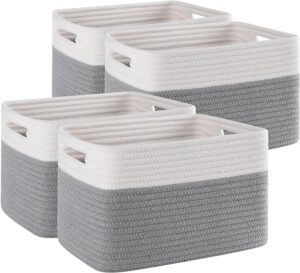
Think creatively about hidden storage. Ottomans and benches with lift-up tops are perfect for living rooms. Beds with deep drawers or under-bed storage bins maximize bedroom space. In kitchens, consider pull-out pantries and drawer organizers. For open shelving, use beautiful baskets, matching containers, and deliberate styling to keep essentials orderly. Vertical space is your ally—install tall, sleek cabinets that reach the ceiling, or use wall-mounted shelves for books and display objects. In entryways, a bench with shoe storage and hooks for coats can transform a pile of shoes into a welcoming vignette. By prioritizing organization as a core element of your home decor, you ensure your dream space remains a peaceful retreat, not a source of stress.
5. Use Lighting Strategically to Enhance Ambiance and Functionality
Lighting is arguably the most critical yet most overlooked element of interior design. It has the power to make a room feel large or cozy, lively or tranquil. A comprehensive dream home decor plan must include a strategic lighting approach that layers three types: ambient (general illumination), task (focused light for activities), and accent (highlighting art or architecture). Relying on a single overhead fixture is a common mistake that creates harsh shadows and a flat, uninviting atmosphere.
Begin with ambient lighting—recessed lights, chandeliers, or flush mounts—to provide overall illumination. Then, add task lighting where needed: reading lamps by chairs, under-cabinet lights in the kitchen, and vanity lights in the bathroom. Finally, use accent lighting to create drama and depth: track lights to spotlight a gallery wall, uplights to illuminate a beautiful plant, or LED strips behind a TV for a soft glow. Dimmers are a must-have; they allow you to adjust the mood from bright and energetic to soft and romantic with a simple switch. Also, consider the color temperature of your bulbs; warm white (2700K-3000K) creates a cozy, inviting feel, while cool white (4000K+) is better for task-oriented spaces. Proper lighting doesn’t just illuminate your home decor ideas; it elevates them.
6. Add Personal Touches Through Art and Memorabilia
A house becomes a home through the stories it tells. This is where personal touches come in—the art, photographs, and objects that speak to your journey, passions, and memories. Incorporating these elements is essential for making your dream home decor feel authentic and lived-in. Blank walls are missed opportunities, and shelves empty of personality feel like hotel lobbies. The key is to curate and display these items with intention, avoiding a haphazard, cluttered look.
Start with a gallery wall—a curated collection of frames in various sizes and styles. Mix family photos with purchased art, postcards, or even meaningful textile fragments. Use consistent framing or a unified color scheme for cohesion. Display collections (vintage cameras, ceramic mugs, seashells) by grouping them together on a shelf or in a cabinet, varying heights and orientations for visual interest. Don’t underestimate DIY art; a child’s drawing framed elegantly or a canvas you painted yourself adds irreplaceable sentiment. Place these personal items at eye level and in rooms where you’ll enjoy them daily. These decor ideas transform your space from a generic template into a narrative of your life, creating an emotional connection that no store-bought item can replicate.
7. Integrate Indoor Plants for a Fresh, Lively Atmosphere
Bringing nature indoors is a cornerstone of modern dream home decor ideas. Indoor plants do more than just add a pop of green; they purify the air, boost mood, reduce stress, and soften architectural lines. A well-placed plant can make a corner feel alive, a table feel complete, and a room feel connected to the outdoors. In fact, studies show that incorporating plants into interior spaces can increase productivity by up to 15% and significantly improve well-being. The key is choosing the right plants for your light conditions and styling them thoughtfully.
For low-light areas like hallways or north-facing rooms, opt for hardy varieties like snake plants, ZZ plants, or pothos. Bright, sunny spots can accommodate fiddle-leaf figs, monstera deliciosa, or citrus trees. Vary the scale: a large fiddle-leaf fig in a floor-standing pot makes a dramatic statement, while a collection of small succulents on a windowsill adds charm. Don’t just plop pots on the floor; use plant stands, hang them in macramé holders, or group them on a tiered stand to create a mini indoor jungle. Consider the pot as part of the decor—choose complementary materials like woven baskets, sleek ceramic, or textured concrete. This sustainable and biophilic approach to home styling breathes life and vitality into your dream space.
8. Choose Window Treatments That Balance Aesthetics and Practicality
Windows are the eyes of your home, and their dressings significantly impact both the decor and functionality. Window treatments must balance aesthetics with practical needs like light control, privacy, and insulation. The right choice can frame a beautiful view, make a room feel taller, or add a touch of luxury. Common options include curtains, drapes, blinds, shades, and shutters, each with distinct characteristics. A layered approach—such as a sheer curtain under a blackout shade—often provides the most versatility.
For a soft, elegant look, floor-length curtains in a luxurious fabric like linen or velvet are timeless. Ensure they hang from a rod placed well above the window frame to create an illusion of height. For modern, clean lines, consider Roman shades or sleek roller shades in neutral or patterned fabrics. In kitchens and bathrooms where moisture is an issue, faux wood blinds or moisture-resistant shades are practical. Don’t forget the hardware; decorative finials and rods can be an accent piece themselves. Always measure accurately and consider the stack-back—how much space the treatment takes when open—to avoid blocking light or views. Thoughtfully chosen window treatments are a non-negotiable element of polished dream home decor, tying your color scheme together while serving essential daily functions.
9. Update Hardware and Fixtures for a Quick, Impactful Refresh
If you’re seeking a high-impact, low-cost home decor update, look no further than your cabinet handles, faucets, door knobs, and light switches. These small details are the jewelry of your home; swapping them out is one of the easiest dream home decor ideas to execute. Outdated or generic hardware can drag down an otherwise beautiful space, while modern, cohesive fixtures can make a room feel freshly renovated. This is a project you can often complete in an afternoon with minimal tools.
Start by identifying a style—perhaps matte black for a modern industrial look, brushed brass for warm elegance, or oil-rubbed bronze for traditional charm. Ensure consistency throughout a space or even the entire home for a unified feel. In the kitchen, replace basic cabinet pulls with sleek bars or decorative knobs. In the bathroom, upgrade the faucet and showerhead to a design with clean lines. Even light switch plates can be replaced with more decorative versions. For renters, there are plenty of removable, adhesive-backed options that provide a similar effect without permanent changes. This affordable tweak demonstrates how small changes can yield significant results in your home styling journey, proving you don’t always need a major renovation to achieve a dream aesthetic.
10. Embrace Sustainable and Eco-Friendly Materials
The future of dream home decor is inherently tied to sustainability. More homeowners are seeking to reduce their environmental footprint by choosing eco-friendly materials and practices. This isn’t just a trend; it’s a responsible approach to creating a healthy home for both your family and the planet. Sustainable decor considers the entire lifecycle of a product—from sourcing and manufacturing to durability and end-of-life disposal. It often aligns with other desirable qualities like natural beauty, durability, and non-toxicity.
Look for furniture made from FSC-certified wood, bamboo, or reclaimed timber. Choose textiles certified by organizations like GOTS (Global Organic Textile Standard) for organic cotton and linen, or consider recycled polyester. Rugs made from natural fibers like jute, sisal, or wool are biodegradable and often produced with fewer chemicals. When shopping for accents, explore second-hand and vintage markets—giving old items a new life is the ultimate recycling. Additionally, opt for low-VOC (volatile organic compound) paints and finishes to improve indoor air quality. By mindfully selecting materials, you create a home decor narrative that speaks to values of conservation and wellness, making your dream home not only beautiful but also ethically and environmentally conscious.
Conclusion: Your Dream Home is a Journey, Not a Destination
Building your dream home is one of the most rewarding creative projects you’ll ever undertake. It’s a deeply personal expression of who you are and how you wish to live. As we’ve explored, the foundation lies in mastering core principles: establishing a color palette that sets the emotional tone, anchoring rooms with statement furniture, and adding soul through layered textures and personal art. It’s supported by the practical necessities of smart storage, strategic lighting, and functional window treatments, all while making choices that reflect a commitment to sustainability.
Remember, there is no single "right" way to decorate. Your version of dream home decor ideas will be unique to your tastes, budget, and lifestyle. Start with one room, one project, or even one of the ten strategies outlined here. Take that first step—whether it’s swapping out hardware, buying a plant, or painting a single accent wall. Your home should evolve with you, accumulating stories and layers over time. It’s not about achieving perfection overnight; it’s about cultivating a space that feels authentically yours, a true sanctuary that nurtures and inspires you every single day. Now, armed with these insights, go forth and create the home you’ve always dreamed of.