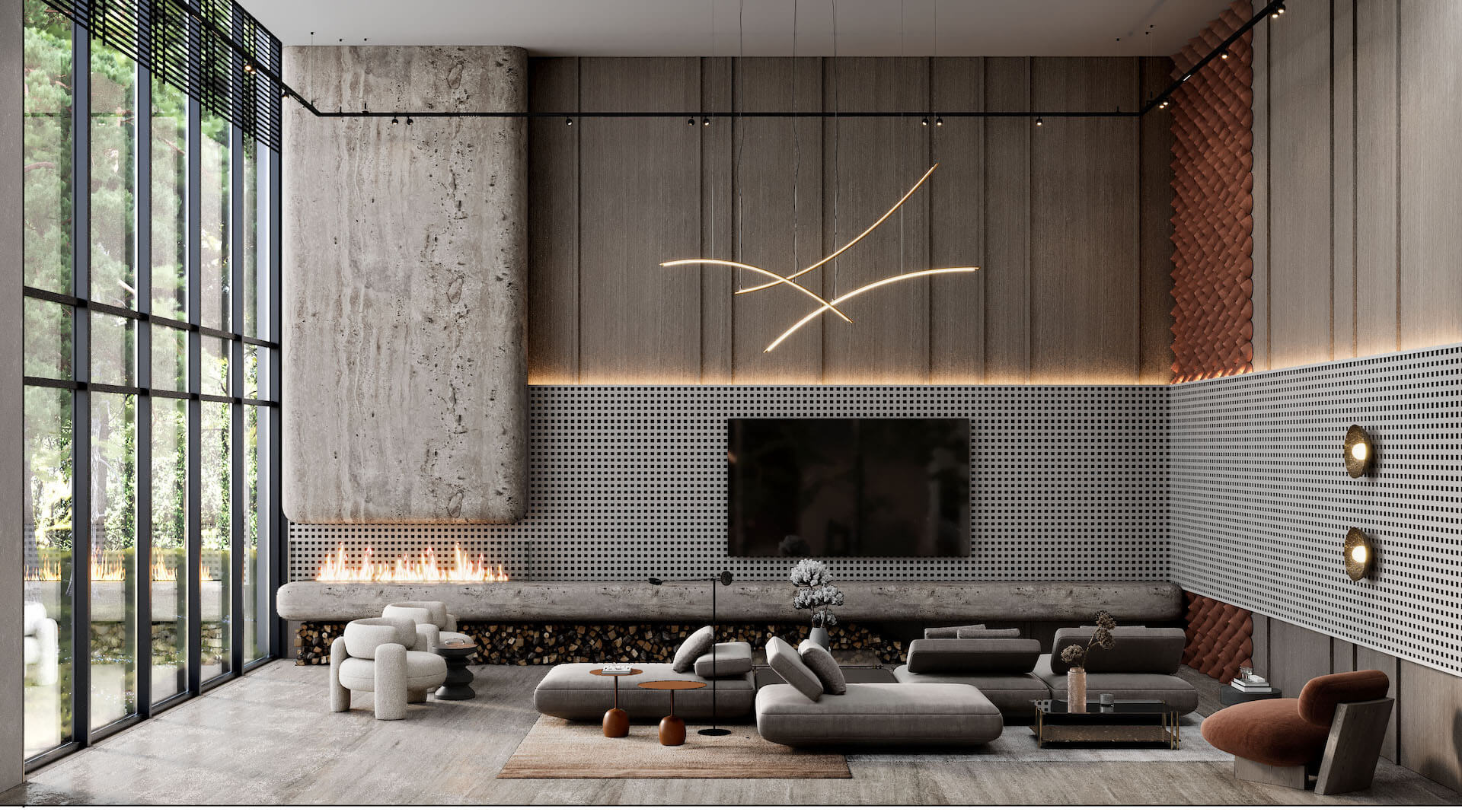
Dream House Design Inside And Out: How To Build Your Perfect Sanctuary?
Have you ever driven past a home and felt an instant pull, a sense that the people who live there must be truly happy? That magic isn't just luck; it’s the result of intentional dream house design inside and out. It’s the seamless conversation between a charming facade and a warm, inviting interior. But how do you create that harmony? What separates a mere house from a soul-nourishing home that looks beautiful from the street and feels perfect from the moment you step through the door?
Designing your dream home is one of the most personal and significant projects you’ll ever undertake. It’s about more than just aesthetics; it’s about crafting a space that supports your lifestyle, reflects your personality, and provides a sanctuary from the world. This journey requires balancing vision with practicality, artistry with engineering, and your dreams with the realities of budget and building codes. This comprehensive guide will walk you through every critical aspect, from the first sketch of the exterior to the final touch of interior decor, ensuring your home is a masterpiece of cohesive design.
The Foundation: Mastering Exterior Design for Lasting Impact
The exterior of your home is its handshake with the world. It sets the tone, creates the first impression, and must stand resilient against the elements for decades. A well-designed exterior considers architecture, materials, landscaping, and lighting as a single, unified composition.
Choosing Your Architectural Style: A Statement of Identity
Your home’s architectural style is its foundational language. Whether you’re drawn to the clean lines of Modern Farmhouse, the timeless elegance of Colonial Revival, the organic curves of Craftsman Bungalow, or the bold geometry of Contemporary design, this choice dictates everything from window proportions to roof pitch. It’s crucial to select a style that resonates with you personally but also respects the neighborhood context and local regulations. For instance, a sleek ultra-modern design might feel jarring in a historic district full of Victorians. Research is key—study homes you love, understand the key characteristics of each style (e.g., a Tudor’s half-timbering or a Mediterranean’s stucco walls), and work with an architect who specializes in your chosen aesthetic to ensure authenticity.
Material Selection: Beauty That Withstands the Test of Time
The materials you choose for your home’s skin are arguably its most important feature. They define its texture, color, and longevity. Brick offers classic durability and thermal mass; fiber cement siding provides versatile aesthetics with excellent rot resistance; natural stone adds unmatched prestige and permanence; and wood clapboard gives warm, traditional character (though it requires more maintenance). A powerful strategy is to limit your palette to three primary materials to avoid a disjointed look. For example, a home might use stone for the foundation and accents, fiber cement for the main siding, and warm cedar for trim and shutters. Always consider your climate—materials that perform brilliantly in Arizona’s sun may fail in the Pacific Northwest’s constant moisture.
The Power of Curb Appeal: Landscaping and Lighting
Curb appeal is the art of framing your architectural masterpiece. Landscaping should be an extension of your home’s style. A formal garden suits a Georgian home, while native, drought-tolerant plants enhance a modern or ranch-style design. Think in layers: foundation plantings to soften the base, shrubs for structure, and trees for scale and shade. Outdoor lighting is the nighttime curator. Strategic uplighting on architectural features, path lights for safety, and warm glow from covered porches create drama and extend the usability of your outdoor spaces after dark. According to the National Association of Realtors, good landscaping can increase a home’s value by up to 28% and significantly speed up its sale.
Bridging the Divide: Creating Seamless Indoor-Outdoor Flow
The hallmark of exceptional dream house design inside and out is the blurring of boundaries between interior and exterior spaces. This connection expands your living area, floods interiors with natural light, and fosters a constant connection to nature, a concept known as biophilic design.
Architectural Bridges: Windows, Doors, and Walls
The physical connections are paramount. Large sliding glass doors (think 12-foot panels) or folding glass wall systems can literally open a living room to a patio. French doors lead gracefully from a bedroom to a private balcony. Strategic window placement—picture windows, corner windows, and clerestories—frames views like living art and pulls sunlight deep into the home. Consider consistent flooring materials; running the same porcelain tile from the kitchen out to the patio creates an undeniable visual and physical link. The goal is to make the transition feel effortless, not like you’re entering a separate, “outside” area.
Functional Outdoor Rooms: Extending Your Living Space
Your exterior should be designed as a series of functional “rooms,” just like your interior. This includes:
- The Covered Porch or Terrace: An essential transitional space, perfect for morning coffee or evening cocktails, protected from sun and rain.
- The Outdoor Kitchen/Dining Area: For the entertainer, this becomes a second heart of the home, complete with grill, sink, and counter space.
- The Fire Pit or Lounge Area: A cozy gathering spot that extends the usability of your yard into cooler months.
- The Private Garden Nook: A small, secluded corner with a bench, ideal for reading or quiet contemplation.
Each of these spaces should be directly accessible from the relevant indoor room (e.g., outdoor kitchen off the main kitchen, lounge area off the family room).
The Heart of the Home: Interior Design That Breathes
Once inside, the design must feel both intentionally connected to the outside and perfectly curated for internal life. This is where flow, function, and feeling converge.
The Open-Concept Layout: Balancing Connection and Privacy
The modern open-concept plan—typically combining kitchen, dining, and living areas—is a staple for fostering family connection and entertaining. However, a successful open plan isn’t just one vast room. It uses furniture groupings, area rugs, changes in ceiling height, or partial walls (like a pony wall or a large opening) to define zones without sacrificing sight lines. It’s also critical to design for acoustic separation from bedrooms and studies. Pocket doors or cleverly placed storage buffers can provide needed privacy when the open area is bustling.
The Kitchen: The True Center of the Home
In most dream homes, the kitchen is the busiest room. Its design must be a masterpiece of ergonomic efficiency (the work triangle of sink, stove, fridge) and social hospitality. An island with seating is non-negotiable for most, serving as a casual dining spot, homework station, and conversation hub. Ample, well-lit counter space and deep, organized storage (pull-out pantries, drawer organizers) are the unsung heroes of a joyful kitchen. The finishes here—quartz countertops, a statement backsplash, quality cabinet hardware—set the tone for the entire home’s interior aesthetic.
Bedrooms and Baths: Sanctuaries of Restoration
Primary suites should be a private retreat. Think beyond just a bed and bath. Incorporate a sitting area, dual walk-in closets organized with custom systems, and a spa-like bathroom with a freestanding soaking tub, a large walk-in shower with multiple showerheads, and separate water closet for privacy. Guest bedrooms should feel equally thoughtful, with ample storage and good natural light. Children’s rooms should be designed for adaptability, with neutral walls and flexible furniture that grows with them.
Material Cohesion: The Thread That Ties It All Together
The most sophisticated dream homes achieve a cohesive material narrative that flows from the exterior path to the interior hearth. This doesn’t mean using the same materials everywhere, but rather creating a dialogue between them.
A Unified Material Palette
Start by selecting three to five core materials that will appear in both your interior and exterior. For example:
- Exterior: Cedar siding, stone veneer, black aluminum windows.
- Interior: Reclaimed wood flooring (echoing the cedar), a stone fireplace (echoing the veneer), matte black hardware and lighting (echoing the window frames).
This repetition creates an unconscious sense of unity and purpose. The transition zone—the mudroom, entry foyer, or kitchen that looks out to the backyard—is the most critical place to execute this material handoff flawlessly.
The Role of Texture and Finish
Beyond the material itself, consider texture and finish. A rough-sawn beam on the exterior porch ceiling can be echoed by a rough-textured plaster wall in the living room. A smooth, honed limestone patio can be complemented by a honed marble countertop in the bathroom. These subtle tactile connections enrich the sensory experience of your home.
Future-Proofing and Sustainability: Building for Tomorrow
A true dream house is built not just for today, but for the future. This means designing for aging in place, integrating smart home technology, and prioritizing sustainability.
Universal Design and Smart Tech
Universal Design principles make homes accessible and comfortable for all ages and abilities. This includes zero-step entries, wide hallways (minimum 36 inches), lever-style door handles, and walk-in showers with benches. These features are increasingly sought-after and add long-term value. Simultaneously, integrated smart home systems for security, climate control, lighting, and entertainment should be planned during construction, with proper wiring and infrastructure. Think zoned HVAC, EV charging stations in the garage, and whole-home water filtration.
Sustainable Building: A Moral and Financial Imperative
Sustainable design is no longer a niche; it’s a standard for responsible building. Key strategies include:
- Superior Insulation and Air Sealing: The foundation of energy efficiency. Aim for walls rated R-20+ and attics R-40+.
- High-Performance Windows: Double or triple-pane, low-E coatings, and gas fills drastically reduce heat gain/loss.
- Efficient Systems: geothermal heating/cooling, heat pump water heaters, and ENERGY STAR appliances.
- Responsible Materials: FSC-certified wood, recycled-content materials, and low-VOC paints and finishes.
According to the U.S. Department of Energy, a home built to ENERGY STAR standards uses 30% less energy than a typical new home, leading to substantial long-term savings.
Room-by-Room Harmony: Ensuring Cohesion Throughout
Finally, we must ensure every room, from the grand foyer to the smallest powder room, feels like part of the same story.
- The Entry: This is your home’s handshake. It should preview the interior’s material palette and style. A stunning light fixture, a beautiful floor (often a different, durable material from the rest of the house), and immediate sightlines into a key living space create a welcoming, connected feel.
- The Great Room: This is where the indoor-outdoor connection must be most powerful. The arrangement of sofas should face both the fireplace and the view/glass doors. The ceiling material (e.g., beadboard or shiplap) can extend from inside to the covered porch ceiling.
- The Bathroom: Treat it as a miniature spa. Use the same stone on the shower floor as the exterior patio. Replicate a window shape from the exterior in the shower’s translucent glass block. These details create profound, if subtle, unity.
Conclusion: Your Dream Home, A Holistic Masterpiece
Designing your dream house inside and out is the ultimate exercise in holistic thinking. It’s the understanding that the warm glow of a living room lamp should complement the soft wash of landscape lighting on the facade. It’s knowing that the stone on your fireplace hearth should feel like a natural extension of the stone cladding on your front porch pillars. It’s the deliberate choice of a front door color that echoes a throw pillow on your sofa.
This journey requires patience, a clear vision, and a collaborative team of architects, designers, and builders who understand that a home is not a collection of separate parts, but a single, living organism. By starting with a strong, authentic exterior style, weaving in seamless indoor-outdoor transitions, selecting a cohesive material narrative, and planning for a sustainable, functional future, you do more than build a house. You craft a personal sanctuary—a place of profound beauty, unwavering comfort, and perfect harmony that will inspire and nurture you for a lifetime. Your dream home, perfectly designed inside and out, awaits.