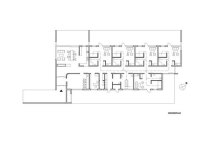
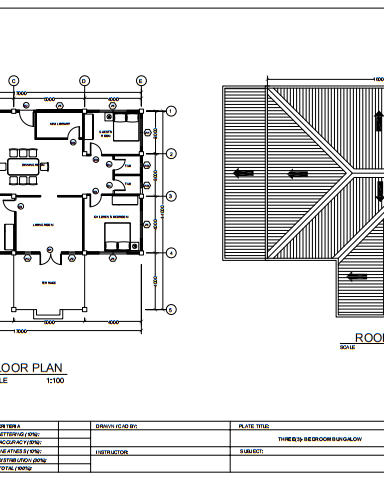
Dream House Floor Plan Easy: Your Step-by-Step Blueprint To Reality
Have you ever found yourself scrolling through endless home design photos, pinning your favorite kitchens and living rooms, only to feel completely overwhelmed when you try to picture it all fitting together? The dream of a perfect, custom-built home often collides with the daunting reality of floor plan design. What if you could cut through the complexity, the architect fees, and the confusing jargon? What if creating your dream house floor plan could actually be… easy?
This guide is your definitive roadmap. We’re dismantling the myth that home design is only for professionals with expensive software. You don’t need a degree in architecture to craft a functional, beautiful, and personalized space. By following a structured, step-by-step approach, leveraging modern tools, and focusing on what truly matters to you, the dream house floor plan easy you’ve imagined is not just possible—it’s within your reach. Let’s transform that Pinterest board into a buildable, liveable blueprint.
1. Start with a Crystal-Clear Vision: Define Your Lifestyle, Not Just Your Square Footage
Before you even open a single software program or sketch a line, the most critical step is internal. An easy dream house floor plan begins with a rock-solid understanding of how you live. This is the foundation; everything else is built upon it. Many people start by listing rooms (“I need a master suite, a kitchen, three bedrooms”), but this is a recipe for a generic, disconnected space. Instead, you must think in terms of lifestyle patterns and daily rituals.
Begin with a “life audit.” How do you and your family actually spend your time? Do you work from home and require a quiet, dedicated office with excellent natural light? Are you passionate cooks who need a kitchen designed for entertaining, with an open line of sight to the living area and easy access to the backyard? Do you have young children whose play area needs to be visible from the kitchen while you prep meals? Perhaps you love hosting large gatherings, which demands a flexible great room or a seamless indoor-outdoor flow. Write it all down. Don’t worry about room names yet; focus on activities: “Morning coffee on a sunny nook,” “Homework zone with minimal distractions,” “Game nights with friends in a cozy, separate den.”
Next, identify your non-negotiables—the features that are absolute must-haves for your happiness. This could be a walk-in pantry, a mudroom to contain sports gear and muddy boots, a primary suite on the main floor for aging-in-place, or a dedicated laundry room near the bedrooms. These are your pillars. Simultaneously, list your “nice-to-haves” and be prepared to compromise on these later. This clarity of vision is what separates a frustrating, disjointed design process from a streamlined, easy one. You are no longer guessing; you are designing with purpose.
Turning Vision into a Brief: The Project Statement
Condense your life audit and non-negotiables into a one-page Project Statement. This becomes your north star. For example:
“Our dream home must facilitate connection (open kitchen/living/dining), support remote work (two quiet, light-filled offices), and embrace outdoor living (covered patio accessible from kitchen and master suite). Must-haves: mudroom, walk-in pantry, primary suite on main. Nice-to-haves: formal dining room, separate teen hangout.”
This document is your reference point for every decision, ensuring your floor plan stays true to your core needs, making the entire process infinitely more easy and focused.
2. Leverage the Power of Modern Technology: Your Digital Design Toolkit
Gone are the days when drafting a floor plan meant graph paper, a ruler, and a lot of eraser dust. The digital revolution has democratized home design, making it profoundly easy for anyone to create professional-looking layouts. The key is choosing the right tool for your skill level and needs.
For Absolute Beginners & Quick Sketchers: Start with intuitive, free online floor plan creators like Floorplanner, RoomSketcher, or Planner 5D. These platforms offer drag-and-drop interfaces with pre-built walls, doors, windows, and a vast library of furniture and fixtures. You can sketch your ideas in 2D and instantly view them in 3D. This is perfect for experimenting with basic room shapes and sizes without any learning curve. The easy drag-and-drop functionality allows you to see spatial relationships form in real-time.
For the Serious DIY Designer: Move to more powerful, yet still accessible, software like SketchUp Free or Sweet Home 3D. These tools offer greater control over wall dimensions, custom shapes, and detailed interiors. SketchUp is exceptional for understanding volume and massing, while Sweet Home 3D is fantastic for interior layout and furniture arrangement. Both have free versions robust enough for a complete dream house floor plan. YouTube tutorials for these tools are plentiful, meaning you can learn as you go.
For the Ultimate in Realism & Collaboration: Consider a subscription to Chief Architect Home Designer or Cedreo. These are professional-grade tools simplified for homeowners. They include extensive object libraries, terrain modeling, and incredibly realistic rendering capabilities. Some platforms even offer “easy” AI-assisted features where you can describe a room and generate layout options.
Crucially, many of these tools offer free trials. Dedicate a weekend to playing with 2-3 different ones. Find the interface that feels intuitive to you. The most powerful tool is useless if you find it frustrating. The goal is to use technology to empower your vision, not create a new barrier. This digital toolkit is your primary engine for making the dream house floor plan easy and visual.
The Magic of 3D Visualization: Walk Through Your Future Home
Don’t get stuck in 2D blueprints. The true power of modern software is real-time 3D walkthroughs. As you adjust a wall or place a sofa, switch to the 3D view. Does the space feel cramped or spacious? Is the natural light where you need it? Does the flow from the entryway to the living area feel welcoming or awkward? This immediate feedback loop is invaluable. It transforms abstract lines on a screen into an experience. You can virtually stand in your future kitchen and check sightlines to the backyard or assess the coziness of a proposed reading nook. This experiential design process is a game-changer for confidence and clarity.
3. Master the Art of Flow and Function: The Secret to a Home That Feels Right
A beautiful floor plan that doesn’t function well is a failed plan. The secret to a home that feels harmonious and easy to live in is mastering circulation—the paths people take as they move through the house. This is where many DIY plans fall short, creating awkward traffic jams or dead-end corridors.
Principle 1: The Public/Private Divide. Clearly separate “public” zones (living room, dining room, kitchen, family room) from “private” zones (bedrooms, bathrooms, studies). This creates a natural buffer. Guests should be able to move through the public areas without needing to pass by bedroom doors. A well-placed hallway or a strategic use of the great room as a buffer achieves this effortlessly.
Principle 2: The Work Triangle (and Beyond). In the kitchen, the classic work triangle (sink, stove, refrigerator) remains gold standard for efficiency. But expand this thinking. Where is your mudroom in relation to the garage and kitchen? Can you drop groceries directly into the pantry without trekking through the living room? Where is the laundry room relative to the bedrooms? Mapping these key activity loops prevents future frustration. Place high-use, utilitarian spaces (laundry, mudroom, pantry) in logical, supporting positions to the main living areas.
Principle 3: Create Natural Vistas and Focal Points. A great floor plan guides the eye and creates a sense of discovery. Position a beautiful window or a fireplace as a focal point visible from the entryway. Design hallways that are wider at the ends, creating a “picture frame” effect for what lies beyond. Avoid long, dark, tunnel-like corridors. Instead, use borrowed light—placing a window at the end of a hall or using an open stairwell to let light filter through. These subtle techniques make a home feel larger, brighter, and more thoughtfully composed, contributing massively to an easy and pleasant daily experience.
Zoning for Modern Life: The Home Hub
Today’s home often needs a “home hub” or “command center.” This is a dedicated zone near the main entrance or kitchen that manages the household’s logistics. It might combine a mudroom with seating, a drop zone for mail and keys, a small desk for a laptop, and charging stations. Integrating this into your floor plan early on prevents the dreaded pile of backpacks and shoes in the living room. Think of it as the home’s circulatory system’s control room—a small investment in space that pays off in daily sanity.
4. Prioritize Your Must-Have Features: Smart Space Allocation
With your vision and flow principles in mind, it’s time for the space allocation math. This is where your Project Statement’s non-negotiables become real square footage. Be ruthless and realistic.
Start by assigning square footage to your absolute must-haves first. If a walk-in pantry is non-negotiable, research standard sizes (a comfortable walk-in pantry is often 5’x8’ minimum, but 6’x10’ is ideal). If a home office is critical, ensure it’s large enough for a desk, chair, and storage (minimum 10’x10’). Use online resources to find typical room sizes. A master bedroom with a sitting area and large walk-in closet will consume more space than a simple bedroom and bath combo.
The 80/20 Rule of Space: A powerful guideline is to allocate roughly 80% of your square footage to your core, daily living needs (bedrooms, bathrooms, kitchen, living areas) and 20% to “flex” or “bonus” space (formal dining, playroom, guest room, gym). This prevents over-building and keeps your budget and focus aligned with reality. That formal dining room you like but only use twice a year might be better designed as a flexible space that can double as a homework station or craft area.
Don’t forget circulation space! Hallways, stair landings, and the space around furniture (you need at least 24-30” for comfortable passage) eat up 15-25% of your total square footage. A common beginner mistake is to design rooms perfectly but then have narrow, claustrophobic hallways. In your software, actually “walk” the paths and ensure they feel generous.
Room-by-Room Priority Checklist
Create a simple table or list for each major room type:
| Room Type | Minimum Sq. Ft. (Ideal) | Must-Have Features | Deal-Breakers |
|---|---|---|---|
| Master Bedroom | 12x14 (14x16+) | Bed for king, two nightstands, dresser, seating area | No window, no closet space |
| Kitchen | 150+ sq ft | Island with seating, walk-in pantry, double sink | No counter space adjacent to stove/sink |
| Living/Family Room | 200+ sq ft | Flexible seating for family, TV wall, access to outdoor | No natural light, awkward shape |
| Home Office | 10x10 | Desk space, storage, window for light | No door (if private), no outlets |
This exercise forces concrete decisions and makes the abstract concept of “space” tangible and easy to manage.
5. Think Long-Term: Flexibility and Future-Proofing Your Design
Your dream house floor plan isn’t just for today; it’s an investment in your future. An easy plan to live in for decades is one that can adapt. Future-proofing is a hallmark of smart, sustainable design.
First, consider life stage transitions. Do you plan to have children? Ensure you have enough bedrooms and that the master suite isn’t isolated from the other bedrooms for nighttime checks. Thinking about aging in place? This is the single most important reason to consider a single-floor livingfloor plan or, at minimum, placing the primary bedroom and full bath on the main floor. Stairs become a major hazard later in life. Even if you build a two-story, design the first floor to be fully functional as a self-contained suite (bedroom, full bath, small kitchenette, laundry) for potential future use by a parent, in-law, or yourself.
Second, build in flex spaces. Instead of a dedicated “guest bedroom” that sits empty 350 days a year, design a den or study with a sofa bed or Murphy bed. A flex room off the living area can be a playroom, a gym, a music room, or a quiet retreat. Use flexible walls—consider if a wall between a dining room and living room could be a sliding barn door or a pocket door, allowing the spaces to combine for large parties or separate for intimate dinners.
Third, think about technical and systems access. Ensure your floor plan allows for easy access to plumbing walls (for future bathroom remodels), HVAC systems, and electrical panels. Don’t tuck the main electrical panel in a far-flung garage corner if you might need to access it frequently. Place utility spaces (mechanical room, laundry) in locations that won’t disrupt living spaces if they need maintenance.
By asking “How will this space be used in 10, 20, or 30 years?” you create a floor plan that grows with you, saving immense cost and hassle down the road. This long-term thinking is a cornerstone of an easy homeownership journey.
6. Know When to Call in the Pros: Strategic Collaboration for Perfection
While designing your own dream house floor plan can be incredibly rewarding and easy with the right tools, there is a point where professional input becomes invaluable. Knowing when and how to collaborate is key to avoiding costly mistakes.
The Golden Rule: Never Build From an Un-Engineered Plan. This is non-negotiable. Your beautiful, easy-to-create digital layout is an idea. To turn it into a set of construction documents, it must be reviewed and stamped by a licensed architect or structural engineer. They ensure your load-bearing walls are correctly placed, your roof design is sound for your climate and span, your foundation design matches your soil type, and your plan meets all local building codes (e.g., egress window sizes for bedrooms, stair riser heights, header sizing). Skipping this step is a gamble with your safety and your investment. The cost of this review is a tiny fraction of your total build cost and provides immense peace of mind.
When to Hire an Architect or Designer Full-Scale:
- You have a very complex site (steep slope, unique views).
- Your design is highly custom or unconventional.
- You want a truly unique, architectural statement.
- Your local municipality has a complicated approval process.
- You simply want the expertise of a professional to optimize every detail.
The Hybrid, Cost-Effective Approach: This is often the best path for an easy dream house floor plan. You do the vision work, the initial sketching, and the space planning using the tools and methods described above. You create a “design development” package—your best 2D floor plans, elevations, and 3D views. Then, you hire an architect or residential designer for a limited scope: to take your package, engineer it for structure and code, produce the final construction drawings, and navigate the permit process. This gives you control over the creative vision and saves significant money compared to a full-service commission, while still ensuring safety and compliance. It’s the ultimate partnership for an easy and successful build.
What to Expect from a Professional
When you engage a pro, they will review your plans for:
- Structural Integrity: Are walls sized correctly? Is the roof truss design adequate?
- Code Compliance: Do bedroom windows meet egress requirements? Are stairways to code?
- Energy Efficiency: Can insulation and HVAC systems be optimized?
- Constructability: Is this design easy and cost-effective to build, or are there awkward details?
- Material & Finish Selections: They can guide you on what’s standard, what’s costly, and what works well together.
This final layer of professional scrutiny transforms your dream into a buildable reality, ensuring the “easy” part extends all the way through to moving day.
7. Budget with Your Floor Plan in Mind: The Cost-Per-Square-Foot Reality
An easy dream house floor plan is also a realistic one, and realism starts with the budget. Your floor plan is the single biggest driver of your construction cost. Every added square foot, every extra window, every bumped-out roofline adds expense. Designing with cost-awareness from the start prevents heartbreak later.
Understand Your Cost Per Square Foot (PSF). This is your most important metric. Research the average cost to build a home in your specific geographic area. This number varies wildly—from $150 PSF in some rural areas to $400+ PSF in high-cost urban or coastal markets. This PSF is an average that includes land, permits, fees, and the house itself. Get quotes from local builders for a rough estimate. Let’s say your research shows $250 PSF in your area for a mid-range custom home. A 2,000 sq ft home would have a construction cost of ~$500,000 (plus land, fees, etc.).
Now, Analyze Your Plan’s Cost Drivers:
- Simple Shape = Lower Cost: A rectangular or square floor plan is the cheapest to build. Every corner, bump-out, or complex roofline (multiple gables, hips, valleys) adds significant labor and material costs. Aim for a simple, efficient footprint.
- Two Stories vs. One: A two-story home is often less expensive per square foot than a single-story home of the same size because you have one roof and one foundation to cover double the living space. However, it may have higher stair-building costs and different layout implications.
- Windows & Doors: These are major cost items. Standard-sized vinyl windows are affordable. Large picture windows, custom shapes, high-end materials (wood, fiberglass), and numerous openings add up fast.
- Foundation Type: A simple slab is cheapest. A full basement adds significant cost but provides invaluable space. A crawl space is a middle ground.
- Interior Finishes: Your floor plan dictates finish quantities. A large open-concept great room requires more flooring, more paint, and more lighting than several smaller, closed-off rooms.
Actionable Budgeting Tip: As you design, keep a running tally of your estimated square footage and multiply it by your local PSF. If your dream 3,500 sq ft plan at $250 PSF = $875,000+, but your budget is $600,000, you must immediately start making decisions: reduce square footage, simplify the shape, choose more standard finishes, or adjust your location/land purchase budget. This financial feedback loop is essential for an easy and stress-free building process.
8. The Final Polish: From Paper to Place with Detailed Visualization
You have your easy dream house floor plan—the walls are placed, the rooms are sized. Now, it’s time for the final, most exciting polish: detailed interior visualization. This is where the abstract plan becomes a home you can emotionally connect with. This step solidifies your decisions and catches any last-minute spatial issues.
Go back into your 3D design software and populate every single room with to-scale furniture, fixtures, and finishes. Don’t just drop in generic blocks; use the software’s library or import models that match your actual preferred style (e.g., a specific sectional sofa, a farmhouse sink, a particular light fixture). This is crucial for scale and proportion.
- Test Clearances: Can you open the refrigerator door fully without hitting the counter? Is there enough space to walk behind the dining chairs when someone is seated? Is the nightstand on the right side of the bed within easy reach? These are the details that make a home feel easy or frustrating.
- Check Sightlines: Stand in the foyer. What do you see? A beautiful view to the backyard? A cozy fireplace? Or a cluttered view of the stair risers and a bathroom door? Adjust your plan to create intentional, pleasing views from key entry points.
- Lighting & Electrical: Now, plan your lighting. Where will recessed cans go? Where do you need task lighting (over the sink, above the desk)? Where will outlets and switches be placed? A common mistake is placing an outlet behind where a bed or sofa will go. Use your 3D model to walk through and mark these locations directly on your 2D plan.
- Material & Color Palette: Apply virtual paint colors, flooring types (hardwood vs. tile), and countertop materials to your 3D model. Does the dark hardwood in the living room flow into the light tile of the kitchen? Does the quartz countertop color clash with your chosen cabinet paint? This virtual staging prevents expensive material mistakes.
Create a “Finish Schedule”—a simple spreadsheet listing every room, its wall color, floor material, ceiling type, and key fixture styles. This document, paired with your final floor plan, is your complete package for builders and vendors. It translates your vision into executable instructions, making the final build phase smooth and easy.
Conclusion: Your Easy Path to the Dream is Built on Smart Steps
Creating your dream house floor plan easy is not about taking shortcuts; it’s about following a smarter, more strategic path. It begins with the deep, personal work of understanding your lifestyle and defining your non-negotiables. It’s empowered by the incredible, accessible floor plan design software available today, which lets you experiment and visualize with unprecedented ease. It’s guided by the timeless principles of flow, function, and smart space allocation that make a house a home.
Remember to future-proof for the life you’ll lead tomorrow, collaborate with professionals at the right stage to ensure safety and code compliance, and design with a keen eye on your budget from the very first line drawn. Finally, immerse yourself in the detailed 3D visualization to catch every nuance before a single nail is driven.
The journey from a vague dream to a set of buildable plans is now more easy and within your control than ever before. You are not just designing walls and a roof; you are crafting the backdrop for your future memories, your daily routines, and your family’s growth. Start with that clarifying question—how do we truly live?—and let the answer guide your pen (or your cursor). Your easy dream house floor plan awaits. Now, it’s time to start drawing.