Dream House Model Design: Your Blueprint To The Perfect Home
Have you ever found yourself daydreaming about the perfect home? That one-of-a-kind sanctuary where every corner reflects your personality, every space flows effortlessly, and every detail feels just right? You're not alone. For many, the concept of a dream house model design is more than a fleeting fantasy—it's a tangible goal. But how do you transform that ethereal vision into a buildable, beautiful reality? The answer lies in the powerful world of architectural modeling. A dream house model design is the critical bridge between imagination and construction, serving as a detailed, three-dimensional roadmap that captures your vision, solves spatial puzzles, and ensures your future home is both stunning and functional before a single foundation is poured. This comprehensive guide will walk you through every facet of creating your ideal home model, from foundational styles to cutting-edge tech, budgeting secrets, and pitfalls to avoid.
Understanding the Foundation: What is a Dream House Model Design?
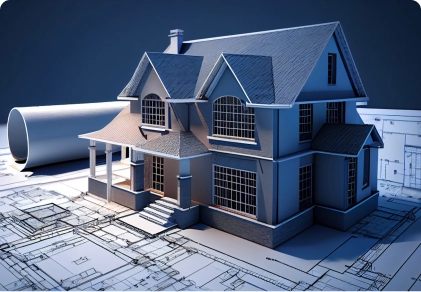
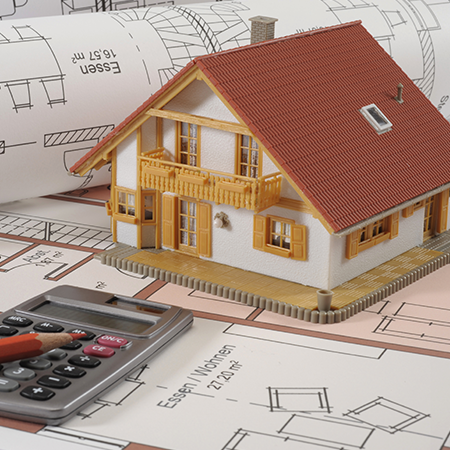
At its core, a dream house model design is a scaled, three-dimensional representation of your proposed home. It moves far beyond flat, two-dimensional blueprints. While traditional plans show measurements and layouts from above, a true model—whether physical or digital—allows you to walk through spaces, see relationships between rooms, understand volumes, and visualize materials and light. It’s the ultimate communication tool between you, your architect, and your builder, ensuring everyone is literally and figuratively on the same page.
The Evolution from Sketches to Digital Realms
The journey of home modeling has transformed dramatically. What once began with hand-drawn sketches and cardboard maquettes has evolved into sophisticated 3D architectural modeling software like SketchUp, Revit, and Chief Architect. These digital tools allow for photorealistic renderings, virtual reality (VR) walkthroughs, and even real-time modifications. You can change a roofline, swap flooring materials, or adjust window placements with a few clicks, seeing the immediate impact. This evolution has democratized design, making high-quality visualization accessible and allowing for unprecedented experimentation in the dream house model design phase.
Why Models Are Non-Negotiable in Modern Design
Why invest in a detailed model? The statistics speak for themselves. According to industry reports, projects with comprehensive 3D modeling experience up to 30% fewer change orders during construction, which directly translates to cost savings and less stress. A model eliminates ambiguity. It answers critical questions: Does the master suite feel spacious? Is the kitchen workflow efficient? How does the morning light hit the breakfast nook? It exposes potential issues—like awkward hallway turns or furniture that won't fit—long before they become expensive mistakes. Ultimately, a dream house model design is your most powerful tool for confidence, ensuring the built home matches the dream.
Architectural Styles: The Soul of Your Dream House Model Design
Your chosen architectural style sets the entire tone for your dream house model design. It influences everything from the roofline and window shapes to interior finishes and curb appeal. Let's explore some enduring styles that inspire timeless models.
Modern Minimalism: Less is More
Modern minimalist design champions clean lines, open floor plans, and a "less is more" philosophy. In a dream house model design, this translates to flat or low-sloped roofs, large expanses of glass (often floor-to-ceiling), and a seamless integration between indoors and outdoors. The model will highlight uncluttered spaces, monochromatic or neutral color palettes, and a focus on the intrinsic beauty of materials like polished concrete, steel, and natural wood. The goal is to create a serene, light-filled sanctuary that feels both spacious and intentionally sparse. Think iconic architects like Mies van der Rohe; his principle of "skin and bones" architecture is a perfect inspiration for this style's model.
Traditional Elegance: Timeless Charm
Traditional styles—whether Colonial, Victorian, Craftsman, or Mediterranean—offer a sense of history, warmth, and familiar comfort. A dream house model design in this vein will feature more complex rooflines with gables and dormers, symmetrical facades, and defined, separate rooms (as opposed to complete open plans). Details like crown molding, wainscoting, built-in cabinetry, and classic columned porches become key focal points in the model. The challenge is to balance ornate details with modern livability. A skilled designer will incorporate these classic elements while ensuring the layout meets contemporary needs for open family areas and flexible spaces.
Eclectic Fusion: Your Unique Signature
For many, the true dream house model design is a personal collage—an eclectic fusion that borrows the best from multiple styles. This could mean a modern farmhouse (clean lines with a rustic, board-and-batten exterior), a contemporary cottage (modern forms with charming, cottage-scale details), or a mountain modern home (rustic materials like stone and timber with sleek, contemporary silhouettes). The model becomes the laboratory where these influences are tested for harmony. The key is to establish a cohesive narrative. Your model should tell a unified story, even if it's drawing from diverse architectural chapters. This approach allows for immense personalization, making your home truly one-of-a-kind.
The Role of Technology: Where Innovation Meets Imagination
Technology is the engine driving the precision and possibility of today's dream house model design. It transforms abstract ideas into immersive experiences and provides tools for smarter, more efficient homes.
3D Modeling and Virtual Reality: Step Inside Before You Build
This is the game-changer. Advanced 3D modeling software doesn't just create static images; it builds interactive environments. With a VR headset, you can "walk" through your future home, check sightlines from the entryway to the backyard, and experience spatial relationships firsthand. You can stand in your proposed kitchen and see if the island is the right size or if the pantry is conveniently located. This immersive experience is invaluable for making confident decisions. Furthermore, these models generate incredibly accurate material takeoffs and cost estimates, reducing waste and helping to lock in budgets early. For a dream house model design, this technology is no longer a luxury; it's a fundamental component of risk mitigation.
Smart Home Integration: Designing for the Future
A modern dream house model design must be future-proofed for technology. This means planning for integrated smart home systems from the structural phase. The model should indicate where wiring conduits, network hubs, and sensor locations will go. Consider zoning for HVAC, dedicated circuits for home theaters or EV chargers, and robust Wi-Fi coverage plans. Will you have motorized shades controlled by a central app? A whole-house audio system? Security cameras integrated into the facade? Designing these systems into the model ensures they are seamlessly incorporated, with no ugly wires or retrofits. It’s about building intelligence into the very bones of the home.
Sustainable and Eco-Friendly Design Principles: Building Responsibly
The contemporary dream house model design is increasingly synonymous with sustainable home design. Building green is not just an ethical choice; it's a financially savvy one that creates healthier, more efficient, and often more beautiful homes.
Energy-Efficient Materials and Systems
The model is the place to strategize for maximum energy efficiency. This includes specifying high-performance insulation (like spray foam or structural insulated panels), energy-efficient windows (double or triple-glazed with low-E coatings), and strategic passive solar design—orienting the home on the model to maximize winter sun gain and minimize summer heat. The roof model should accommodate solar panels, and the HVAC system should be sized precisely for the home's calculated thermal envelope. Incorporating thermal mass materials like concrete floors or stone walls can help regulate indoor temperatures naturally. Every material choice in the model should be evaluated for its R-value, U-factor, and long-term payback period.
Water Conservation and Site Harmony
True sustainability extends to water and site integration. In your dream house model design, plan for rainwater harvesting systems with visible cisterns or hidden underground tanks. Model in drought-tolerant, native landscaping (xeriscaping) to reduce irrigation needs. Consider permeable paving for driveways and patios to manage stormwater runoff. The model should also show how the home sits on the land—preserving mature trees, minimizing cut-and-fill, and designing to work with the natural topography rather than against it. This "site-sensitive" modeling reduces environmental impact and creates a home that feels like it belongs.
Personalizing Your Space: From Concept to Reality
A dream house model design achieves its purpose when it reflects you. This is where lifestyle, hobbies, and family dynamics dictate the floor plan and features.
Lifestyle-Driven Layouts
Forget generic floor plans. Your model must be a direct translation of your daily life. Do you work from home? The model needs a dedicated, quiet home office with excellent light and soundproofing. Are you an avid cook? The kitchen model should prioritize a professional-grade layout (think work triangle, ample counter space, and specialized zones) and perhaps an adjacent butler's pantry. Do you have young children or aging parents? The model should incorporate universal design principles—wider doorways, a main-floor bedroom/bath, and step-less entries—for safety and longevity. List your top 10 daily activities and ensure the model's flow accommodates each one seamlessly. A great designer will ask probing questions about your routines to inform the spatial choreography.
Custom Features and Finishes: The Devil is in the Details
This is where the dream house model design truly becomes personal. The model is the place to specify those "wow" elements: a two-story great room with a dramatic fireplace, a hidden bookcase door leading to a private study, a walk-in wardrobe with custom organizational systems, or a outdoor kitchen with a pizza oven. Finishes are also mapped here—exact species of hardwood flooring, tile layouts, countertop edge profiles, and hardware styles. Creating a detailed finish schedule within your model documentation ensures no detail is left to chance. It also helps in accurate costing, as these custom elements are often the biggest budget variables.
Budgeting and Planning: Making Dreams Affordable and Achievable
A breathtaking dream house model design is only as good as its feasibility. Smart budgeting and phasing are what turn a vision into a keys-in-hand reality.
Phased Construction Approaches
If your ideal model exceeds your current budget, don't abandon it. A sophisticated dream house model design can be created with phased construction in mind. The model and plans should clearly distinguish between Phase 1 (the essential, habitable core: foundation, shell, kitchen, baths, essential bedrooms) and Phase 2 (the "dream" additions: finished basement, home gym, guest wing, elaborate landscaping). This approach allows you to build and move in now, adding luxury elements as finances allow. The model must be designed so these future phases integrate structurally and aesthetically without looking like afterthoughts. This requires foresight from your architect to ensure utilities and foundations are sized for future expansion.
Cost-Saving Design Strategies
Even within a single-phase build, the model is a tool for cost control. Certain design choices have a huge impact on budget:
- Simpler Roof Designs: Complex, multi-gabled roofs are significantly more expensive than simple gable or hip roofs. The model should evaluate roof complexity versus aesthetic desire.
- Standardized Dimensions: Designing rooms and features to fit standard material sizes (e.g., 4x8 ft sheathing, 12-ft lumber lengths) reduces waste and labor costs.
- Strategic Material Splurging: The model helps you decide where to invest (e.g., high-quality kitchen appliances, a statement front door) and where to save (e.g., using laminate in a laundry room, standard-grade lumber for framing).
- Building Up vs. Out: A two-story home has a smaller footprint, meaning less foundation and roofing cost per square foot. The model can clearly show these volumetric and cost comparisons.
Common Pitfalls and How to Avoid Them in Your Dream House Model Design
Even with the best intentions, projects can derail. Being aware of common pitfalls in the modeling phase can save immense heartache.
Over-Designing vs. Practical Livability
The siren call of stunning magazine spreads can lead to a dream house model design that is beautiful but impractical. An enormous, sunken living room with a soaring ceiling may be dramatic, but it's a heating and cooling nightmare and creates an echo chamber. A kitchen with a massive island might look great but eat up all the prep and circulation space. The antidote is constant, honest evaluation: "How will this space be used daily?" Your model should be critiqued not just for aesthetics, but for function, maintenance, and energy use. Involve your entire household in the model review process to catch these issues early.
Ignoring Future Needs and Resale Value
While your home should be personal, it's wise to consider the future. A dream house model design that is wildly idiosyncratic or removes all bedrooms to create a single, massive studio may hurt resale value down the line. The model should balance your unique desires with universal appeal. This doesn't mean compromising your vision, but perhaps designing a flexible space (like a den) that could easily become a nursery or home office later. It also means considering aging-in-place features subtly—a ground-floor full bath, a zero-step entry—that will be valuable to you or future buyers. A model that thinks in decades, not just years, is a smarter investment.
Conclusion: Your Vision, Realized
The journey to your dream house model design is one of the most exciting creative endeavors you'll ever undertake. It’s a process that blends art, science, psychology, and pragmatism. From selecting the architectural style that speaks to your soul, to harnessing technology for immersive visualization, to embedding sustainability and personalization into every line, the model is your command center. It empowers you to make informed decisions, control costs, and communicate with precision. Remember, the goal is not a perfect, static picture, but a dynamic, adaptable plan for a home that will nurture your life for years to come. Start with clear self-reflection on your needs and wants, partner with the right design professionals who value the modeling phase, and embrace the iterative process of refinement. Your dream house isn't just a fantasy—with a thoughtful, detailed model as your guide, it's a buildable, beautiful future waiting to be realized. Begin designing that model today, and take the first, most concrete step toward the home you've always imagined.