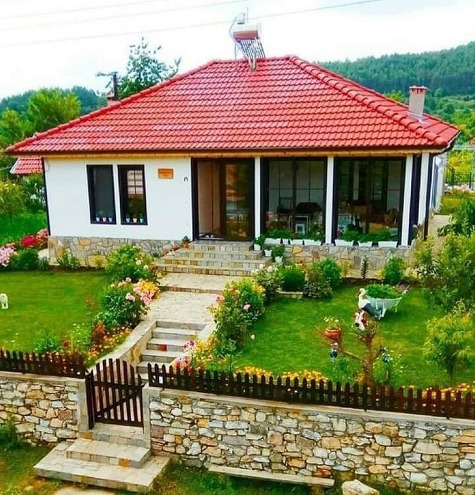
Village Front House Design Ideas: Transform Your Home’s First Impression
Ever wondered how a simple front house design can transform your village home from a simple dwelling into a captivating landmark? The facade of your home is its handshake to the world, especially in a village setting where community pride and aesthetic harmony are deeply valued. A well-considered front design doesn’t just boost your curb appeal; it enhances property value, reflects your personality, and contributes to the picturesque character of rural life. In this comprehensive guide, we’ll explore innovative and timeless front house design ideas in village contexts, blending practicality with charm to help you create a welcoming and stunning entrance that feels perfectly at home in its natural surroundings.
1. Embrace the Landscape: Design That Blends with Nature
The most successful village home designs don’t fight the landscape; they become a part of it. Unlike urban settings, village homes are often nestled within fields, forests, or rolling hills. Your front design should acknowledge this context.
Use Local, Natural Materials
The foundation of harmonious village design is material authenticity. Instead of importing sleek modern finishes, look to the earth itself. Natural stone quarried locally for foundations or accent walls, rough-hewn timber for beams and porches, and clay or lime-based renders for walls create a texture and color palette that has evolved naturally in the region. For example, a home in a Himalayan village might use slate roofing and stone walls, while one in a Mediterranean village could feature whitewashed adobe and terracotta tiles. This approach, often called vernacular architecture, ensures your home looks like it belongs, not like an import.
Integrate Native Plantings
Your front yard is a transition zone between the built and natural worlds. Landscaping with native plants is critical. Native species are adapted to the local climate and soil, requiring less water, fertilizer, and maintenance. They also support local pollinators and wildlife. Think of wildflower meadows in temperate zones, drought-resistant succulents in arid villages, or lush ferns and hostas in shadier, wetter climates. Avoid high-maintenance, non-native lawns that feel out of place and drain resources. Instead, design planting beds that mimic local ecosystems—a patch of native grasses here, a cluster of berry-producing shrubs there.
Respect the Topography
Village plots are rarely flat. Work with the land’s slope. A home on a hill can have a terraced garden leading to the front door, with retaining walls made from local stone. A home in a dip can use a rain garden to manage runoff while creating a beautiful, water-wise feature. The path to your door should follow the natural gradient, using steps or gentle switchbacks made of materials that match the house. This creates a sense of discovery and integration, making the journey to your front door part of the scenic experience.
2. Master the Art of the Village Porch & Entryway
The entryway is the soul of your home’s front facade. In village life, porches are multi-functional spaces—a place to greet neighbors, watch the world go by, and shed muddy boots. Designing this area right is essential.
Scale and Proportion Matter
A porch should feel generous but not overwhelming. In a modest cottage, a deep, full-width porch with simple timber posts and a gabled roof is perfect. For a larger farmhouse, a wraparound porch with elegant columns and a balustrade creates a grand yet inviting feel. The key is proportion. The porch should be at least 6-8 feet deep to accommodate seating. The height of the porch roof relative to the main house wall should feel balanced—too low feels cramped, too high feels disconnected. A classic rule is that the porch roof eave should align with the main house’s window headers or floor level.
Functional and Inviting Details
- Seating: Incorporate built-in benches or swings. This isn’t just decor; it’s an invitation to sit and connect.
- Storage: Consider a mudroom nook or built-in cabinets for shoes, coats, and gardening tools. This keeps clutter out of sight.
- Lighting: A village-style lantern or carriage light beside the door is both functional and charming. Choose fixtures with a matte black, bronze, or galvanized finish for durability and rustic appeal.
- Flooring: Porch floors must withstand weather. Opt for wide-plank decking (treated pine, cedar, or composite that mimics wood), brick pavers, or flagstone. Ensure it has a slight slope for drainage.
The Door: The Jewel in the Crown
Your front door is a focal point. For a village home, consider:
- Material: Solid wood (oak, pine, mahogany) with a protective finish is traditional. For a more modern twist, a steel door with a wood veneer offers security and style.
- Color: Bold, welcoming colors like barn red, forest green, deep blue, or mustard yellow are classic in villages worldwide. They stand out beautifully against natural materials. Alternatively, a natural wood stain or a classic white can feel more subdued.
- Hardware: Don’t skimp on hinges, handles, and knockers. A substantial black iron or brass handle set and a decorative door knocker add instant character and heft.
3. Strategic Roofing and Siding Choices
The roof and walls form the canvas of your front design. In a village, durability and weather-appropriateness are paramount.
Roofing: Form Follows Function (and Region)
The roof pitch and material are often dictated by local climate—steep pitches for snow, flatter for rain—but they are a major style driver.
- Materials:Asphalt shingles are common and cost-effective but can look generic. For authentic village charm, consider:
- Wood Shakes/Shingles: Rustic and beautiful, though they require maintenance and fire treatment in dry areas.
- Clay or Concrete Tiles: Ideal for warmer, drier climates, offering a distinct Mediterranean or Southwestern vibe.
- Slate: The premium choice for longevity and elegance, perfect for historic or high-end village homes.
- Metal Roofing: Modern metal panels (in colors like charcoal, bronze, or green) can surprisingly complement modern-rural designs and are extremely durable.
- Color: Earth tones (browns, greys, greens) blend best. A bright red tile roof can be a stunning focal point in a green landscape.
Siding: Texture and Color Palette
Move beyond vinyl siding. Village homes thrive on texture.
- Board and Batten: Vertical boards with narrow battens create a tall, elegant look common in rural American and European styles.
- Clapboard or Lap Siding: Horizontal planks offer a classic, timeless feel. The reveal (the visible part of each plank) can be varied for different eras—narrow for Victorian, wide for modern farmhouse.
- Stone or Brick Veneer: Use as a base floor or for entire accent walls. It grounds the home and adds immense visual weight and character.
- Stucco or Render: A smooth or lightly textured finish, often in white or cream, is perfect for warmer climates and creates a clean, monolithic look.
- Color: Draw from the natural environment. Think greens, browns, creams, greys, and whites. A single bold accent color on trim, shutters, or a single wall section can add personality without overwhelming the scene.
4. Windows: The Eyes of the Home
Windows bring light and life to your facade. Their style, placement, and treatment are crucial.
Style and Placement
- Double-Hung Windows: The classic American style, with two sashes that slide vertically. Very versatile.
- Casement Windows: Hinged on the side and cranked open. Offer excellent ventilation and a clean, uncluttered look when closed.
- Fixed/Picture Windows: Large, non-opening panes that frame a view. Perfect for a living room overlooking a garden or vista.
- Arrangement: Group windows in pairs or trios. Align them horizontally with other elements like the door or roof ridge. Avoid random placement. For a true village feel, windows should look like they were placed for the light inside, not just for exterior symmetry.
Window Treatments and Trim
- Shutters:Functional louvered shutters (that actually close) add immense depth and historical authenticity. Ensure they are sized correctly to look like they could cover the window. Board-and-batten shutters offer a more rustic, cottage feel.
- Trim: The casing around the window is an opportunity for detail. A simple, wide fluted casing or a bracketed sill adds craftsmanship. Paint trim in a contrasting color (often white or cream) to make windows pop against colored siding.
- Window Boxes: A must for village charm. Use cedar or redwood for longevity. Fill them with trailing flowers like petunias, ivy geraniums, or sweet potato vine for a soft, cascading effect.
5. Lighting: Extend Your Home’s Welcome into the Night
Thoughtful exterior lighting transforms your home after dark and is a critical safety feature. It should be both beautiful and functional.
Layer Your Lighting
- Ambient/Path Lighting: Low-voltage path lights or bollard lights along the walkway. Use warm-white LEDs (2700K-3000K) for a soft glow. Space them evenly.
- Accent Lighting:Spotlights or well lights to highlight architectural features like a beautiful tree, a stone wall, or the texture of your siding. Use sparingly to create drama.
- Task Lighting: A bright, shielded fixture by the front door for safe entry. A lantern-style fixture is ideal.
- Festive/Seasonal: String lights on the porch or in trees for holidays, but keep them neat and professional-looking year-round.
Fixture Style
Choose fixtures that match your home’s architecture. A colonial-style home might have black cast-aluminum lanterns. A modern farmhouse could use simple, cylindrical black sconces. A cottage might have a cute, curved-roof pendant. Avoid generic, big-box store fixtures. Invest in quality, durable materials like solid brass, bronze, or powder-coated aluminum that will develop a patina and last for years.
6. Incorporate Cultural and Personal Signature Elements
What makes a village home feel special is often a touch of personal or regional culture. This is where you tell your story.
Folk Art and Craftsmanship
Integrate local artisanal touches. This could be:
- A hand-carved wooden sign with your family name.
- Wrought-iron work for a gate, porch railing, or mailbox.
- Mosaic tile on a step or planter box using local patterns.
- A small shrine or statue with cultural or spiritual significance, placed respectfully.
- Hand-painted flower designs on the porch ceiling or on furniture.
Functional Decor
- A beautiful, functional bench by the door, perhaps with storage underneath.
- A wicker or metal basket for mail and newspapers.
- A rustic watering can or pair of galvanized buckets filled with herbs or flowers.
- A vintage bicycle or wheelbarrow as a quirky garden accent.
The Village Mailbox
Don’t neglect the mailbox! It’s often seen daily. Upgrade to a curb-side box in a durable, classic style (like the traditional rural aluminum box) or a wall-mounted box with a planter on top. Paint it to match your trim color.
7. Prioritize Sustainable and Low-Maintenance Practices
Village living often aligns with a more self-sufficient, land-connected lifestyle. Your front design should reflect that.
Water-Wise Design
- Rainwater Harvesting: Install a rain barrel at the downspout, perhaps disguised with a decorative cover or integrated into a planter. Use the water for your native garden.
- Permeable Surfaces: For driveways or paths, use gravel, permeable pavers, or grasscrete to allow water to infiltrate the soil, reducing runoff and erosion.
- Drought-Tolerant Plants: Xeriscaping with native, water-wise plants is the ultimate low-maintenance, eco-friendly choice.
Durable, Sustainable Materials
- Reclaimed Wood: For porch ceilings, accent walls, or furniture. It has unmatched character and is environmentally responsible.
- Fiber-Cement Siding: Looks like wood but is impervious to rot, insects, and fire. A fantastic low-maintenance option.
- Local Stone: The ultimate sustainable material—it’s already there, requires no manufacturing transport, and lasts centuries.
Smart Design for Easy Upkeep
- Roof Overhangs: Adequate overhangs (12-18 inches) protect walls and windows from rain, reducing wear.
- Grading: Ensure the ground slopes away from your house foundation to prevent water intrusion.
- Accessible Design: Place faucets and electrical outlets in convenient, hidden spots for holiday lights and gardening.
8. Address Practical Village-Specific Considerations
Village life comes with unique practicalities your design must accommodate.
Snow and Ice Management
In colder climates:
- Roof Pitch: A steeper roof (6/12 or higher) sheds snow better.
- Gutter Placement: Position gutters and downspouts to direct meltwater away from walkways. Consider heated gutter cables.
- Walkway Materials: Avoid slick stone or smooth concrete. Brick with a textured surface, stamped concrete, or gravel with a firm base provide better traction. Install handrails on steps if there’s a grade.
- Storage: Build in a covered, ventilated space for shovels, ice melt, and snow blowers.
Wildlife Encounters
- Fencing: A low, decorative fence (picket, split-rail, or stone wall) can define your space without creating a barrier. Ensure it’s high enough to deter deer if you have a garden.
- Lighting: Use motion-sensor lights with a warm, non-glaring bulb to avoid disturbing nocturnal animals and neighbors.
- Plant Selection: Avoid plants that are highly attractive to deer if they are a nuisance in your area.
Utility and Service Access
- Meter and Panel Placement: Work with your utility company to place electric meters, gas meters, and HVAC units in the most discreet location possible—on the side or rear of the house, or behind a lattice screen or evergreen hedge.
- Trash and Recycling: Design a screened enclosure for bins that is easy to access on collection day but hidden from the main view.
9. Budget-Friendly Ideas with Big Impact
You don’t need a massive budget to make a significant improvement. Focus on high-impact, lower-cost changes.
The Power of Paint
One of the most cost-effective transformations is a fresh coat of paint on:
- The front door (a bold color).
- Trim, shutters, and window casings (a crisp white or contrasting color).
- Porch ceilings (a soft blue is a classic "sky" trick that feels fresh).
- Siding, if you choose a new color scheme.
DIY Landscaping and Hardscaping
- Define Edges: Install simple plastic or metal edging between lawn and garden beds. It instantly looks tidy.
- Mulch: Apply a fresh layer of bark mulch to all planting beds. It suppresses weeds, retains moisture, and looks finished.
- Build Simple Planters: Use timber, cinder blocks, or even large galvanized tubs to create elevated planting areas.
- Divide and Share: Ask gardening neighbors if you can divide perennials like hostas or daylilies. It’s free and builds community.
Upgrade Hardware and Lighting
Swapping out old, generic door handles, house numbers, and porch lights for more substantial, stylish versions is an inexpensive way to elevate your entire facade. Ensure house numbers are large, clear, and well-lit for emergency visibility.
Focus on the Path
A well-defined, clean path to the door makes the entire front yard feel intentional. Even a simple gravel path with stone or timber edging is a huge upgrade over a dirt trail.
10. The Importance of Cohesion and Community Character
Finally, the most successful village front designs understand their context within the community.
Study Your Village’s Architectural DNA
Walk around your village. What are the common threads? Is it clapboard siding with white trim? Stone foundations with timber porches? Whitewashed walls with blue shutters? Identify the local vernacular—the shared architectural language—and design within it. This doesn’t mean your home must be a copy, but it should be a respectful conversation with its neighbors. A wildly modern glass facade in a village of 200-year-old farmhouses will feel jarring, no matter how beautiful it is in isolation.
Maintain Sight Lines and Scale
Avoid designs that block views of neighbors or dominate the streetscape. Keep fences low, rooflines in scale with the street, and landscaping from becoming overgrown and obstructive. Good village design considers the collective view.
Foster a Sense of Place
Incorporate elements that speak to your village’s specific history or geography. If you’re in a farming village, incorporate a small silo-inspired element or a barn-style door on a garage. If you’re near a river, use river rock in landscaping. These subtle nods create a powerful sense of belonging and storytelling.
Conclusion: Your Village Home, Your Masterpiece
Designing the front of your village home is more than a cosmetic project; it’s an act of stewardship and expression. It’s about creating a space that welcomes you home, respects the land, honors local traditions, and sparks joy every time you pull into the driveway. By embracing natural materials, crafting a functional porch, choosing appropriate roofing and siding, and layering in personal and cultural touches, you can achieve a front house design that is both uniquely yours and perfectly at peace in its village setting. Start with a clear plan, prioritize durability and local character, and remember that even small, thoughtful changes can create a ripple effect of beauty throughout your community. Your home’s first impression is its lasting legacy—make it a warm, wonderful, and welcoming one.