Dream Home Wood Decor: Transform Your Space With Timeless Elegance
Have you ever walked into a space and felt instantly embraced by its warmth, as if the walls themselves were offering a gentle, grounding hug? That profound sense of comfort and belonging is the magic of dream home wood decor. It’s more than just a design trend; it’s the soulful foundation of a space that feels authentically yours. In a world of fleeting fads and cold, minimalist interiors, wood connects us to nature, history, and craftsmanship, creating environments that are not only beautiful but deeply restorative. This guide will journey through the essential principles, practical applications, and inspiring ideas to help you weave the enduring beauty of wood into every corner of your dream home.
The Soul of a Home: Why Wood Decor Creates Unbeatable Warmth
At its core, the pursuit of a dream home is a search for a sanctuary—a place that reflects personal identity and provides profound comfort. Wood decor is uniquely qualified to fulfill this role. Unlike synthetic materials, wood is a living, breathing material that changes subtly with time and light, adding a dynamic, organic element to static rooms. Its natural grains, knots, and color variations tell a story of growth and resilience, ensuring no two pieces are ever exactly alike. This inherent uniqueness makes a space feel curated and personal rather than mass-produced.
The psychological impact of incorporating natural elements like wood into our living spaces is well-documented. Studies in environmental psychology, such as those cited by Human-Nature Design, show that exposure to natural materials reduces stress, lowers heart rate, and improves cognitive function. A living room with a solid wood coffee table or a cedar closet in the bedroom leverages this biophilic effect, promoting a sense of calm and well-being that is essential for a true dream home. It bridges the gap between the built environment and the natural world, a crucial connection in our increasingly digital lives.
Furthermore, wood possesses an unparalleled tactile quality. The smooth, cool feel of a polished oak floor underfoot, the rich, textured surface of a hand-carved teak chair, or the warm, slightly rough grain of a reclaimed barn wood wall—these sensory experiences anchor us in the physical present. This sensory engagement creates a deeper emotional bond with our surroundings, transforming a house into a lived-in, loved home. When selecting wood pieces, consider not just their visual appeal but their feel; the most cherished items in a dream home wood decor scheme are often those we interact with daily.
Choosing the Right Wood Species for Your Dream Home’s Personality
The first step in your wood decor journey is selecting species that align with your desired ambiance. Each type of wood carries its own personality, color palette, and durability profile.
- Oak: A classic, sturdy choice available in red (warmer, pinkish tones) and white (lighter, golden-yellow with a subtle grain). Its prominent grain pattern adds rustic or traditional character. Perfect for hardwood flooring and heavy-use furniture like dining tables.
- Walnut: Renowned for its rich, dark chocolate to purple-brown hues and straight, elegant grain. It exudes sophistication and luxury, ideal for statement furniture pieces, wall paneling, and modern wood decor accents.
- Maple: Light in color (creamy white to light reddish-brown) with a fine, subtle grain. It takes stains beautifully and is extremely hard-wearing, making it a top choice for kitchen cabinets, butcher blocks, and contemporary furniture.
- Cherry: Known for its warm, reddish-brown color that deepens beautifully with age and light exposure. Its fine, straight grain lends an air of timeless elegance, perfect for traditional or transitional dream home furniture.
- Reclaimed Wood: Sourced from old barns, factories, or river bottoms, this wood carries unmatched history and character. Its weathered patina, nail holes, and saw marks tell a unique story, making it a centerpiece for rustic wood decor, feature walls, and one-of-a-kind tables.
- Bamboo: Technically a grass, bamboo is an incredibly fast-growing, sustainable resource. It has a light, distinctive grain and is very hard, suitable for flooring and modern, sleek furniture. It represents a forward-thinking, eco-conscious choice in wood home decor.
Your selection should consider room function (e.g., harder woods for high-traffic areas), existing color schemes, and the overall mood you wish to cultivate. A dream home often mixes 2-3 complementary wood tones to create depth and visual interest without chaos.
Sustainable Style: The Eco-Conscious Heart of Modern Wood Decor
The concept of a dream home in the 21st century is intrinsically linked to responsibility. Homeowners increasingly seek beauty that doesn’t cost the Earth, and sustainable wood decor is a cornerstone of this ethos. Choosing wood responsibly means ensuring that for every tree harvested, forest health is maintained or improved. Look for certifications from organizations like the Forest Stewardship Council (FSC) or the Sustainable Forestry Initiative (SFI). These labels guarantee the wood comes from forests managed with strict environmental and social standards.
The benefits extend beyond the forest. Sustainable wood, particularly when sourced locally, has a lower carbon footprint compared to imported hardwoods or synthetic alternatives. It also supports ethical labor practices and indigenous communities. Incorporating reclaimed wood is the ultimate in sustainability, giving a second life to materials that would otherwise be landfill waste. A reclaimed oak beam used as a mantelpiece or salvaged walnut used for a bedroom headboard carries a green pedigree that is both tangible and inspiring.
Moreover, wood is a long-lasting material. A well-crafted solid wood furniture piece can last generations, becoming an heirloom. This contrasts sharply with fast furniture made from particleboard and plastics, which often ends up in landfills within a few years. Investing in quality, sustainable wood home decor is an investment in both your home’s future and the planet’s. It aligns your personal sanctuary with a broader vision of stewardship, making your dream home a statement of values as much as aesthetics.
From Rustic to Modern: The Incredible Versatility of Wood in Home Design
One of the most compelling arguments for wood decor is its chameleon-like ability to adapt to any design style. It is the great unifier, the common thread that can tie disparate styles together into a cohesive whole.
For Rustic & Farmhouse Styles: Think raw, unfinished edges, heavy beams, and weathered finishes. Barn wood paneling, a massive pine trestle table, and mason jar sconces on a reclaimed wood plank are quintessential. The goal is to celebrate the material’s imperfections and create a cozy, lived-in feel. Waxes and oils are often used instead of high-gloss polyurethane to maintain a natural, tactile surface.
For Traditional & Classic Homes: Here, wood is polished and refined. Think cherry wood cabinetry with elegant raised panels, mahogany library shelves, and walnut inlaid floors. The grains are often highlighted with stains and glossy finishes, and profiles are more detailed and ornate. This style uses wood to convey permanence, luxury, and timeless grace.
For Modern & Minimalist Spaces: Clean lines, smooth surfaces, and a focus on the wood’s natural figure define this approach. Light maple or ash flooring, a slab of live-edge walnut as a console table, and teak wall cladding with a matte oil finish. The wood is often left with minimal stain or a natural oil to let its true color and grain shine. The focus is on simplicity, quality, and the inherent beauty of the material itself, avoiding ornamentation.
For Scandinavian & Japandi Styles: These styles blend warmth with minimalism. Light-toned woods like oak and beech dominate, creating airy, bright spaces. Furniture is functional, with clean lines and a focus on craftsmanship. A light oak bed frame, birch wood stools, and pine shelving units create a serene, hygge-inspired atmosphere that is both modern and incredibly welcoming.
The key to successfully mixing wood tones is to create a hierarchy. Typically, floors and large architectural elements (beams, paneling) should be one dominant tone. Large furniture (sofas, beds, dining tables) can provide a secondary tone. Accent pieces (side tables, chairs, frames) can introduce a third, complementary tone. Sticking to a color family (all warm tones or all cool tones) ensures harmony.
Crafting Your Dream: Accessible DIY Wood Decor Projects
You don’t need a professional workshop to incorporate the beauty of wood into your dream home. DIY projects offer a rewarding way to create custom, meaningful pieces that perfectly fit your space and style. Starting with simple projects builds confidence and skills.
Beginner-Friendly Ideas:
- Floating Shelves: A few pieces of pine or oak board, some brackets, and a finish (paint, stain, or oil) can create stunning, functional shelves for books, plants, or displays. This is a perfect first project that has a high visual impact.
- Wooden Wall Art: Cut geometric shapes from plywood, sand the edges, and paint or stain them in a cohesive palette. Arrange them in a pattern on the wall for a modern, sculptural effect. Alternatively, stain a single, beautiful slab of cedar and mount it as a minimalist statement piece.
- Custom Picture Frames: Using a simple mitre box and a saw, you can create frames from trim molding in wood species that match your furniture. This ties your entire gallery wall together with a unifying material.
Intermediate Projects:
- Live-Edge Side Table: Source a live-edge slab from a local sawmill or lumberyard. Clean it up, sand it smooth, and apply a durable oil finish. Attach simple hairpin legs or a custom base for a stunning, organic statement piece that feels like a work of art.
- Headboard Construction: Build a simple shiplap or plank headboard from reclaimed barn wood or new white pine. You can create a classic shiplap look, a rustic plank wall, or even a padded, fabric-upholstered headboard with a wooden frame. This single piece dramatically transforms a bedroom.
- Wooden Plant Stands: Create tiered stands for your indoor jungle using cedar or redwood (naturally rot-resistant). Simple cuts and screws can result in a beautiful, functional home for your plants.
Essential DIY Tips: Always wear safety gear (goggles, mask). Start with pre-cut, sanded wood from a home center for your first projects. Invest in a good orbital sander—it’s a game-changer for achieving a smooth finish. For food-safe surfaces (like a kitchen island top or cutting board), use food-grade mineral oil or beeswax. Remember, the goal of dream home wood decor is the character and satisfaction of a handmade piece, not perfection.
The Art of Balance: Mixing Wood with Other Textures and Materials
A room built entirely from one type of wood can feel heavy and monotonous. The secret to a sophisticated dream home interior is layering. Wood provides a warm, solid foundation, but it needs the contrast and interplay of other materials to truly sing.
Wood + Metal: This is a classic, dynamic pairing. The warm, organic softness of wood contrasted with the cool, industrial strength of metal creates visual tension and modern energy. Think a black steel coffee table frame supporting a walnut top, brass drawer pulls on a cherry dresser, or iron legs on a light oak dining table. Wrought iron, brushed nickel, blackened steel, and polished brass each bring a different mood.
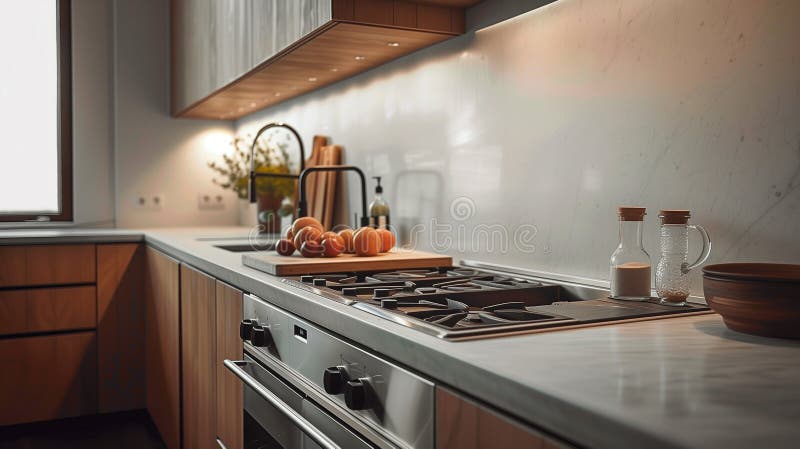
Wood + Stone & Concrete: Pairing wood with natural stone (marble, travertine, slate) or polished concrete grounds a space with elemental strength. A marble countertop on a walnut kitchen island, a concrete floor with a large oak dining table, or a slate fireplace surround with a cedar mantel create a beautiful, earthy, and robust combination. The stone/concrete provides a cool, solid base, while the wood adds warmth and softness.
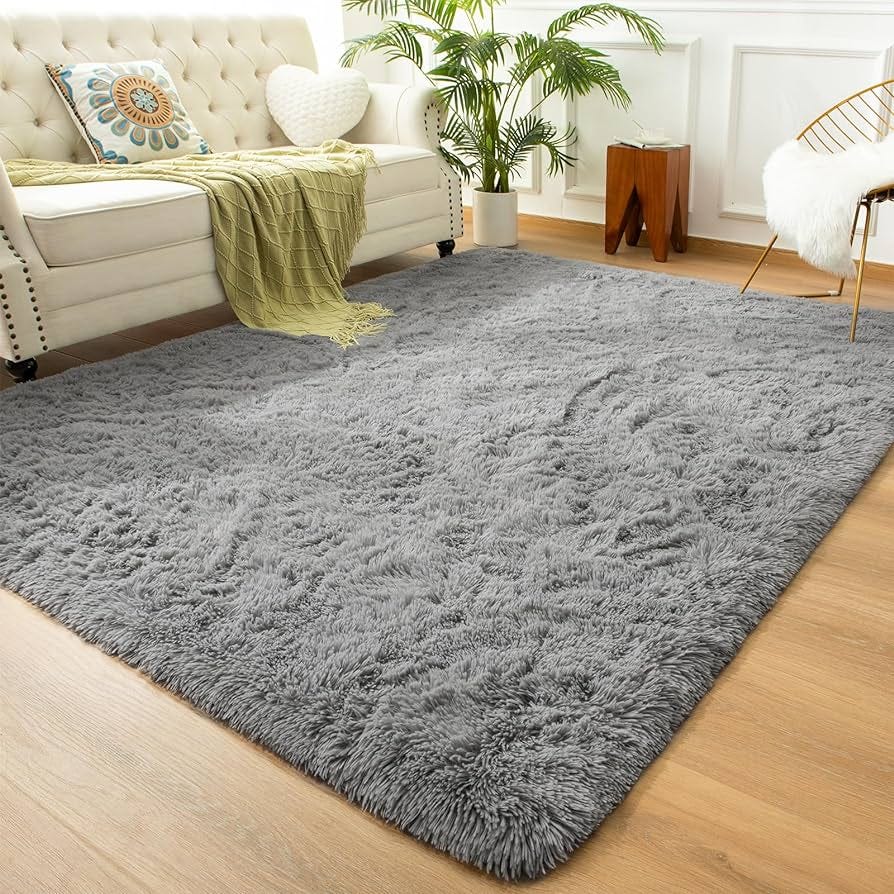
Wood + Textiles: This is where comfort and coziness come in. The hard surfaces of wood furniture are softened immensely by the drape of linen curtains, the pile of a wool rug, the texture of a knit throw, or the plushness of a velvet sofa. A dark wood armchair looks inviting when paired with a cream-colored sheepskin throw and a jute rug. These soft elements absorb sound and invite touch, making a wood-decorated room feel like a true sanctuary.
Wood + Glass: Glass lightens the visual weight of wood and adds reflectivity and airiness. A glass-topped coffee table with a teak base, glass-fronted cabinets with oak frames, or mirrors set in carved wooden frames prevent a room from feeling too dense. This combination is excellent for smaller spaces or rooms with limited natural light.
The rule of thumb is to aim for a triad of textures in a room. For example, a living room might have: 1) Wood (floor, sofa frame, shelves), 2) Textile (rug, curtains, sofa cushion), 3) Metal/Stone (lamp base, coffee table top, fireplace). This creates a rich, layered, and complete sensory experience.
Illuminating the Beauty: Strategic Lighting for Wood Decor
How you light your wood decor dramatically affects how its color, grain, and texture are perceived. The wrong lighting can make beautiful wood look dull, orange, or splotchy. The goal is to enhance wood’s natural warmth and depth.
Color Temperature is Key: Light bulbs are measured in Kelvin (K). For wood, you generally want warm white light between 2700K and 3000K. This soft, yellowish-white light mimics sunset and candlelight, enriching the warm undertones in oak, cherry, and walnut. Avoid cool white or daylight bulbs (5000K+), which can make wood look faded, ashy, or yellowed and create a clinical atmosphere unsuitable for a dream home.
Layered Lighting: Don’t rely on a single overhead fixture. Create a lighting scheme with three layers:
- Ambient: The general, overall illumination (recessed downlights, a central chandelier). Use dimmers here to control mood.
- Task: Focused light for activities (reading lamps over a leather armchair, under-cabinet lights in a wood-paneled kitchen).
- Accent: Dramatic lighting that highlights features. Use adjustable track lights or spotlights to graze a reclaimed wood feature wall, making its texture and grain pop. A picture light over a wooden art piece does the same.
Direction Matters: Light that grazes a surface (hitting it at a low angle) is best for revealing texture. Use wall washers or angled spotlights on wood walls or textured furniture. Light that shines directly down (like a pendant over a table) is good for illuminating the surface but can flatten the appearance of wood grain if not supplemented with other sources.
Natural Light: Position your prized wood furniture to take advantage of natural daylight, which is the best light for seeing true wood color. However, be mindful of direct sunlight, which can cause fading and drying. Use sheer curtains or UV-filtering window films to protect your investment in wood furniture and decor over time.
Preserving the Legacy: Care and Maintenance for Lifelong Wood Beauty
Your dream home wood decor is an investment meant to last a lifetime and beyond. Proper care ensures it ages gracefully, developing a beautiful patina rather than showing neglect.
Daily/Weekly Care: The primary enemy of wood is dust, which acts as an abrasive. Dust regularly with a soft, dry microfiber cloth. For routine cleaning, use a cloth slightly dampened with water, then immediately dry. Never leave standing water on any wood surface. For furniture with a polyurethane or other film finish, you can occasionally use a mild soap solution, but always test in an inconspicuous area first.
Deep Cleaning & Polishing: For oiled or waxed finishes (common on cutting boards, some furniture, and many reclaimed wood pieces), use a dedicated furniture oil (like mineral oil, tung oil, or a commercial product like Howard Products) every few months. Apply with a soft cloth, let it soak in, and buff to a soft sheen. This nourishes the wood and enhances its depth. Avoid silicone-based polishes; they create a waxy buildup that can attract dust and make future refinishing difficult.
Protecting from Damage:
- Heat & Moisture: Use trivets and coasters religiously. Never place hot pans or wet glasses directly on wood surfaces. Keep wood furniture away from radiators, fireplaces, and air conditioning vents to prevent drying and cracking.
- Sunlight: As mentioned, use window coverings to block direct UV rays, which bleach and dry out wood.
- Scratches: Use felt pads on the bottom of chair and table legs. For minor scratches on a finished surface, a specialized scratch cover product or a dab of matching wood stain marker can work wonders.
- Humidity: Wood expands and contracts with humidity changes. Aim to keep indoor humidity between 40-60%. A humidifier in dry winter months and a dehumidifier in damp summers can prevent warping, gapping, and sticking.
Refinishing: Over decades, even the best finish will wear. When the time comes, refinishing—sanding down to bare wood and applying a new stain and finish—can restore a piece to its former glory. This is a more involved project but is often worth it for sentimental or high-quality pieces. For dream home heirlooms, consider consulting a professional refinisher for antique or delicate items.
The Finishing Touch: Accessorizing with Intentional Wood Decor
The final layer of your dream home wood decor is accessorizing. These smaller elements add personality, cohesion, and that “collected over time” feel. The key is intentionality—every piece should feel purposeful.
Wall Decor: Move beyond the flat frame. Consider a wooden wall clock with a live-edge face, a set of carved wooden wall plates, a mounted wooden sculpture, or a simple wooden shelf styled with objects. A grouping of wooden picture frames in varying stains but similar styles creates a cohesive gallery.
Tabletop & Shelf Decor: This is where you can play with scale and form. Wooden bowls (for fruit or keys), candle holders, bookends, small wooden statues, and turned wooden vases add organic texture. Mix shapes: a smooth, rounded bowl next to a rough, textured driftwood sculpture. Incorporate other materials (ceramic, glass, metal) on these surfaces to maintain the layered look.
Functional Art: The best accessories are beautiful and useful. A wooden serving tray, a set of wooden cooking spoons, a wooden magazine rack, or a wooden jewelry box seamlessly blend into your decor while serving a daily function. Look for pieces with interesting joinery or unique grain patterns.
Outdoor Integration: Don’t forget your dream home’s exterior. Teak or ipe decking, cedar planter boxes, a redwood pergola, and acacia outdoor furniture extend your wood decor philosophy outdoors. These species are naturally resistant to rot and insects, making them perfect for patios and gardens. A wooden Adirondack chair on a porch is an iconic symbol of relaxed, timeless living.
When accessorizing, edit ruthlessly. A few meaningful, high-quality wooden objects are more powerful than a cluttered collection. Let each piece have breathing room. Rotate seasonal items to keep your decor feeling fresh and intentional.
Conclusion: Building a Legacy, One Grain at a Time
Creating a dream home with wood decor is not about following a rigid formula; it’s about cultivating a feeling. It’s the deep satisfaction of running your hand over a surface that tells a story, the visual calm of a room grounded in natural tones, and the knowledge that your choices in sustainable wood contribute to a healthier planet. From the grand architectural statement of beamed ceilings to the humble utility of a wooden spoon in a kitchen drawer, wood infuses our daily lives with a sense of permanence, warmth, and authentic beauty.
Start small if you must—a single oak sideboard, a set of maple cutting boards, or a reclaimed wood shelf. Let your collection grow thoughtfully, guided by what genuinely brings you joy and comfort. Pay attention to the lighting, balance textures, and commit to care. In doing so, you do more than just decorate a house. You build a living, breathing sanctuary that will nurture you and your loved ones for years to come, its beauty deepening with every passing season. That is the true essence of a dream home, crafted one beautiful grain at a time.