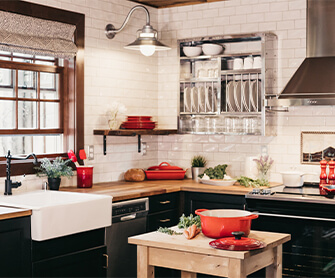
House Kitchen Design Ideas: Transform Your Cooking Space Into A Dream Kitchen
Ever walked into a kitchen and immediately felt inspired to cook? That’s the magic of great design. The kitchen isn’t just a place to prepare meals—it’s the heart of the home, where families gather, friends connect, and memories are made. But with so many house kitchen design ideas floating around, where do you start? Whether you’re tackling a full renovation or a simple refresh, the right design can turn your cooking space into a functional, beautiful hub. In this guide, we’ll explore proven strategies to maximize efficiency, style, and joy in your kitchen. From layout hacks to smart tech, get ready to reimagine your culinary domain.
A well-designed kitchen does more than look stunning; it elevates your entire daily routine. Imagine a space where everything has its place, where movement feels effortless, and where your personality shines through every detail. That’s the promise of thoughtful kitchen design. According to the National Kitchen & Bath Association (NKBA), over 80% of homeowners consider their kitchen the most important room in the house for remodeling. This isn’t surprising—kitchens offer one of the highest returns on investment in home upgrades, often recouping 60-80% of the cost upon resale. But beyond dollars, it’s about creating a environment that nurtures creativity, connection, and comfort. Let’s dive into the essential elements that will help you craft a kitchen that’s both a chef’s dream and a welcoming living space.
1. Maximize Layout and Functionality with the Work Triangle
At the core of every efficient kitchen lies the work triangle—the relationship between your sink, stove, and refrigerator. This golden rule of kitchen design ensures you can move smoothly between your three most-used zones. Each side of the triangle should measure between 4 and 9 feet, with the total perimeter staying between 13 and 26 feet. When this triangle is cluttered or too spread out, cooking becomes a chore of constant back-and-forth. But when optimized, it transforms meal prep into a streamlined dance.
The Golden Triangle: Sink, Stove, Refrigerator
The sink represents the cleaning zone, the stove the cooking zone, and the refrigerator the storage zone. Keep these points clear of traffic paths and major appliances. For example, avoid placing the dishwasher where it opens into the triangle, causing bottlenecks. In small kitchens, a galley layout with parallel counters often creates the tightest, most efficient triangle. In larger spaces, an island can become a fourth point, but ensure it doesn’t disrupt the primary triangle’s flow. Remember: the triangle isn’t just about measurements—it’s about creating a logical sequence from storage to prep to cooking to cleanup.
Zoning for Modern Kitchens
Today’s kitchens often expand the triangle concept into distinct zones. Think of a dedicated prep zone near the sink with ample counter space, a cooking zone with pots, pans, and utensils within arm’s reach, and a cleaning zone with dishwasher and trash easily accessible. This zoning is especially crucial in open-concept homes where the kitchen flows into living areas. By grouping related tasks, you minimize steps and clutter. For instance, place your spice rack near the stove, not the fridge. A butler’s pantry or secondary sink can serve as a dedicated prep and cleanup zone, keeping the main triangle free for everyday use.
Layouts That Fit Your Space
Your kitchen’s footprint dictates the ideal layout. L-shaped kitchens are versatile and work well in corners, offering an open feel. U-shaped designs maximize storage and counter space but require more room. Galley (or corridor) kitchens are efficient for narrow spaces, while island layouts add seating and workspace but need at least 42 inches of clearance around the island. For odd-shaped rooms, consider a peninsula—a half-island that tucks against a wall. The NKBA reports that islands remain the most desired feature in kitchen remodels, with 78% of homeowners including one in their plans. When choosing, prioritize your workflow over aesthetics alone. A beautiful layout that doesn’t function is a missed opportunity.
2. Smart Storage Solutions That Eliminate Clutter
Clutter is the arch-nemesis of a serene kitchen. The solution? Smart storage that makes every inch count. Gone are the days of deep, dark cabinets where pots go to die. Modern design focuses on accessibility, organization, and clever use of space. A recent survey by the American Institute of Architects found that 72% of homeowners desire more kitchen storage, proving that this is a universal pain point. The goal is to have a place for everything, and everything in its place, without requiring a contortionist to reach it.
Cabinet Innovations: Pull-Outs and Deep Drawers
Replace traditional shelves with pull-out organizers that glide smoothly, bringing items to you instead of forcing you to dig. Deep drawers are superior to shelves for pots, pans, and dishes—you can see everything at a glance. Consider divider inserts for utensils and baking sheets. For base cabinets, tilt-down trays (like those in refrigerators) can make upper shelves accessible without a step stool. And don’t forget the toe-kick space—the area under cabinets—which can be converted into hidden pull-out drawers for baking sheets or cleaning supplies. These small upgrades dramatically improve daily usability.
Pantry Perfection: From Walk-In to Pull-Out
A well-organized pantry is a game-changer. If space allows, a walk-in pantry with custom shelving and counter space is ideal. For smaller kitchens, a pull-out pantry (a tall, narrow cabinet on rails) fits between appliances or in a corner. Inside, use adjustable shelves to accommodate varying item heights. Door-mounted racks hold spices, oils, or wraps. Clear containers with labels create visual harmony and prevent mystery items. If you have a butler’s pantry, use it as a staging area for serving, storing small appliances, or housing a second sink—keeping the main kitchen clear during gatherings.
Utilizing Every Nook: Corner Solutions and Vertical Space
Corners are notorious wasted space. Lazy Susans (rotating shelves) are classic for deep corner cabinets, but newer options like corner pull-out drawers or diagonal shelves offer even better access. Above cabinets, use the vertical space for storing rarely used items like holiday platters or bulky appliances, but keep a step stool handy. Hanging pot racks free up cabinet space while adding industrial style. For narrow gaps between appliances, skinny pull-out shelves (as thin as 3 inches) hold cutting boards, baking sheets, or spices. Think vertically: a tall cabinet extending to the ceiling provides ample storage without expanding your footprint.
3. Lighting That Inspires: Layers of Illumination
Lighting is the unsung hero of kitchen design. It affects everything from safety and efficiency to mood and ambiance. A common mistake is relying on a single overhead fixture, which casts shadows and creates harsh contrasts. The solution is layered lighting—combining three types: task, ambient, and accent. This approach ensures every area is properly lit for its purpose while creating a warm, inviting atmosphere. The Illuminating Engineering Society recommends at least 300 lux (a unit of light intensity) for general kitchen tasks, with 500 lux for detailed work like chopping.
Task Lighting: Brighten Your Workspaces
Task lighting is your workhorse—bright, focused light where you need it most. Under-cabinet lighting is non-negotiable; LED strips or puck lights illuminate countertops without shadows from your body. Place them toward the front of cabinets to avoid glare. Over the sink and stove, consider recessed downlights or pendant lights positioned to avoid blocking your view. If you have a kitchen island, pendant lights above it should hang 30-36 inches above the surface (for 8-foot ceilings) and be spaced 24-30 inches apart. For precision tasks, a flexible arm lamp mounted on the wall or backsplash offers adjustable brightness.
Ambient Lighting: Set the Mood
Ambient lighting provides overall illumination, filling the room with soft, even light. Recessed ceiling lights are a clean, modern choice, but ensure they’re placed to avoid dark corners. Flush-mount or semi-flush fixtures work well in lower ceilings. Cove lighting—LEDs hidden in a ceiling cove—creates a warm, indirect glow that makes the space feel larger. Dimmers are essential; they let you adjust brightness from bright for cooking to soft for dining. Aim for ambient light that’s about one-third the brightness of your task lighting to avoid contrast.
Accent Lighting: Highlight Your Style
Accent lighting adds drama and highlights architectural features or decor. In-cabinet lighting (inside glass-front cabinets) showcases beautiful dishware. Toe-kick lighting—LEDs under the base of cabinets—creates a floating effect and provides subtle night lighting. Pendant lights over an island or dining area can be statement pieces, adding color or texture. Backlit glass backsplashes or ** illuminated wall art** introduce a high-end, custom feel. Use accent lighting sparingly to draw the eye without overwhelming the space.
4. Material Magic: Durability Meets Style
Materials are the skin of your kitchen—they define its look, feel, and longevity. The best choices balance aesthetics with practicality. A stunning marble countertop may etch easily, while a humble quartz offers low maintenance and consistent patterns. Consider your lifestyle: families with kids need stain- and scratch-resistant surfaces; avid cooks prioritize heat resistance and easy cleaning. Here’s how to navigate the material maze.
Countertops: The Workhorse of Your Kitchen
Quartz is the current champion—engineered stone that’s non-porous, scratch-resistant, and available in endless colors and patterns. It requires no sealing, making it hygienic. Granite offers natural beauty and heat resistance but needs periodic sealing. Marble is elegant but prone to etching and staining—best for low-traffic kitchens or as a decorative accent. Butcher block adds warmth and is affordable, but requires regular oiling. Solid surface (like Corian) offers seamless integration and repairability. For durability, porcelain slabs are emerging as a top contender—extremely hard, stain-proof, and available in large formats with minimal seams.
Backsplashes: Protect and Personalize
The backsplash protects walls from splashes but is also a major style element. Subway tile is timeless and versatile; large-format subway tiles reduce grout lines for a cleaner look. Glass tiles reflect light, making small kitchens feel brighter. Stainless steel offers a sleek, professional look and is incredibly easy to clean. Natural stone (like slate or travertine) adds texture but needs sealing. Waterproof vinyl peel-and-stick is a budget-friendly, DIY-friendly option with endless patterns. For a dramatic statement, consider a full-height stone slab or hand-painted tile. Pro tip: extend the backsplash to the ceiling to avoid awkward wall gaps and create a cohesive look.
Flooring: Balance Beauty and Practicality
Kitchen floors endure spills, drops, and constant traffic. Porcelain or ceramic tile is durable, water-resistant, and available in wood-look planks for warmth. Luxury vinyl plank (LVP) is softer underfoot, quieter, and highly water-resistant—a top choice for families. Hardwood adds classic warmth but requires more maintenance; engineered hardwood is more stable in humidity. Polished concrete is modern, durable, and can be heated, but can be hard underfoot. Natural stone (like slate) is slip-resistant but needs sealing. Whatever you choose, ensure it’s rated for commercial use (high traffic) and has a slip-resistant finish, especially if you have young children or elderly family members.
5. Color Psychology: Paint Your Kitchen’s Personality
Color isn’t just decoration—it’s psychology. In the kitchen, hues influence appetite, mood, and perceived space. White and light colors make small kitchens feel larger and brighter, but can feel sterile if not warmed with natural materials. Blue is calming and may suppress appetite slightly—great for a serene space. Red and orange stimulate appetite and conversation, perfect for lively homes but can be overwhelming in large doses. Green evokes nature and freshness, ideal for a healthy, organic vibe. Yellow is cheerful and energizing, though bright shades can cause eye strain. Gray is neutral and sophisticated, pairing well with almost any accent.
Neutral Foundations: Timeless and Versatile
Neutrals—whites, grays, beiges—form a flexible base that never goes out of style. Warm whites (with yellow undertones) feel cozy; cool whites (blue undertones) feel crisp and modern. Greige (gray-beige) is a popular bridge between warm and cool palettes. Use neutrals on walls, cabinets, and large surfaces, then add personality through accents—a colorful backsplash, vibrant stools, or decorative accessories. This approach allows you to refresh the kitchen’s look with small, inexpensive changes rather than a full repaint.
Bold Accents: Add Pops of Personality
Don’t shy from bold color if it excites you. Two-tone kitchens—different colors for upper and lower cabinets—add visual interest. A dark island (navy, forest green, charcoal) anchors the space while keeping perimeter cabinets light. Colorful backsplashes (emerald green tile, cobalt blue glass) become a focal point. Even appliances are now available in bold hues—Frigidaire’s Gallery series offers matte black, slate blue, and red. The key is balance: one bold element against a neutral backdrop prevents chaos. Test colors in your kitchen’s specific light (natural vs. artificial) before committing.
2024 Color Trends to Consider
This year, dark, moody kitchens are trending—deep greens, blues, and even black cabinets create a luxurious, enveloping feel. Warm metallics (brass, bronze) pair beautifully with these darks. Earthy tones like terracotta, olive, and oat are rising, reflecting a move toward organic, grounded spaces. Sage green is a particular favorite for its soothing yet sophisticated vibe. For a fresh look, consider color-drenched kitchens—where walls, cabinets, and even the ceiling share the same hue, creating a seamless, cozy cocoon. Whatever trend you choose, ensure it aligns with your personal taste and home’s overall style.
6. Smart Kitchen Tech: Convenience at Your Fingertips
The modern kitchen is increasingly connected. Smart technology isn’t just for geeks—it solves real problems: forgotten oven timers, grocery list chaos, energy waste. The global smart kitchen market is projected to reach $37 billion by 2027, driven by demand for convenience and efficiency. But with so many gadgets, where to invest? Focus on tech that genuinely enhances your routine without adding complexity.
Appliances That Think for You
Smart refrigerators with interior cameras let you check contents from your phone, create shopping lists, and track expiration dates. Smart ovens with pre-programmed settings for thousands of recipes take the guesswork out of cooking; some even have built-in scales and cameras to monitor doneness. Induction cooktops offer precise temperature control and are safer (the surface stays cool). Smart dishwashers optimize water and energy use based on load and can be started remotely. Voice-controlled microwaves and Wi-Fi-enabled coffee makers add small but delightful conveniences. Look for appliances with Energy Star certification to save on utilities.
Automation and Voice Control
Integrate your kitchen with smart home hubs like Amazon Alexa, Google Home, or Apple HomeKit. Use voice commands to turn on lights, set timers, adjust oven temperature, or play cooking podcasts. Motion-sensor faucets reduce germ spread and save water. Automated blinds over windows can adjust based on sunlight to prevent glare. Smart plugs can turn any appliance (like a slow cooker) into a scheduled device. The key is compatibility—choose devices from the same ecosystem (e.g., all Works with Google) to avoid a fragmented experience. Start with one or two devices and expand as you get comfortable.
Safety and Efficiency Features
Tech can also enhance safety. Automatic shut-off for stoves and irons prevents fires if you forget. Water leak detectors under sinks alert you to potential floods. Smoke and carbon monoxide alarms that integrate with your smart system send alerts to your phone. For efficiency, smart energy monitors track appliance usage, helping you identify energy hogs. Refrigerators with air purification keep food fresher longer. These features provide peace of mind, especially for families with children or elderly relatives.
7. Sustainable Choices for an Eco-Conscious Kitchen
Sustainability in kitchen design isn’t just a trend—it’s a responsibility. The kitchen is a resource-intensive room, consuming significant energy, water, and materials. But with thoughtful choices, you can reduce your environmental footprint without sacrificing style or function. The U.S. Environmental Protection Agency estimates that kitchens account for about 15% of a home’s energy use. Here’s how to make yours greener.
Eco-Friendly Materials
Choose rapidly renewable materials like bamboo for cabinets and flooring—it grows quickly and requires fewer pesticides. Recycled glass countertops (like those from IceStone) divert waste from landfills and offer unique aesthetics. Salvaged wood for open shelving or islands adds character and history. Low-VOC or zero-VOC paints and finishes improve indoor air quality. For backsplashes, consider recycled ceramic tiles or cork (renewable and antimicrobial). When buying new wood products, look for FSC certification (Forest Stewardship Council), ensuring responsible forestry.
Energy-Efficient Appliances
Energy Star-rated appliances are the gold standard. They use 10-50% less energy than standard models, saving hundreds over their lifetime. Pay attention to the EnergyGuide label for estimated annual costs. Induction cooktops are 5-10% more efficient than electric and up to three times more efficient than gas. Refrigerators with inverter compressors adjust cooling based on need, using less energy. Dishwashers with soil sensors adjust water usage. Tankless water heaters provide hot water on demand, reducing standby energy loss. While eco-appliances may cost more upfront, the long-term savings and environmental benefits are substantial.
Waste Reduction Systems
Design for waste diversion from the start. Include a compost bin (with a lid to contain odors) in your cabinetry—many manufacturers offer integrated pull-out composters. A recycling station with separate bins for glass, plastic, paper, and metal encourages sorting. Consider a garbage disposal that can handle food waste, but be mindful of septic systems. For packaging waste, keep a reusable bag or bin for items to return (like plastic film for grocery store recycling). Bulk dispensers for staples (flour, sugar) reduce packaging. These systems make sustainable habits effortless.
8. Personal Touches: Make It Uniquely Yours
A kitchen should reflect you. Beyond function and trends, it’s where your personality shines. Personal touches transform a generic space into a home. These elements don’t have to be expensive—often, it’s the small, curated details that tell your story. Think of your kitchen as a canvas: the layout and materials are the base coat, but the personal touches are the brushstrokes that make it yours.
Open Shelving: Display with Purpose
Open shelves replace upper cabinets, creating an airy feel and showcasing your favorite dishes, glassware, or cookbooks. But they require discipline—everything on display must be intentional and organized. Use matching containers for staples, group items by color or type, and leave some empty space for breathing. In a small kitchen, open shelves can make the room feel larger. However, they collect dust and grease, so consider placing them away from the stove. A mix of open shelves and closed cabinets offers the best of both worlds—display for beautiful items, hidden storage for everyday clutter.
Decor That Tells a Story
Infuse your kitchen with meaningful decor. Hang artwork that inspires—culinary prints, family photos, or children’s drawings. A vintage clock or heirloom pottery adds history. Plants bring life; consider an herb garden on the windowsill for both beauty and utility. Rugs (with non-slip pads) add warmth and color underfoot. Textiles—dish towels, pot holders, curtains—in coordinating patterns tie the room together. Light fixtures can be statement pieces: a rustic chandelier, modern pendants, or a colorful glass fixture. Rotate decor seasonally to keep the space fresh without major changes.
DIY Projects for a Custom Feel
Roll up your sleeves for DIY projects that add custom flair. Paint your cabinets—a weekend project that completely transforms the room. Install a tile backsplash; peel-and-stick tiles make it beginner-friendly. Build open shelving from reclaimed wood. Create a magnetic knife rack or spice rack from a reclaimed board and magnets. Stencil a pattern on the floor or walls. Refinish or paint your island a bold color. DIY not only saves money but also imbues the space with your effort and creativity. Just research thoroughly and invest in quality tools and materials for professional results.
Conclusion: Your Dream Kitchen Awaits
Designing your ideal kitchen is a journey of balancing form, function, and personality. From the foundational work triangle to the finishing personal touches, each element plays a crucial role in creating a space that’s both efficient and joyful. Remember, there’s no one-size-fits-all solution—your kitchen should be a reflection of how you live, cook, and connect. Start by assessing your biggest pain points: is it clutter, poor lighting, or an awkward layout? Tackle those first. Then, layer in style through color, materials, and decor.
Don’t feel pressured to implement everything at once. Even small changes—like adding under-cabinet lighting, installing pull-out shelves, or painting cabinets—can make a significant impact. If you’re overwhelmed, consult a kitchen designer; many offer hourly consultations for a fraction of a full remodel cost. They can help you optimize layout, choose materials, and avoid costly mistakes. Ultimately, your kitchen should make you smile every time you step in. It’s where you’ll whip up birthday cakes, share morning coffee, and host holiday feasts. With these house kitchen design ideas, you’re well on your way to creating a heart-of-the-home that’s as functional as it is beautiful. Now, grab a sketchpad, dream big, and start designing the kitchen you’ve always wanted.