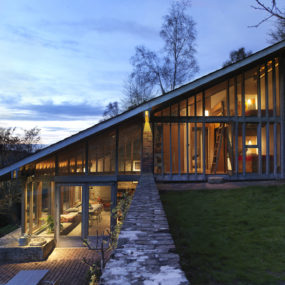
How To Achieve Your Low Budget Simple Dream House Design In The Philippines
Can you really build your dream home in the Philippines without breaking the bank? For many Filipinos, the idea of a "dream house" often conjures images of sprawling mansions and expensive finishes, seemingly out of reach for average earners. But what if the key to your ideal home isn't a bigger budget, but a smarter, simpler design? The truth is, a low budget simple dream house design Philippines is not only possible but can result in a more functional, cozy, and personally meaningful space. It’s about shifting focus from sheer size and luxury to intelligent planning, clever material choices, and embracing the beauty of simplicity. This guide will walk you through every practical step, from conceptualizing your plan to putting the finishing touches, to turn that affordable dream into a tangible reality.
The Philosophy of "Less is More": Embracing Minimalist Design
The foundation of any affordable housing Philippines project is a mindset shift. Instead of starting with a wishlist of rooms, start with a clear understanding of your actual needs versus your wants. A simple dream house design prioritizes essential living spaces that serve your family's daily life. This means questioning every square meter: Do you need a formal dining room you'll use twice a year, or can a generous kitchen nook suffice? Could a multi-purpose lanai serve as both a living area and a guest sleeping space?
This approach, often called minimalist or essentialist design, directly combats the biggest budget drain: unnecessary space. Every additional square foot adds significantly to construction costs—from foundation and roofing to walls, flooring, and painting. By designing a compact yet efficient floor plan, you reduce material and labor expenses from the very start. Furthermore, a smaller home means lower long-term costs for maintenance, utilities, and property taxes. The goal is to create a home that feels spacious and open through smart layout, rather than simply being large. Think high ceilings, strategic window placement for cross-ventilation, and an open-plan living area that eliminates wasted hallways and compartmentalized rooms.
Key Principles of Minimalist Home Design for the Philippines
- Right-Sizing: Honestly assess your family's current and near-future needs. A couple with no children might thrive in a 50-60 sqm home, while a family of four might comfortably need 80-100 sqm.
- Multi-Functional Spaces: Design rooms that can adapt. A guest room can also be a home office or study area. A dining area can double as a children's play space.
- Vertical Space: Don't forget to design upwards. A high ceiling or a loft area can add perceived volume and functional storage or sleeping space without expanding the footprint.
- Natural Light & Air: Maximize windows and openings. This reduces the need for artificial lighting and electric fans/AC during cooler months, a core tenet of cost-effective home building.
Smart Material Selection: Where to Save and Where to Splurge
Your material choices will make or break your low budget simple dream house design Philippines budget. The strategy here is not to always choose the cheapest option, but the most value-driven one. This means understanding the lifecycle cost—initial price plus durability and maintenance.
Concrete is your best friend. For the structural skeleton—foundation, columns, beams, and roof decking—never compromise. Reinforced concrete is non-negotiable for typhoon and earthquake resilience in the Philippines. However, you can save on the finishes. Instead of expensive imported tiles for the entire ground floor, consider concrete flooring with a decorative finish (stained, polished, or with embedded chips) for common areas. It's durable, cool underfoot, and has a modern industrial aesthetic. For bedrooms, affordable, locally sourced ceramic tiles are a practical choice.
For walls, hollow block construction is standard and cost-effective. For interior partitions, consider concrete blocks or even bamboo/plywood partitions in non-load-bearing areas to save. For exterior finishes, a simple cement plaster with a subtle texture or a fresh coat of weather-resistant paint is timeless and cheap to maintain. Avoid complex stone cladding or intricate moldings.
Roofing is another critical area. A simple gable or hip roof with a moderate pitch is cheaper to build than complex multi-gabled designs. For roofing material, galvanized iron (GI) sheets are the most budget-friendly. Invest in a good quality, thicker gauge (like 0.4mm or 0.5mm) with a reliable brand to ensure longevity against rust and typhoons. The color "white" or light shades can help reflect heat.
The "Splurge Wisely" List
While being frugal, identify areas where a slightly higher initial investment saves money and headaches later:
- Roofing: As mentioned, good GI sheets.
- Windows & Doors: Solid, well-fitting doors (often steel or solid wood) and windows (casement or sliding with good seals) provide security, noise reduction, and better ventilation. Don't buy flimsy ones that warp.
- Plumbing & Electrical: Use standard, reputable brands for pipes and wires. This prevents leaks, bursts, and electrical fires. The cost of redoing shoddy work is astronomical.
- Waterproofing: Spend on quality waterproofing for the roof slab, bathroom floors, and exterior walls. Water damage is the most costly repair.
Efficient Space Planning: The Art of the Layout
This is where your simple dream house design truly comes to life. A brilliant layout can make a small house feel spacious and luxurious. The core principle is the "work triangle" adapted for a Filipino home: the relationship between the kitchen, dining, and living areas. These should be in close proximity, ideally in an open-plan arrangement, to facilitate family interaction and easy movement.
Place high-use areas in the best spots. The living area and main bedrooms should capture the best views and prevailing breezes. In the Philippines, this often means orienting the house to catch the amihan (northeast monsoon) for cooling. Place the kitchen and utility areas on the side that's less critical for views, perhaps near the service entrance.
Eliminate wasted space. Long, dark hallways are budget and space killers. Aim for a layout where you move from one functional zone to another directly. Use built-in storage—under-stair cupboards, window seats with hidden storage, floor-to-ceiling cabinets in the kitchen and bedrooms—to maximize every nook. This reduces the need for buying freestanding furniture and keeps clutter at bay.
A sample efficient layout for a 60 sqm lot could be: an open-plan living/dining/kitchen area at the front, a small toilet and bath, one master bedroom at the back, and a small lanai or service area. All living spaces open to the main ventilation path.
Harnessing Local Craftsmanship and DIY: The Human Element
One of the most significant ways to reduce costs is to source materials and labor locally. Avoid importing finishes. The Philippines has a wealth of talented karpinteros (carpenters), masons, and artisans. A local foreman from your province or barangay will often be more affordable and invested than a Manila-based contractor.
Consider a "design-build" approach where you hire a skilled foreman or small contractor and work with them directly, possibly with the help of an architect for the initial plans only. This cuts out the general contractor's markup. Be very clear about specifications, timelines, and payment schedules in a written agreement.
Selective DIY can also save thousands. Tasks like painting, basic tiling (for small areas), installing simple fixtures, landscaping, and interior finishes (like applying cement plaster or installing pre-fabricated kitchen cabinets) can be done by homeowners with some research and help. This not only saves money but gives you immense satisfaction and control over the finish. However, never DIY structural, electrical, or plumbing work. These require licensed professionals for safety and legal compliance.
Building Your Team
- Architect/Designer: Essential for a compliant, functional, and beautiful design. Negotiate a fee for plans only, not full project management.
- Foreman/Contractor: Get multiple bids, check their past projects, and talk to their previous clients.
- Suppliers: Build relationships with local hardware stores and material suppliers. They often give better prices for bulk or repeat purchases.
Phased Construction: Building Your Dream in Manageable Stages
If your budget is extremely tight, don't try to build everything at once. A phased construction approach is a cornerstone of budget-friendly home building in the Philippines. Design your home with the future in mind, but build only what you need now.
Phase 1: The Core. Build the essential structural shell: foundation, columns, roof, and the basic rooms you need immediately—typically a living area, one bedroom, a kitchen, and a toilet/bath. Finish these spaces minimally but livably (plain cement floors, basic paint, simple fixtures).
Phase 2: Finishing & Extensions. As funds become available, add the secondary bedroom, finish the flooring (tiles, wood), install better cabinetry, and add decorative elements.
Phase 3: The "Dream" Elements. Finally, add the swimming pool, landscaping, high-end appliances, or a home theater. By phasing, you move into your home sooner, stop paying rent, and can invest in upgrades without crippling debt. Ensure your initial design and structural plans accommodate future additions (e.g., leave provisions for additional columns, electrical conduits, and plumbing lines).
Energy and Water Efficiency: Long-Term Savings are Part of the Dream
A true dream house is one that is comfortable and affordable to live in. Energy-efficient design is not an expensive add-on; it's integral to smart planning. Passive design techniques cost little to implement during construction but yield massive savings.
- Orientation: As mentioned, orient the house to maximize natural ventilation and minimize direct afternoon sun.
- Windows: Install large, operable windows on opposite walls for cross-ventilation. Use ventanillas (small, fixed windows above main windows) to allow hot air to escape even when main windows are closed for security.
- Overhangs & Eaves: Deep eaves and window overhangs shade windows from the high summer sun while allowing lower winter sun to enter (a subtle but effective technique).
- Insulation: Consider insulating the roof deck (e.g., with foam board) before installing the ceiling. This is one of the most effective ways to keep a house cool.
- Water: Install a rainwater harvesting system with a simple tank to supply water for flushing toilets and gardening. Use low-flow faucets and showerheads.
These features reduce reliance on electric fans and air conditioners, which are the biggest contributors to high Meralco bills.
Navigating Legalities: Permits and Compliance
Building without a permit is a false economy. It can lead to a stop-work order, heavy fines, and even demolition. The process, while bureaucratic, is straightforward if you're prepared.
- Secure a Lot Title (TCT). You must own the land.
- Hire a Licensed Architect or Civil Engineer. They will prepare the necessary documents: Building Permit application, Fire Safety evaluation, Sanitary Permit, and Electrical Permit. Their signed and sealed plans are mandatory.
- Submit to the Local Building Official (LBO). The architect/engineer will handle this. The process involves submitting documents, paying fees (based on the estimated construction cost), and undergoing inspections.
- Obtain the Certificate of Occupancy (C/O). After construction, a final inspection is done to issue the C/O, which legalizes your house for occupancy.
Budget for these professional fees and permit costs (typically 2-5% of the total project cost). It is a non-negotiable part of your low budget simple dream house design Philippines plan.
Real-Life Inspiration: Simple Houses That Inspire
Let's look at a conceptual example of a 70 sqm, single-story, simple dream house design on a 100 sqm lot in a provincial setting:
- Exterior: A clean, white concrete block house with a simple gable roof in a light grey GI sheet. The entrance is a modest, covered porch with a few potted plants. Windows are simple, white-framed, casement types with ventanillas.
- Floor Plan: Upon entering, you step into an open-plan living/dining/kitchen area. The living area has a simple built-in cabinet for a TV. The kitchen has a basic L-shaped counter with tiled splashback and overhead cabinets. A small toilet and bath is located near the entrance for guests. At the back are two bedrooms—a master with an attached bath and a smaller secondary room. A service area with a washing basin and space for a laundry machine opens off the kitchen.
- Finishes: Concrete floors throughout, sealed and polished in the living area. Plain cement plaster walls painted in light, cool colors (soft whites, light blues, or greens). Simple, functional wooden doors. The focus is on clean lines, good ventilation, and uncluttered spaces.
- Estimated Cost (Provincial Area, 2023): For a very basic, no-frills finish (no kitchen cabinets, plain bathroom, basic doors/windows), the construction cost could range from Php 15,000 to Php 20,000 per square meter. For this 70 sqm house, that's approximately Php 1.05 to 1.4 million. This excludes the lot price, permits, and design fees. This illustrates that with strict budgeting and local sourcing, the dream is quantifiable.
Conclusion: Your Dream is a Plan Away
Building a low budget simple dream house design in the Philippines is an exercise in creativity, discipline, and smart decision-making. It’s about embracing the philosophy that a home's value lies in the life lived within its walls, not in the price tag of its fixtures. By committing to minimalist design, selecting value-driven materials, planning your space with surgical efficiency, leveraging local talent, and considering phased construction, you dismantle the financial barriers that stand between you and homeownership.
Start today. Draft a simple list of your non-negotiable needs. Sketch a rough floor plan. Research local suppliers and get preliminary quotes. Consult with a licensed professional to ensure your vision is structurally sound and legally compliant. Your simple, beautiful, and affordable dream home is not a fantasy reserved for the wealthy—it is an achievable goal, built one smart decision at a time. The first brick is the decision to start planning.