Modern Homes Design Ideas: Transform Your Space With These Cutting-Edge Concepts
What if your home could be a sanctuary that perfectly blends sleek aesthetics with intelligent functionality, a space that not only looks stunning but actively improves your daily life? The pursuit of modern homes design ideas is no longer just for architects and design magazines; it's a accessible journey for any homeowner looking to create a space that reflects the 21st century. Modern design has evolved far beyond the cold, minimalist boxes of the past. Today, it’s about creating warm, inviting, and highly personalized environments that embrace new materials, smart technology, and a profound connection to the outdoors. This comprehensive guide will unpack the essential principles, room-by-room strategies, and innovative trends that define contemporary living, providing you with a actionable blueprint to reimagine your own home.
The Core Philosophy: What Does "Modern" Really Mean Today?
Before diving into specific ideas, it’s crucial to understand that modern home design is a dynamic philosophy, not a rigid style. It prioritizes purpose, simplicity, and innovation. At its heart lies the concept of form follows function, meaning every element should have a clear purpose, eliminating unnecessary ornamentation. However, the modern homes of 2024 and beyond masterfully balance this clean-lined functionality with warmth and texture. Think of it as a curated lifestyle where technology is seamlessly integrated, natural light is celebrated, and there’s a conscious effort to reduce environmental impact. The goal is to create a calm, uncluttered atmosphere that feels both sophisticated and livable—a true retreat from the chaos of the outside world.
Embracing the "Less is More" Mantra (But Making it Cozy)
The foundational principle of modern design is decluttering. This doesn’t mean stark emptiness; it means intentional living. Every piece of furniture, every decorative object, should earn its place. This approach creates visual calm and makes cleaning and maintenance significantly easier. To counteract potential sterility, modern design layers in warmth through:
- Natural Materials: Incorporating warm woods (like oak, walnut, or teak), natural stone (marble, quartzite, slate), and textile elements such as wool, linen, and jute.
- Organic Shapes: Moving away from purely rectilinear forms to include curved sofas, rounded coffee tables, and arched doorways that soften the space.
- Biophilic Design: Actively integrating plants, maximizing views of greenery, and using water features to satisfy our innate connection to nature. Studies show that biophilic design can reduce stress and improve cognitive function by up to 15%.
The Open-Plan Revolution and Zoned Living
The open-plan layout remains a cornerstone of modern design, dissolving barriers between the kitchen, dining, and living areas to foster connection and allow light to flow freely. However, the latest evolution is "zoned living." Within these large, open spaces, designers use subtle cues to define areas without building walls. This includes:
- Changes in floor level (a few steps down to a living area).
- Strategic lighting (pendant lights over a dining table, a statement floor lamp in a reading nook).
- Area rugs and furniture groupings that create conversational pockets.
- Partial screens or shelving units that act as room dividers while maintaining sightlines.
Key Spaces Reimagined: Modern Design Ideas for Every Room
Now, let’s translate these philosophies into practical, room-specific applications.
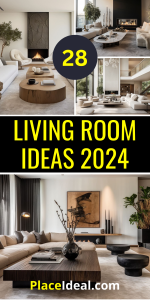
The Living Room: A Hub for Relaxation and Connection
The modern living room is a flexible, multi-functional space. It’s where you relax, entertain, work, and play.
- Furniture: Opt for low-profile, modular sofas with clean lines. Consider a sectional that can be reconfigured. Pair it with a sculptural, minimalist coffee table—perhaps in a surprising material like travertine or powder-coated steel. Built-in media units that hide cables and electronics are a must for maintaining that uncluttered look.
- Lighting: Embrace a layered approach. Combine recessed LED downlights for general illumination with architectural track lighting that can be aimed at art or features, and add ambient lighting via floor lamps or wall sconces with dimmers.
- Accent Wall: Instead of a gallery wall, consider one bold statement: a large-scale piece of abstract art, a wall of floating shelves displaying a curated collection, or a dramatic application of textured wall paneling like fluted wood or 3D geometric tiles.
The Kitchen: The Heart of the Smart Home
The modern kitchen is a high-performance space that blends professional-grade functionality with beautiful, minimalist aesthetics.
- Cabinetry:Handleless cabinets with push-to-open mechanisms are the gold standard. Colors are moving toward earthy, warm tones—think olive green, deep navy, or warm charcoal—or staying classic with crisp white or matte black. A mixed material backsplash (e.g., a section of marble alongside a section of stainless steel) adds visual interest.
- Countertops:Quartz continues to dominate for its durability and vast range of patterns. For a wow factor, consider a waterfall countertop where the material cascades down the side of the island or cabinets.
- The Island: It’s no longer just for prep work. Modern islands are multi-leveled, with a raised bar area for casual dining and a lower section for food prep. Integrating induction cooktops and hidden pop-up outlets keeps the surface sleek.
- Appliances:Fully integrated appliances (refrigerators and dishwashers that blend seamlessly with cabinetry) are key. Smart appliances that can be controlled via apps, like ovens that preheat on your way home or refrigerators with internal cameras, are becoming standard in high-end modern design.
The Bedroom: A Serene Sanctuary
Modern bedroom design focuses on creating a tranquil, restful environment.
- Platform Beds: Low-profile platform beds with sleek, often floating, bases eliminate visual weight. Upholstered headboards in soft fabrics add a touch of luxury and acoustic dampening.
- Hidden Storage:Built-in wardrobes with floor-to-ceiling mirrored or paneled doors are the epitome of sleek storage, eliminating the need for bulky freestanding dressers.
- Lighting: Avoid harsh overhead lights. Use bedside wall sconces (swing-arm styles are great for reading), cove lighting in a dropped ceiling, and dimmable recessed lights to set a relaxing mood.
- Material Palette: Stick to a soothing, monochromatic or analogous color scheme with abundant textural contrast—a chunky knit throw, smooth linen sheets, a woven rug, and a cool metal lamp.
Integrating Technology: The Invisible Smart Home
True modern home design seamlessly embeds technology, making it an invisible servant rather than a visible gadget. The goal is a "quiet luxury" tech experience.
- Whole-Home Automation: Control lighting, climate, security, and entertainment from a single app or voice assistant (like Google Home or Apple HomeKit). Smart thermostats (like Nest or Ecobee) learn your schedule and optimize energy use.
- Hidden Tech:In-ceiling speakers that disappear into the plaster, motorized window treatments (blinds and shades) that open and close on a schedule or with the sun, and pop-up TV lifts that hide screens in ceilings or cabinets.
- Wellness Tech: This is a huge trend. Consider circadian rhythm lighting systems that adjust color temperature throughout the day to support natural sleep cycles, or advanced air purification systems integrated into the HVAC.
Sustainability: The Non-Negotiable Pillar of Modern Design
Eco-consciousness isn't a trend; it's a fundamental requirement of contemporary design. Sustainable building materials and energy-efficient systems are now baseline expectations.
- Materials: Specify FSC-certified wood, recycled metal (for countertops or accents), bamboo (for flooring), and low-VOC or zero-VOC paints and finishes to ensure healthy indoor air quality.
- Energy Efficiency: Beyond LED lighting, invest in high-performance windows (double or triple-glazed), superior insulation, and solar panels. A heat recovery ventilation system (HRV) provides fresh, filtered air without losing conditioned air.
- Water Conservation:Tankless water heaters and low-flow plumbing fixtures are standard. For the landscape, implement xeriscaping with native, drought-resistant plants and rainwater harvesting systems.
Common Pitfalls to Avoid in Your Modern Home Journey
Even with the best ideas, certain missteps can derail your modern aesthetic.
- Confusing Modern with Minimalist: Remember, modern can be cozy. Avoid the trap of making a space feel like a hospital showroom by neglecting texture, color, and personal items.
- Ignoring Scale and Proportion: A massive, overstuffed sectional will look absurd in a small, sleek living room. Always measure your space and choose furniture that fits its scale.
- Poor Storage Planning: Clutter is the arch-nemesis of modern design. Plan for everything—from charging stations to pet supplies. Custom built-ins are often worth the investment.
- Forgetting the "Fifth Wall": The ceiling is a huge opportunity. Paint it a bold color, add wooden beams, or install a coffered ceiling to add architectural interest.
- Over-Accessorizing: One large, impactful piece of art is better than ten small, random items. Edit ruthlessly.
Bringing It All Together: Your Actionable Modern Home Plan
Ready to start? Follow this roadmap:
- Define Your "Why": Is it for better family flow, increased home value, or personal peace? This guides all decisions.
- Create a Mood Board: Collect images (from Pinterest, magazines) that speak to you. Look for recurring themes in color, material, and feeling.
- Start with a Neutral Foundation: Paint walls in warm whites, greiges, or soft greys. Invest in large, neutral pieces of furniture (sofa, bed, cabinetry).
- Layer in Texture and Color: Add your personality through textiles (rugs, curtains, pillows), art, and smaller accent furniture. This is where you introduce your accent colors—a deep teal, a burnt orange, a mustard yellow.
- Integrate Technology Early: Work with an electrician and a smart home integrator during the planning phase, not after the drywall goes up.
- Lighting is Everything: Hire a lighting designer. A well-lit modern space uses at least three layers of light (ambient, task, accent) on separate switches/dimmers.
- Edit, Edit, Edit: As you add items, constantly ask if they serve a purpose or spark genuine joy. Remove the rest.
Conclusion: Designing the Home of Now
The most exciting modern homes design ideas are those that reflect a thoughtful, intentional way of living. They are not about achieving a sterile, showroom-perfect look, but about crafting a deeply personal environment that supports your well-being, connects you to nature, and simplifies your life through intelligent design. By focusing on clean lines, authentic materials, seamless technology, and sustainable choices, you create a home that is not only of-the-moment but built to endure. Start with one room, apply these principles, and experience the profound calm and clarity that a truly modern home can provide. Your future self—relaxing in your serene, efficient, and beautiful sanctuary—will thank you.