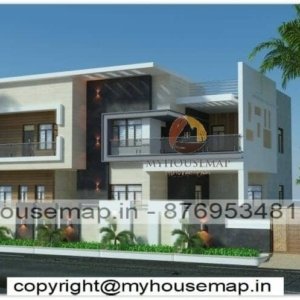
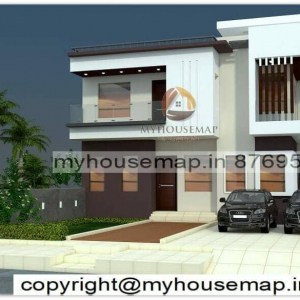
Modern House Design Description: Your Ultimate Guide To Contemporary Living
What does "modern" really mean in the world of home design? Is it just a sleek aesthetic, or is it a fundamental philosophy about how we live? A true modern house design description goes far beyond a list of trendy features; it's a holistic narrative about space, light, materiality, and lifestyle. It tells a story of intentional living, where every line, texture, and integrated technology serves a purpose. This guide will decode the essence of modern architecture, transforming abstract concepts into a clear, actionable blueprint for understanding or creating your own contemporary sanctuary. We'll move past the jargon to explore the principles, materials, and innovations that define today's most sought-after homes.
The Core Philosophy: More Than Just a Style
Before diving into walls and windows, it's crucial to understand that modern house design is first and foremost a mindset. It emerged from the early 20th-century modernist movement, championed by architects like Ludwig Mies van der Rohe, whose mantra "less is more" still echoes today. This philosophy rejects superfluous ornamentation in favor of honest expression of structure and materials. In a contemporary context, it means designing for how people actually live now—prioritizing flexibility, connection to nature, and seamless integration with our digital lives. It’s about creating a calm, uncluttered environment that feels both open and grounded.
Form Follows Function: The Uncluttered Blueprint
The most recognizable hallmark of a modern home is its open floor plan. Walls are strategically removed to create flowing, multifunctional living zones. Imagine walking from the kitchen island to the dining area to the living room without a single door or hallway interrupting the sightlines. This isn't just an aesthetic choice; it’s a social one. It fosters family interaction, makes entertaining effortless, and allows natural light to penetrate deep into the home's core. According to a 2023 survey by the National Association of Home Builders (NAHB), over 80% of homebuyers consider an open floor plan "desirable" or "essential," proving its lasting impact on modern living expectations.
Achieving this openness requires clever spatial planning. Defining zones instead of rooms becomes key. This can be done through subtle changes in floor level (a step-down living area), variations in ceiling height, or strategic placement of furniture and lighting. A long, low sofa might delineate the living area from the dining space within the same great room. The goal is a sense of defined purpose without physical barriers.
The Power of Natural Light and Connection to Outdoors
A modern house design description is incomplete without emphasizing the profound relationship with the outdoors. Large, often floor-to-ceiling windows and glass walls are not just for views; they are primary architectural elements that dissolve the boundary between inside and out. This indoor-outdoor living concept transforms patios, decks, and courtyards into true extensions of the home's living space.
- Strategic Glazing: Windows are placed not just where views exist, but where they can best capture sunlight for natural heating (south-facing in the Northern Hemisphere) and promote cross-ventilation for passive cooling.
- Sliding Glass Walls: Systems like NanaWall or similar brands allow entire walls to disappear, creating a seamless transition to a backyard, garden, or balcony.
- Courtyard Plans: In urban or privacy-conscious settings, modern homes often organize around a central, light-filled courtyard, bringing the outdoors into the heart of the home.
This focus on light and nature directly impacts well-being. Studies consistently show that access to natural light and views of greenery reduces stress, improves sleep, and boosts productivity. A modern home, therefore, becomes a tool for healthier living.
The Material Palette: Truth and Texture
If open plans and glass are the skeleton, then materials are the skin and character of a modern home. The principle of "truth to materials" means letting the inherent beauty of concrete, wood, stone, and steel speak for themselves without fake finishes. This creates a sense of authenticity and permanence.
Industrial Chic: Concrete, Steel, and Glass
Exposed structural elements are celebrated. This might mean:
- Polished Concrete Floors: Durable, easy to clean, and perfect for radiant heating. They provide a cool, sleek base that contrasts beautifully with warm wood accents.
- Exposed Steel Beams or Columns: Often painted black or left with a raw, brushed finish, they add an industrial, sculptural quality and clearly define the home's structural logic.
- Glass Balustrades and Railings: Maintaining sightlines and an airy feel on staircases and balconies, rather than bulky wooden spindles.
These materials are prized for their longevity and low maintenance. Concrete and steel don't need painting or frequent repairs, aligning with the modern value of sustainability through durability.
Warmth and Organic Balance: Wood and Natural Stone
To prevent these industrial materials from feeling cold or sterile, warm, organic elements are essential.
- Reclaimed Wood: Used for accent walls, ceiling beams, or cabinetry. It adds history, texture, and a rich, tactile contrast to smooth surfaces. Its use is a direct nod to sustainable building practices.
- Natural Stone: Whether it's a massive, book-matched marble slab for a fireplace surround or a rugged, cleft-cut limestone for an exterior wall, stone provides a timeless, grounding element.
- Wide-Plank Hardwood Flooring: Often in lighter tones (white oak, ash) or rich, dark stains (walnut), it softens the space and adds understated elegance.
The art lies in the juxtaposition. A concrete wall paired with a warm oak staircase. A steel-framed window overlooking a garden of native plants. This dialogue between hard and soft, cool and warm, is what gives a modern home its soul.
Smart Home Integration: Technology as an Invisible Servant
A complete modern house design description in the 21st century must address technology. However, true modernism integrates tech seamlessly, making it an invisible, intuitive servant rather than a collection of visible gadgets. This is home automation or the "Internet of Things" (IoT) for the home.
The Centralized Nervous System
Gone are the days of multiple remotes and standalone apps. Modern systems are controlled from a single interface—a sleek wall panel, a smartphone app, or even voice commands via Amazon Alexa, Google Home, or Apple HomeKit.
- Lighting: Programmable scenes (e.g., "Movie Night" dims lights, "Good Morning" slowly brightens bedrooms). Motion sensors in closets and garages.
- Climate Control:Smart thermostats like Nest or Ecobee learn schedules and adjust temperatures for comfort and efficiency. Zoned systems allow different temperatures in different areas.
- Security: Integrated cameras, smart locks, and alarm systems with real-time alerts and remote monitoring.
- Shading: Motorized blinds or shades that automatically adjust based on the sun's position to prevent glare and heat gain, often synced with the lighting and climate systems.
The Hidden Infrastructure
This level of integration requires planning during the design and construction phase. Wiring (like structured Cat6 Ethernet or robust Wi-Fi mesh systems) must be run to key locations. Conduit should be installed in walls for future upgrades. The goal is a clean, wire-free aesthetic where technology enhances the experience without creating visual clutter. A tech-savvy modern home feels effortless.
Sustainability: The Non-Negotiable Modern Imperative
Modern design and sustainable building practices are now inseparable. A home described as "modern" today is expected to be environmentally responsible. This isn't just about adding solar panels; it's a holistic approach from the foundation up.
High-Performance Building Envelope
This is the physical barrier between indoors and out—walls, roof, windows, and foundation. Modern construction focuses on making this envelope extremely efficient.
- Superior Insulation: Using advanced materials like rigid foam board, spray foam, or even structural insulated panels (SIPs) to minimize heat transfer.
- High-Performance Windows: Double or triple-pane glass with low-E coatings and gas fills (argon or krypton) to drastically reduce energy loss.
- Airtight Construction: Meticulous sealing of all joints and penetrations to prevent drafts and moisture intrusion, often verified with a blower door test.
Active Systems and Renewable Energy
- Solar Photovoltaic (PV) Systems: Rooftop solar panels are a common sight, often designed as an integrated part of the roofscape rather than an afterthought. Battery storage systems like the Tesla Powerwall allow for energy independence.
- Geothermal Heating & Cooling: Using the earth's stable underground temperature to heat and cool the home with remarkable efficiency.
- Heat Recovery Ventilation (HRV) or Energy Recovery Ventilation (ERV): These systems provide a constant supply of fresh, filtered air while recovering the energy from the outgoing stale air, crucial in airtight modern homes.
Water and Material Conservation
- Rainwater Harvesting: Collecting rainwater for irrigation and sometimes non-potable indoor uses.
- Greywater Systems: Reusing water from sinks, showers, and laundry for landscape irrigation.
- Sustainable Materials: As mentioned, using reclaimed wood, specifying FSC-certified lumber, choosing low-VOC paints and finishes, and selecting locally sourced materials to reduce transportation emissions.
Personalization and The Human Touch: Making It Yours
A common critique of modern design is that it can feel impersonal or like a "showroom." The final, crucial element in any authentic modern house design description is personalization. This is where the homeowner's story, collection, and personality imbue the space with warmth and life.
Curated Collections and Art
The clean, neutral backdrop of a modern home is the perfect canvas for meaningful objects. A gallery wall of family photos in identical frames, a collection of vintage ceramics, a statement piece of contemporary art, or a bookshelf filled with well-loved books all add layers of personal narrative. The key is curation—editing to display only what you truly love, avoiding clutter.
Textiles and Soft Furnishings
This is where texture and color are most easily introduced.
- A chunky wool rug on polished concrete.
- Linen curtains that billow softly at a large window.
- A mix of leather, velvet, and woven textiles on sofas and chairs.
- Pillows and throws in accent colors that reflect the seasons or your mood.
These elements are relatively changeable, allowing you to refresh the home's feel over time without a major renovation.
Biophilic Design: Bringing Nature In
Beyond just views, biophilic design actively incorporates natural elements to enhance well-being.
- Indoor Plants: From a single large fiddle-leaf fig to a living wall, plants purify air and add life.
- Natural Materials: As discussed, wood, stone, rattan, and bamboo.
- Water Features: A small indoor fountain or a reflecting pool can introduce the soothing sound and sight of water.
- Natural Patterns: Fabrics or wallpapers with organic, leaf-like, or geological patterns.
Frequently Asked Questions (FAQ)
Q: Is modern design the same as contemporary design?
A: Not exactly. Modern design refers to a specific historical period (roughly 1920s-1960s) and its enduring principles. Contemporary design means "of the current moment" and is ever-changing, often borrowing from multiple styles, including modern. Today, the terms are often used interchangeably, but a purist would say a truly modern home adheres to the early-to-mid 20th century ideals.
Q: Is a modern home more expensive to build?
A: The initial cost can be higher due to specialized materials (large glass panels, engineered wood systems), precise engineering, and high-performance building techniques. However, the long-term operational costs are significantly lower due to superior energy efficiency. The value lies in durability, reduced maintenance, and energy savings over the home's lifetime.
Q: Can I incorporate modern design into an existing, traditional home?
A: Absolutely. You can adopt modern principles in phases:
- Declutter and Edit: Embrace "less is more." Remove unnecessary items.
- Update Finishes: Replace dated carpets with hardwood or polished concrete. Paint walls in neutral tones (whites, grays, beiges).
- Introduce Modern Furniture: Swap out a bulky traditional sofa for a low-profile, clean-lined sectional.
- Improve Lighting: Replace ornate fixtures with simple, geometric LED designs. Add floor lamps for ambient light.
- Maximize Light: Use sheer curtains or remove window treatments entirely to let in more light.
Q: How do I avoid a modern home feeling cold or unwelcoming?
A: Focus on the warmth equation: Wood + Textiles + Light + Personal Objects. Ensure you have plenty of warm wood tones. Layer in rugs, throws, and cushions in natural fabrics. Prioritize maximizing natural daylight and use warm (2700K-3000K) color temperature LED bulbs in your artificial lighting. Finally, display your personal collections and family mementos with intention.
Q: What are the biggest trends in modern house design for 2024 and beyond?
A: Trends are evolving toward "soft modernism"—softer curves, more organic shapes, and an even greater emphasis on biophilia. Expect to see more:
- Curved walls and arched openings.
- Plaster and lime wash finishes instead of stark drywall.
- "Japandi" style (a blend of Japanese and Scandinavian minimalism).
- Multi-generational and accessible design features seamlessly integrated.
- Greater use of sustainable, bio-based materials like mycelium insulation or bamboo composites.
Conclusion: Designing Your Life, Not Just a House
A genuine modern house design description is ultimately a portrait of intentional living. It’s a commitment to clarity, efficiency, and harmony—with nature, with technology, and with oneself. It strips away the non-essential to make space for what truly matters: connection, calm, and comfort. The flowing layouts invite conversation; the abundant light energizes and uplifts; the honest materials ground us in reality; and the smart systems quietly manage the details of daily life.
Whether you're building from the ground up or thoughtfully refreshing your current home, embracing these modern principles offers more than just a beautiful aesthetic. It provides a framework for a more sustainable, healthy, and mindful way of life. Start by identifying which of these core pillars—openness, materiality, technology, or sustainability—resonate most with your personal vision. Then, layer in your unique story. The result won't just be a modern house; it will be a home, perfectly described by the life you choose to live within its walls.