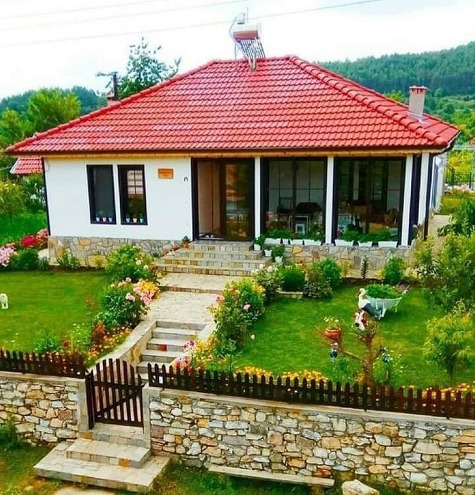
Simple Dream House Design In Village: Your Guide To Affordable, Authentic Living
Ever dreamed of a simple life in a village? A life where the air is fresh, the pace is gentle, and your home is a true reflection of peace and practicality? The concept of a simple dream house design in village is no longer a distant fantasy but a tangible, increasingly popular reality. In our fast-paced, cluttered world, the allure of a simpler, more grounded existence is stronger than ever. This guide dives deep into the philosophy, practicality, and beauty of creating your perfect rural retreat. We’ll explore how to blend traditional wisdom with modern comfort, all while staying within a realistic budget. Forget sprawling mansions; true luxury today is found in intentional living, sustainable choices, and a deep connection to place and community.
This comprehensive article will transform your vision into a actionable plan. From understanding the core principles of minimalist rural architecture to sourcing local materials and designing for future needs, we cover every facet. You’ll learn why a simple dream house design in village isn’t about deprivation, but about enriching your life with what truly matters. Let’s embark on this journey to build not just a house, but a heartfelt home.
1. Embracing the Philosophy: What Does a "Simple Dream House" Truly Mean?
A simple dream house design in village is fundamentally a mindset before it’s a blueprint. It rejects the "bigger is better" mentality of suburban sprawl and embraces the ethos of "enough." This philosophy prioritizes:
- Function over form: Every square foot serves a purpose. There are no grand, unused foyers or cavernous rooms that only gather dust.
- Quality over quantity: Investing in a few well-made, durable elements—like solid wood beams or a stone hearth—is preferred over cheap, disposable finishes.
- Harmony with nature: The design should feel like it grew from the land, not imposed upon it. This means respecting the site’s topography, using native plants, and maximizing natural light and ventilation.
- Authentic materials: Moving away from synthetic, industrial finishes toward materials that age gracefully—like exposed brick, natural wood, and lime plaster—which tell a story and develop a beautiful patina over time.
This approach is deeply connected to the global movements of minimalism and slow living. It’s about reducing mental clutter by reducing physical clutter. A simple home is easier to clean, maintain, and heat/cool, directly translating to lower stress and lower utility bills. It creates a serene sanctuary that supports a calm mind. The dream isn’t in the ornate details, but in the profound sense of peace and efficiency that a well-considered, uncluttered space provides.
2. The Unbeatable Advantage: Cost-Effectiveness of Village Building
One of the most compelling reasons to pursue a simple dream house design in village is the significant financial advantage. Building or buying in a rural setting is typically far less expensive than in urban or suburban areas.
- Land Cost: Village or countryside land is considerably cheaper per acre. This frees up a substantial portion of your budget for the construction itself or for investing in higher-quality, sustainable materials.
- Construction Labor: While specialized skills may require travel, general labor costs are often lower. Furthermore, a simple design means fewer complex architectural features, which reduces labor hours and overall complexity.
- Material Sourcing: Proximity to local resources—timber, stone, clay—can drastically cut material transportation costs. Using regional materials is a cornerstone of both affordability and authenticity.
- Long-Term Savings: The operational cost of a small, efficiently designed home is minimal. Think about it: less square footage to heat in winter and cool in summer. Combined with potential for off-grid solutions like solar panels or a well, your monthly expenses can plummet.
Actionable Tip: Create a detailed budget that separates land, design, materials, labor, and a 15-20% contingency fund. Prioritize spending on the building envelope (foundation, walls, roof, insulation) and systems (plumbing, electrical) as these are hardest to change later. Splurge on quality windows for light and efficiency, but save on decorative interior finishes you can DIY or upgrade later.
3. The Heart of the Matter: Community and Connection
Choosing a village over an isolated countryside plot is a conscious choice for many. A simple dream house design in village is not about building a fortress; it’s about planting roots in a supportive social ecosystem.
- Safety and Mutual Support: Villages often have a strong sense of collective watchfulness. Neighbors know each other, creating a natural security net. This extends to practical help—borrowing a tool, sharing a harvest, or watching a home.
- Local Knowledge: Your neighbors are invaluable resources. They know the best local builders, where to source the freshest materials, the history of the land, and how to navigate local regulations.
- Reviving Community Spirit: By moving in and engaging, you contribute to the village’s vitality. You support the local bakery, the hardware store, and the farmer’s market. Your home becomes part of a living, breathing community, not just a standalone structure.
- Cultural Integration: A good simple dream house design in village respects local architectural vernacular. It doesn’t mimic a Tuscan villa in a Himalayan village. It uses forms, materials, and scales that feel native, ensuring your home is welcomed and becomes a positive addition to the local landscape.
4. Sustainability as a Core Design Principle
Sustainability is not an add-on for a simple dream house design in village; it’s a foundational pillar. The small scale inherently reduces resource consumption.
- Passive Design First: Before adding any technology, design with nature. This means:
- Orientation: Positioning the house to maximize winter sun (south-facing in the Northern Hemisphere) for natural heating and minimize harsh summer sun with deep eaves or deciduous trees.
- Cross-Ventilation: Placing windows on opposite walls to create a breeze, eliminating the need for air conditioning in many climates.
- Thermal Mass: Using materials like stone or adobe that absorb heat during the day and release it slowly at night.
- Local & Natural Materials: As mentioned, this cuts transport emissions. Materials like rammed earth, straw bale, or timber frame have low embodied energy and are often biodegradable or recyclable.
- Water Wisdom: Incorporate rainwater harvesting systems for gardening and non-potable uses. Design landscaping with native, drought-resistant plants (xeriscaping) to minimize irrigation.
- Waste Reduction: A simple design generates less construction waste. Plan for future adaptability so the house doesn’t need to be torn down and rebuilt as family needs change.
5. Personalization: Making the Space Uniquely Yours
A simple design does not mean a generic one. It’s a canvas for personal expression within a disciplined framework.
- The "Joy Trigger" List: Before designing, list the non-negotiable elements that bring you joy. Is it a large, deep porch for evening chats? A wood-burning stove as the heart of the home? A dedicated reading nook by a window? A small, sun-drenched herb garden just outside the kitchen? These personal touches define your dream.
- Flexible Spaces: Design rooms that can serve multiple purposes. A guest room that is also a home office. A living area that flows into a dining space for family gatherings. Use sliding partitions, fold-down tables, or built-in seating with storage to maximize versatility.
- Handcrafted Details: Integrate handmade elements. A locally forged iron door handle, tiles from a village potter, or a custom-built bookshelf by a local carpenter. These pieces infuse soul and story into the simple structure.
- Color & Texture: Use a calm, neutral base palette (whites, beiges, greys, natural wood tones) and add pops of color through textiles (curtains, cushions, rugs), art, or a single accent wall. Layer textures—wool, linen, rough-hewn wood, smooth stone—to create visual interest without clutter.
6. The Non-Negotiable: Maximizing Natural Light and Ventilation
In a simple home, the relationship between indoors and outdoors is paramount. Natural light is a free, mood-boosting, and space-enhancing resource.
- Window Strategy: Place larger windows on the sunnier, more private sides of the house. Consider clerestory windows (high up on walls) to bring light deep into interior spaces without compromising privacy. Floor-to-ceiling windows on a southern wall can create a stunning connection to a garden or view.
- Light Wells and Atriums: If the house is deep, a central light well or a small interior atrium with a glass roof can flood the core with sunlight and even allow for a small indoor garden.
- Ventilation is Health: Good airflow prevents dampness, mold, and stuffiness. Design for stack ventilation—where hot air rises and exits through high vents or windows, drawing in cooler air from lower openings. Operable windows in every room are essential. In hot climates, consider wind catchers or traditional architectural features that funnel breezes.
7. Honoring the Land: The Power of Local and Reclaimed Materials
This is where your simple dream house design in village gains its authentic character and soul.
- Stone: If the area has a history of stone buildings, use local stone for foundations, walls, or fireplaces. It weathers beautifully and connects the house directly to its geology.
- Timber: Source timber from sustainably managed local forests. Reclaimed timber from old barns or buildings has incredible character and history. Use it for beams, flooring, or cladding.
- Earth: In many villages, rammed earth or adobe is a traditional, incredibly durable, and thermally massive building technique. It’s a perfect fit for a simple, sustainable design.
- Salvaged Items: Don’t overlook salvaged doors, windows, hardware, or bricks. They are often cheaper, more unique, and prevent usable materials from landfills. Check local architectural salvage yards or demolition sites (with permission).
- Connection Tip: Hire a local builder or consultant who understands the nuances of working with these regional materials. Their expertise is priceless.
8. Designing Functional, Flow-Through Spaces
The layout of a simple dream house design in village must be intelligent and intuitive. The goal is a hassle-free daily flow.
- The "Work Triangle": In the kitchen, the sink, stove, and refrigerator should form an efficient triangle to minimize steps during meal prep. This classic principle is key in a small, multi-use kitchen.
- Zoning: Separate "dirty" and "clean" zones. Have a mudroom or entry area with seating and storage for shoes and coats, leading into the main living space. Keep laundry areas accessible but out of the main living sightlines.
- Indoor-Outdoor Flow: Design transitions that feel seamless. Large sliding or French doors opening from the living room to a patio or deck. A kitchen window that opens onto a herb garden. This blurs the lines and makes the house feel larger.
- Storage Solutions: In a simple home, everything must have a designated place. Design built-in storage—window seats with lids, cabinets under stairs, deep closets with organizers. This prevents clutter and maintains the serene aesthetic.
9. Future-Proofing: Designing for Life Changes
A true dream home grows with you. A simple dream house design in village should be adaptable.
- Accessibility: Even if you’re young now, consider universal design principles. A zero-step entrance, wider doorways (32"+), and a potential ground-floor bedroom/bathroom layout ensure the house is suitable for aging in place or if someone develops a mobility issue.
- Modularity: Can a wall be easily removed to create a larger space later? Can a room be partitioned if needed? Avoid load-bearing walls in the center of flexible spaces if possible.
- Infrastructure: Over-insulate. Run conduit for future solar or smart home systems. Install a robust water system that can accommodate a future garden or additional fixtures. It’s cheaper to do this during initial build.
- Attic/Basement Potential: If the foundation and structure allow, design for a future finished attic or basement. Ensure proper egress (windows for escape) and insulation from the start.
10. The Emotional Core: Creating a Sanctuary, Not Just a Shelter
Ultimately, a simple dream house design in village is an emotional project. It’s about crafting a personal sanctuary that nurtures your well-being.
- Sensory Experience: Think beyond sight. What will you touch? (Smooth stone, soft wool, warm wood). What will you smell? (Fresh bread from the oven, rain on earth, pine from nearby trees). What will you hear? (Birdsong, wind in leaves, crackling fire, quiet). Design for all senses.
- A Place for Ritual: Designate spaces for daily rituals. A cozy corner for morning tea and journaling. A sturdy table for family meals. A quiet spot for evening reflection. These rituals make a house a home.
- Connection to Nature: Frame views. Create a small patio that feels like an outdoor room. Plant a tree that will provide shade for future generations. Let the changing seasons be part of your interior décor.
- Legacy: This home is more than for you. It’s a place for grandchildren to play, for friends to gather, for stories to be told. Its simplicity and durability mean it can stand for decades, becoming a cherished part of the village’s fabric.
Frequently Asked Questions (FAQs)
Q: Is a simple village house design boring?
A: Absolutely not. Simplicity is not synonymous with blandness. It’s about curation and intention. A simple design uses a restrained palette to highlight beautiful materials, clever spatial relationships, personal treasures, and the stunning natural surroundings. The focus shifts from decorative excess to experiential richness.
Q: Can I build a simple dream house with modern amenities?
A: Yes! Modern comfort and simple design are perfect partners. Think high-efficiency heat pumps, LED lighting, smart thermostats, and high-speed internet (often more accessible in rural areas than one thinks). These are invisible enablers of comfortable, simple living. The key is to integrate them seamlessly without letting them dominate the aesthetic.
Q: How do I navigate village building regulations?
A: This is a critical first step. Before buying land or finalizing plans, visit the local municipal or panchayat office. Understand zoning laws, permitted building footprints, height restrictions, and any heritage or environmental overlays. Hiring a local architect or consultant who knows the local bureaucracy is one of the best investments you can make.
Q: What if I’m not a hands-on person? Can I still achieve this?
A: Definitely. While DIY can save money, it’s not required. The key is clear communication with your architect and builder. Bring them inspiration images (from sources like Pinterest, but focus on feeling and materiality, not just style). A good professional will translate your desire for a "simple, connected, peaceful home" into a buildable, code-compliant plan that uses local materials and techniques.
Conclusion: Building a Life, Not Just a House
The journey toward a simple dream house design in village is one of the most rewarding endeavors you can undertake. It’s a conscious rejection of the exhausting cycle of consumption and maintenance that defines so much of modern life. Instead, it’s an investment in peace, community, and sustainability. By focusing on intelligent space planning, authentic materials, and a deep connection to your local environment, you create more than shelter. You create a legacy.
This home will be a place where the clutter of the world falls away at the door. Where the rhythm of the seasons and the community becomes part of your daily life. Where the money saved on a massive mortgage is redirected toward experiences, travel, or simply a less stressful existence. Your simple dream house design in village is the physical anchor for a life lived with greater intention, presence, and joy. Start with your "joy trigger" list, talk to your future neighbors, and take the first step. The simple life, and your dream home, await.