Dream House Design For Kids: How To Create A Magical Space That Inspires Play And Learning
What if your child’s bedroom wasn’t just a place to sleep, but a launchpad for imagination, a fortress of creativity, and a sanctuary that grows with them? Dream house design for kids transforms ordinary rooms into extraordinary worlds where stories come alive and learning feels like an adventure. It’s about moving beyond cartoon-themed decor to create intentional spaces that nurture development, spark joy, and reflect a child’s unique personality. This guide dives deep into the principles, practical ideas, and expert strategies for designing a dream room that your child will cherish for years.
The Philosophy Behind a Child’s Dream Space
Before picking paint colors or furniture, it’s crucial to understand the why. A well-designed kids' room does more than look cute; it actively supports a child’s cognitive, emotional, and physical growth. According to child development experts, a child’s environment is their "third teacher," alongside parents and educators. A thoughtfully curated space can encourage independence, foster problem-solving skills, and provide a sense of security and ownership.
The core philosophy of dream house design for kids centers on three pillars: Imagination, Functionality, and Personalization. It’s a balancing act between whimsy and practicality, between a space that delights today and adapts for tomorrow. This approach rejects fleeting trends in favor of creating a timeless, adaptable foundation that can evolve as your child’s interests shift from dinosaurs to robotics to art.
Shifting from Theme to Concept
A common pitfall is committing to a single, overwhelming theme like "Frozen" or "Superheroes." While fun, these can quickly become outdated, leading to costly redecorating. Instead, dream house design for kids advocates for using a concept or mood as a starting point. Think "Enchanted Forest," "Modern Explorer," or "Cozy Nook." This allows for more flexible decor—a few themed accessories can be swapped out easily, while the core structure, color palette, and key furniture pieces remain relevant.
For example, an "Enchanted Forest" theme might use earthy greens and browns on walls, incorporate natural wood furniture, and feature whimsical lighting like mushroom-shaped lamps. A "Modern Explorer" room could have a world map mural, a sleek tent for reading, and storage bins labeled with compass rose symbols. This concept-based approach ensures longevity and adaptability.
Pillar 1: Designing for Imagination and Play
The heart of any dream house design for kids is a space that actively invites play. Play is the primary work of childhood, and the room should be a catalyst.
Creating Defined Play Zones
Even in a small room, zoning is powerful. Use area rugs, low shelves, or furniture arrangement to delineate areas for different activities:
- A Cozy Reading Nook: This is non-negotiable. A dedicated, comfortable spot with good lighting (a combination of ambient and task lighting) surrounded by books encourages a love of reading. Consider a built-in window seat, a hanging pod chair, or a simple teepee with cushions and a soft rug.
- An Active Play Area: Clear floor space is essential for building with blocks, having dance parties, or playing with large toys. Use a soft, easy-to-clean rug here. If space allows, a small indoor climbing structure, a balance beam, or a swing (properly anchored) can be incredible additions for gross motor skill development.
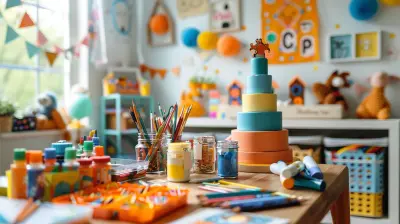
- A Creative Studio: Designate a surface—a low table, a wall-mounted easel, or a chalkboard/whiteboard wall—for art, building, and sensory play. Ensure this zone has easy access to supplies in labeled, open bins to promote independence and tidy-up.
The Power of Imaginative Play Structures
Move beyond simple tents. Dream house design for kids can incorporate more permanent, architectural elements that feel like a secret world within a room.
- Loft Beds with Integrated Play Space: A classic for good reason. The space underneath can become a shop, a castle, a secret laboratory, or a cozy lounge. Add curtains, string lights, and themed accessories to complete the illusion.
- Themed Canopies and Drapes: Transforming a corner or the entire bed area with flowing fabrics—think clouds, stars, or jungle vines—instantly creates a magical atmosphere. Use tension rods or ceiling hooks for a damage-free installation.
- Wall-Mounted Play Elements: A climbing wall with colorful holds, a pegboard wall for hanging toys and creating vertical art, or a magnetic wall (with sheet metal) for magnetic toys and stories add dynamic, three-dimensional play opportunities.
Pillar 2: Prioritizing Safety and Well-being
A dream space must first be a safe space. Dream house design for kids requires meticulous attention to physical and psychological safety.
Physical Safety: Non-Negotiables
- Furniture Anchoring: Every tall or heavy piece of furniture—bookshelves, dressers, wardrobes—must be securely anchored to the wall studs. This is the single most important safety step to prevent tip-over accidents.
- Rounded Edges and Corner Guards: Opt for furniture with rounded edges. For existing sharp corners on tables or hearths, use high-quality, durable corner guards.
- Window Safety: Ensure windows have secure locks and consider cordless blinds to eliminate strangulation hazards. If a window is low, use window guards or stops to prevent falls.
- Non-Toxic Materials: Choose paints, finishes, adhesives, and furniture labeled VOC-free or Low-VOC. Look for certifications like GREENGUARD Gold, which ensures products meet rigorous chemical emissions standards for healthier indoor air quality—a critical factor for children’s developing respiratory systems.
- Secure Cords and Outlets: Hide electrical cords behind furniture or use cord shorteners. Use tamper-resistant outlet covers on all unused outlets.
Psychological Safety and Calm
A child’s room should be a retreat, not an overstimulating zone.
- Color Psychology: While bright colors are fun for accents, the dominant color palette should lean towards calming, soothing tones. Soft blues, gentle greens, warm neutrals, and lavenders promote rest and focus. Reserve vibrant reds, oranges, and yellows for accents, toys, or art.
- Clutter Management: A visually chaotic space can lead to a mentally chaotic state. Ample, accessible storage is the backbone of a peaceful kids' room. Use open bins for toys (labeled with pictures for pre-readers), closed cabinets for less appealing clutter, and shelves for display and books. Teach your child where everything belongs—this fosters responsibility and order.
- Controlled Lighting: Install dimmer switches for overhead lights. Use warm-toned bulbs (2700K-3000K) instead of cool, blue-toned light which can disrupt sleep patterns. Blackout curtains are essential for quality sleep, especially in summer months.
Pillar 3: Functionality and Smart Storage Solutions
A dream house design for kids that isn’t functional will quickly become a parent’s nightmare. The goal is a "yes" space—a room where a child can independently access what they need and put it away.
The Art of "Little" Furniture
Furniture scaled to a child’s size is empowering. It allows them to reach, choose, and manage their own environment.
- Low Shelving and Open Storage: Install shelves at a height your child can easily reach. This encourages book selection and toy rotation without adult assistance.
- Child-Sized Table and Chairs: For drawing, playdough, or snacks, a small table they can pull up to independently is invaluable.
- Low Hooks and Rods: For frequently worn clothes, costumes, or bags, place hooks within easy reach. A low, extendable clothing rod in the closet allows them to select their own outfits.
Clever, Multi-Functional Storage
- Under-Bed Storage: Utilize this prime real estate with rolling drawers or bins on casters for off-season clothes, extra bedding, or large toy collections.
- Ottomans and Benches with Storage: Perfect for storing board games, dress-up clothes, or craft supplies while providing seating.
- Wall-Mounted Solutions: Floating shelves, wall pockets for magazines/books, and pegboards (mentioned earlier) free up valuable floor space.
- The "One In, One Out" Rule: Incorporate this system early. Have a dedicated bin for toys to be donated or rotated. When a new toy comes in, an old one must go out. This teaches valuable lessons about generosity and limits clutter.
Pillar 4: Flexibility for Growth and Changing Interests
The most successful dream house design for kids is one that doesn’t require a full renovation every two years. It must be adaptable.
Neutral Foundations with Swappable Accents
- Walls: Paint large surfaces in versatile, neutral colors—soft whites, warm grays, pale taupes, or muted greens. These serve as a blank canvas for changing decor. One accent wall can be a slightly bolder color or even a chalkboard/magnetic paint for evolving art.
- Furniture: Invest in high-quality, timeless core pieces: a sturdy bed frame, a classic dresser, a versatile desk. Avoid furniture with built-in, theme-specific motifs (like a race car bed). These neutral pieces will last through elementary school, middle school, and beyond with simple updates.
- Textiles and Decor: This is where you inject personality and change. Themes live in the linens, curtains, wall art, pillows, and rugs. These items are relatively inexpensive and easy to swap as interests change. A dinosaur-themed quilt and rug can be replaced with a galaxy-themed set a few years later without touching the walls or major furniture.
Furniture That Grows
- Convertible Cribs/ Toddler Beds: Many cribs convert to toddler beds and then to daybeds.
- Adjustable Height Desks and Chairs: Look for desks with adjustable legs or a "grow-with-me" mechanism. An ergonomic chair with adjustable height and back support is a wise investment for posture.
- Modular Shelving: Systems like the IKEA KALLAX are perfect. Cubes can be configured in countless ways, and you can add doors, drawers, or baskets as storage needs change.
Pillar 5: Personalization and Child Involvement
A room that reflects your taste but not theirs will never feel like a true dream space. Involving your child in the design process is a critical part of dream house design for kids.
Collaborative Design Decisions
- Offer Curated Choices: Instead of "What color do you want?" (which might yield "rainbow glitter"), present 2-3 pre-approved, cohesive color palettes. Let them choose the final one.
- Let Them Lead on Decor: Allow them to select their own bedding, a special lamp, or the art for their walls. Frame their own drawings or creations. This builds pride of ownership.
- Create a "Me" Wall: Dedicate a gallery wall to their own artwork, photos, awards, and special treasures. Use uniform frames for a cohesive look that can easily evolve.
- Incorporate Their Collections: Does your child collect rocks, shells, stuffed animals, or toy cars? Designate a special display area—shelves, shadow boxes, or a dedicated "museum" shelf. This validates their passions.
Designing for Their Current Developmental Stage
- Toddlers (1-3): Focus on safety, soft flooring, low storage, and open floor space. Themes can be simple: animals, vehicles, nature. Include a small, cozy tent or canopy for quiet time.
- Preschoolers (3-5): Imagination explodes. Prioritize dramatic play corners (kitchen, workshop, castle), accessible art supplies, and a defined reading nook. Start introducing simple organization systems with picture labels.
- Elementary Age (6-12): Needs shift towards homework, hobbies, and socializing. A proper desk with storage is key. Display space for collections and awards becomes important. Allow for more personal expression in decor. A small lounge area with floor cushions for friends is a great addition.
- Tweens/Teens (13+): Privacy and identity are paramount. They will likely want a more "mature," sophisticated space. Let them take the creative lead. Focus on good lighting for studying, comfortable seating, and tech integration (charging stations, cable management). The neutral foundation you built years ago will now pay off, requiring only decor updates.
Practical Examples and Actionable Tips
Let’s bring these principles to life with specific, actionable ideas.
Budget-Friendly Dream Upgrades
You don’t need a huge budget to make a big impact.
- Paint an Accent Mural: Instead of expensive wallpaper, use a stencil or freehand a simple mountain range, cloudscape, or geometric pattern on one wall.
- DIY Canopy: Create a magical canopy over the bed or reading nook using a embroidery hoop, ribbon, and fabric, or tension rods and a sheet.
- Repurpose and Upcycle: An old wooden crate becomes a toy storage bin. A painted wooden ladder leans against the wall as a blanket ladder. A piece of plywood on storage cubes becomes a simple play table.
- String Light Magic: Fairy lights or globe string lights add instant whimsy and warm ambiance. Drape them over a bed, around a mirror, or inside a canopy.
Addressing Common Questions
Q: My child’s room is tiny. How can I fit everything?
A: Go vertical and multi-functional. Use a loft bed to free up floor space for play. Install high, floating shelves for storage of less-used items. Choose a bed with deep under-bed drawers. Use a Murphy desk that folds down when needed. Every piece of furniture should serve at least two purposes (e.g., storage ottoman, bench with hidden toy bins).
Q: How do I get my child to keep the room tidy?
A: Make it easy and make it a game. Systems are everything. Have a "home" for everything with clear labels (photos for young kids). Keep toy storage at their level. Implement a simple nightly routine: "Before bath, let’s get all the blocks back in their bin." Use a timer for a "10-minute tidy-up challenge." Praise the effort, not just the perfect result.
Q: What if my child’s tastes change drastically?
A: This is where your neutral foundation strategy shines. If the "dinosaur" phase ends, you can pack away the dinosaur bedding and posters. The neutral walls and classic furniture remain. The new "space" theme can be introduced with a new galaxy quilt, star stickers (removable), and a rocket ship lamp. The room’s core identity stays intact.
Conclusion: Building More Than a Room
Dream house design for kids is an act of love and intention. It’s the process of crafting an environment that whispers, "You are safe here. You can imagine anything here. You belong here." By focusing on imagination, safety, functionality, flexibility, and personalization, you create more than just a beautifully decorated room. You build a foundation for confidence, creativity, and calm. You give your child a personal haven where they can dream their biggest dreams, explore their newest interests, and simply be themselves. Start with the neutral base, invest in key adaptable furniture, and then let your child’s personality shine through in the details they choose. The result will be a space that truly feels like home—a dream realized, not just for them, but for the entire family.