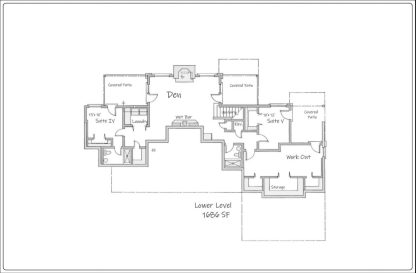
How To Become A House Plan Designer: Your Complete Career Blueprint
Ever wondered who turns dream homes into buildable blueprints? Who sketches that perfect kitchen layout or ensures the morning sun floods the living room? The answer is the house plan designer—a creative problem-solver who sits at the intersection of art, engineering, and client wishes. If you’ve ever admired a home’s flow or been frustrated by a poorly designed space, you might be asking: how to become a house plan designer? This comprehensive guide unpacks the entire journey, from foundational education to launching a thriving career in residential design. We’ll move beyond vague advice to give you a concrete, actionable roadmap, whether you’re a recent graduate, a career changer, or an enthusiast ready to go pro.
The path is more defined than you might think, blending formal training, technical mastery, and a sharp creative eye. It’s not just about drawing pretty pictures; it’s about understanding building codes, structural integrity, material science, and human behavior. By the end of this article, you’ll have a clear picture of the skills you need, the credentials that matter, and the strategies to build a portfolio that gets you hired or attracts your first clients. Let’s start building your future, one plan at a time.
Understanding the Role: More Than Just Drawing Floors
A house plan designer—often called an architectural designer, residential designer, or building designer—specializes in creating the functional and aesthetic layouts for homes. Their core responsibility is to translate a client’s vision, budget, and site constraints into a detailed set of construction documents. This is distinct from a licensed architect, who typically handles more complex commercial projects, has broader legal responsibilities, and is licensed to sign off on a wider range of structures. In many regions, a house plan designer focuses on single-family homes, townhouses, and smaller multi-family units, operating under the umbrella of residential design.
On a daily basis, a house plan designer’s tasks are wonderfully varied. They begin with client consultations, discussing lifestyle needs, aesthetic preferences, and budget. Then, they move to conceptual sketching, either by hand or digitally, exploring different spatial arrangements. The bulk of the work involves technical drafting using Computer-Aided Design (CAD) or Building Information Modeling (BIM) software to produce precise floor plans, elevations, sections, and details. Crucially, they must integrate building codes (like the International Residential Code or IRC), zoning laws, and structural requirements into every line they draw. They also coordinate with engineers, contractors, and clients throughout the design and construction process, often visiting job sites to resolve issues. It’s a career that demands equal parts creativity, technical precision, and project management.
The industry landscape is shifting. While traditional drafting firms and architectural offices remain major employers, there’s significant growth in specialized residential design firms and freelance/consultant designers. Many designers now work directly with homeowners, builders, or real estate developers. According to the U.S. Bureau of Labor Statistics, employment for architectural and civil drafters—a closely related field—is projected to show little or no change from 2022 to 2032, but opportunities within specialized residential design and custom home building are expected to grow with the housing market and the persistent demand for customized, sustainable homes. The rise of remote work has also fueled demand for well-designed home offices and adaptable floor plans, creating a niche for savvy designers.
Educational Pathways: Building Your Foundation
There is no single, mandated degree to become a house plan designer, which is both an opportunity and a challenge. The most common and respected route is an associate’s or bachelor’s degree in a relevant field. An Associate of Applied Science (AAS) in Architectural Technology or Drafting and Design is a popular, focused two-year program that heavily emphasizes technical skills, CAD software, and building fundamentals. A Bachelor of Science in Architecture or Interior Architecture provides a more comprehensive, four-year education that includes design theory, history, and advanced technology, often opening doors to more senior roles or future licensure.
For those unable to pursue a full degree, certificate programs and focused diplomas from community colleges or technical schools offer a viable alternative. These programs, often lasting 1-2 years, are intensely practical, zeroing in on CAD/BIM software proficiency, residential construction methods, and code compliance. They are excellent for career changers or those with a related background (like construction) looking to formalize their skills. The key is ensuring the program is accredited and has a strong reputation with local employers.
Beyond formal education, self-directed learning is a powerful complement. This includes:
- Online Courses & Tutorials: Platforms like LinkedIn Learning, Coursera, and Udemy offer courses on specific software (Revit, SketchUp Pro), sustainable design principles, and universal design.
- Industry Publications: Subscribing to magazines like Fine Homebuilding, Residential Architect, or Dwell keeps you current on trends, materials, and case studies.
- Code Study: Regularly reviewing the International Residential Code (IRC) and your local amendments is non-negotiable. Many jurisdictions offer online access or study guides.
The most successful designers blend a formal educational foundation with a commitment to lifelong learning. Building codes are updated every three years, software evolves constantly, and design trends shift. Treat your education as an ongoing process, not a one-time event.
Mastering Essential Skills: The Designer’s Toolkit
Technical prowess is the table stakes. You must achieve mastery of industry-standard software. Autodesk Revit is the dominant BIM platform, allowing for intelligent 3D modeling where elements like walls and windows are data-rich objects. AutoCAD remains the standard for 2D drafting and detail work. SketchUp is favored for its intuitive 3D modeling, great for early massing and client presentations. Chief Architect is a powerful, residential-specific software that integrates drafting, 3D modeling, and rendering. Invest time in becoming highly proficient in at least one BIM and one 2D drafting tool. This technical fluency is your primary value proposition to employers and clients.
However, software is just a tool. The creative and spatial reasoning skills are what make you a designer, not a drafter. This includes space planning—the art of arranging rooms and furniture for optimal flow, function, and proportion. It involves understanding human dimensions and ergonomics (how people actually move and use a space). Visualization skills are critical; you must be able to imagine a space in three dimensions from a 2D plan and communicate that vision through hand sketching, massing models, and photorealistic renderings.
Equally important are the soft skills that define a professional. Client communication is paramount. You must listen actively, ask probing questions, manage expectations, and explain complex technical concepts in plain language. Project management keeps designs on schedule and budget. Attention to detail is legendary in this field; a single misplaced wall or incorrect dimension can cause costly construction errors. Problem-solving is daily work—a client wants a cantilevered deck on a sloped lot, or a beam must be relocated. You must find code-compliant, structurally sound, and aesthetically pleasing solutions. Cultivate these skills as diligently as your software knowledge.
Building a Winning Portfolio: Your Visual Resume
Your portfolio is your most important asset. It’s not just a gallery of finished drawings; it’s a strategic narrative of your skills, design philosophy, and process. For aspiring designers, the portfolio is often the difference between getting an interview or being ignored. Start building it from day one of your education or training, even with academic projects.
A strong portfolio should include:
- Full Set of Construction Documents: Show you can produce a complete, coordinated set. Include a site plan, floor plans for all levels, building elevations, key building sections, and a few typical details (like a wall section or stair detail).
- Design Process Documentation: Include early bubble diagrams, conceptual sketches, and massing models. This shows your thinking, not just your final output. It demonstrates how you solve problems.
- 3D Visualizations & Renderings: High-quality exterior and interior perspectives. These are essential for client sales and showing your aesthetic sense. Use software like Enscape, Twinmotion, or Lumion for quick, impressive renders.
- Special Projects: If you have a niche—like tiny homes, accessible/universal design, or historical renovations—showcase it. Specialization makes you memorable.
Presentation matters. Use a clean, professional platform like Adobe Portfolio, Behance, or a simple, well-designed PDF. Each project should have a concise brief: the client’s goal, your design solution, key challenges, and the tools used. Quality over quantity; 4-6 stellar, complete projects are far better than 20 incomplete ones. If you lack real client work, create speculative projects—design a home for a specific, challenging site or for a well-defined fictional client profile. Treat it as a real project, with research and a compelling narrative.
Gaining Real-World Experience: From Classroom to Job Site
Formal education provides the foundation, but experience is the currency of the house plan design world. The most direct path is through internships or co-op positions during your studies. Seek roles at residential architectural firms, custom home builders, or large design/build companies. Your goal is to observe the full process, from initial client meeting to construction administration. Ask to be involved in drafting under supervision, code look-ups, and even site visits.
For career changers or graduates, entry-level positions like architectural drafter or junior designer at a firm are the standard entry point. Here, you’ll produce working drawings under the guidance of a senior designer or architect. Embrace the repetitive tasks; they build accuracy and familiarity with standard details. Pay close attention to how senior staff solve problems and interact with clients and contractors.
Freelancing and contract work is another viable, though riskier, path. Platforms like Upwork or Fiverr can connect you with small projects—additions, remodels, or simple new homes. This builds client management skills and a diverse portfolio quickly, but it requires discipline in billing, contracts, and marketing. It’s often best pursued after gaining some firm-based experience.
Networking is non-negotiable. Join professional organizations like the American Institute of Building Design (AIBD) or your local home builders association (HBA). Attend their meetings, seminars, and home tours. Connect with local builders, real estate agents who specialize in new construction, and landscape architects. Many jobs come through referrals. Informational interviews with practicing designers are invaluable for learning the local market and uncovering unadvertised opportunities.
Navigating Licensing and Certifications: What’s Required?
This is a critical and often confusing area. The title "architect" is legally protected and requires a professional license, involving a professional degree (B.Arch or M.Arch), a multi-year internship (AXP), and passing the Architect Registration Examination (ARE). House plan designers typically operate under different, less stringent rules, but these vary dramatically by state, province, or country.
In many U.S. states, you can practice as a "residential designer" or "building designer" without an architect’s license, provided you work on structures below a certain size or complexity (often defined by number of stories, square footage, or number of units). However, some states like California, Florida, and New York have strict title acts or practice acts that require registration or licensure for anyone preparing plans for permit, even for single-family homes. You must research the specific laws in your jurisdiction. The National Council of Architectural Registration Boards (NCARB) and your state licensing board are essential resources.
Even where not legally required, professional certification significantly boosts credibility. The Certified Building Designer (CBD) certification from the AIBD is the gold standard for residential designers. It requires a combination of education, experience, and passing an exam covering design, codes, construction, and business practices. The NCIDQ (National Council for Interior Design Qualification) is relevant if your work heavily overlaps with interior space planning. Pursuing these certifications demonstrates a commitment to the profession, knowledge of current codes, and ethical practice, making you more attractive to clients and employers.
Launching Your Career: Job Search to Self-Employment
With education, skills, and a portfolio in hand, the job search begins. Targeted applications are key. Don’t just blast your resume. Research firms whose work you admire. In your cover letter, mention specific projects and explain how your skills align with their needs. Highlight your proficiency in their preferred software and your understanding of their local market’s codes and styles.
When interviewing, be prepared to walk through your portfolio projects in detail. Expect technical questions about code compliance (e.g., "What’s the minimum stair width in the IRC?" or "Explain egress window requirements."). Be ready to discuss how you handled a design conflict with a client or contractor. Show enthusiasm for the firm’s specific niche—whether it’s modern farmhouses, luxury estates, or affordable housing.
For those aiming for self-employment, the path is: Portfolio → First Clients → Business Foundation. Your initial clients will likely come from your network (former colleagues, friends, family) and your online presence. Before going full-time, establish your business structure (LLC, S-Corp), get professional liability insurance, and set up clear contracts and fee structures (hourly vs. fixed-fee per square foot). Marketing is ongoing: maintain an updated portfolio website, be active on Instagram and Pinterest showcasing your designs, and consider content marketing (blogging about design trends or code updates) to build authority.
Future Trends and Specializations: Staying Ahead
The house plan design field is evolving. Sustainability and energy efficiency are no longer niches; they are mainstream expectations. Familiarize yourself with passive house principles, net-zero energy design, sustainable material lists, and programs like LEED for Homes or ENERGY STAR. Universal and accessible design is a growing, vital specialization as the population ages, focusing on creating homes usable by all people, regardless of age or ability.
Technology integration is another frontier. Designers must now plan for smart home infrastructure—conduit for wiring, dedicated circuits, and tech-friendly room layouts. 3D printing is being explored for custom building components. Virtual reality (VR) walkthroughs are becoming a standard client presentation tool. Staying current with these technologies provides a significant competitive edge.
Consider developing a specialization. You could become the go-to expert for infill urban townhomes, mountain lodge-style homes, multi-generational homes with separate living quarters, or high-performance custom homes. A niche allows you to charge premium rates, build a strong reputation, and become deeply knowledgeable in a specific set of challenges and solutions.
Conclusion: Your Blueprint for Success
Becoming a successful house plan designer is a marathon, not a sprint. It demands a unique blend of technical discipline and creative intuition, of structured learning and relentless curiosity. The journey involves deliberate steps: obtaining the right education, mastering the essential digital tools, building a compelling portfolio that tells your story, gaining practical experience under mentorship, and understanding the legal landscape of your region. It’s a profession where your work will be lived in, built upon, and cherished for generations—a profound responsibility and an incredible reward.
The market for thoughtful, code-savvy, and client-focused residential designers is strong and will remain so as long as people seek shelter, comfort, and beauty in their homes. Your passion for space, light, and flow is the starting engine. Now, equip it with the skills, credentials, and business acumen outlined here. Start sketching, start learning Revit, start talking to designers in your area. Your first set of plans, your first happy client, your first home that you designed from the ground up—that’s the milestone that marks your true beginning. The blueprint for your career is yours to draw. Pick up your pencil, or your mouse, and start.