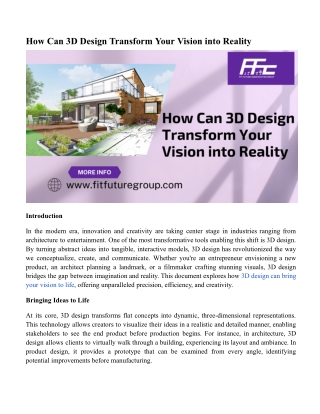
Transform Your Vision Into Reality: 10 Dream House Project Ideas To Inspire Your Perfect Home
Have you ever caught yourself daydreaming about the perfect place to hang your hat? That one special home where every corner feels uniquely yours, where morning light hits your kitchen just right, and where you can truly unwind? You’re not alone. In fact, a recent survey revealed that over 75% of homeowners admit to having a detailed dream house project in mind, a vision that evolves with their life’s chapters. But turning that ethereal daydream into a tangible blueprint can feel overwhelming. Where do you even start? This guide is your comprehensive roadmap, packed with actionable dream house project ideas to move you from fantasy to foundation. We’ll explore everything from foundational principles to futuristic tech, ensuring your project is not only beautiful but also smart, sustainable, and perfectly suited to you.
What Does Your Dream House Really Mean to You? Defining the Core Vision
Before you sketch a single line or browse a single swatch, you must anchor your project in a clear, personal definition. Your dream house is more than square footage and trendy finishes; it’s a physical manifestation of your values, lifestyle, and aspirations. Is it a serene sanctuary for quiet mornings? A vibrant hub for entertaining dozens? A multigenerational haven for family? Taking the time for deep introspection is the most critical—and often skipped—step in any successful home project.
Start by creating a "Life in This House" narrative. Don’t just list rooms; describe a typical Tuesday. "I wake up, walk my dog in the fenced backyard, make coffee in a kitchen open to the living room, and work from a sunlit office nook." This narrative reveals non-negotiable needs: a home office, a pet-friendly space, an open floor plan. Next, identify your core values. Is sustainability paramount? Prioritize passive solar design and recycled materials. Is creativity central? Dedicate a studio space with optimal lighting and storage. Finally, distinguish between needs and wants. A needs list includes bed count, accessibility features, and storage. A wants list might include a freestanding tub or a wine cellar. This clarity prevents budget bleed and ensures every decision aligns with your ultimate goal. Your dream house is a story—you are the author. Write the first chapter with intention.
Choosing the Perfect Location: More Than Just a Pretty View
The oft-repeated real estate mantra "location, location, location" is your project’s launchpad. A stunning design on an incompatible lot is a recipe for regret. Your dream house location must harmonize with your lifestyle, future plans, and the land itself. This isn’t just about urban vs. suburban; it’s about micro-communities, topography, and long-term viability.
First, analyze your lifestyle priorities. Do you crave walkability to cafes and transit? An urban infill lot or a townhome in a walkable neighborhood is key. Do you prioritize space, privacy, and nature? A rural or suburban lot with acreage calls for different considerations like well/septic and road maintenance. Next, scrutinize the physical characteristics of the land. A sloped lot offers dramatic views and a walkout basement but increases foundation and excavation costs exponentially. A flat lot is easier to build on but may require more landscaping for privacy. Soil quality is paramount—poor soil can lead to costly foundation repairs. Always get a professional geotechnical survey before purchasing. Finally, research regulatory hurdles. Zoning laws dictate what you can build (height, setbacks, accessory dwelling units). Homeowners associations (HOAs) can impose strict aesthetic rules. A seemingly perfect lot in an area with restrictive covenants could kill your modern farmhouse dream. Invest in a knowledgeable local real estate agent and land-use attorney early. The right location doesn’t just support your dream house; it actively enhances your daily life for decades to come.
Architectural Styles That Tell Your Story: From Modern to Traditional
With a vision and a lot, the architectural style becomes your home’s visual language. This choice sets the tone for every exterior material, roofline, and window shape. The key is selecting a style that resonates authentically with you, not just one that’s trending on social media. Let’s explore how to match a style to your personality and practical needs.
- Modern/Contemporary: Characterized by clean lines, large expanses of glass, flat or low-pitched roofs, and an emphasis on indoor-outdoor flow. This style is ideal for those who value minimalism, open spaces, and a connection to the landscape. Practical tip: Large glass walls are stunning but require careful consideration of orientation for energy efficiency and privacy.
- Farmhouse: Blends rustic charm with modern comfort. Think gabled roofs, board-and-batten siding, large front porches, and a practical, open interior. This style evokes warmth, hospitality, and timeless appeal. It’s incredibly versatile, from a cozy cottage to a sprawling estate.
- Craftsman/Bungalow: Focuses on handcrafted details, natural materials (stone, wood), low-pitched roofs with wide eaves, and built-in furniture. It feels grounded, honest, and artisanal. Perfect for those who appreciate craftsmanship and a cozy, human-scale environment.
- Mediterranean: Draws from Spanish, Italian, and Greek influences. Features include stucco walls, terra-cotta tile roofs, arched doorways and windows, and interior courtyards. It’s designed for warm climates, offering natural cooling and a resort-like, Old World elegance.
- Minimalist: Takes modernism to an extreme, focusing on essential forms, monochromatic palettes, and a complete lack of ornamentation. It requires immense discipline in material selection and hidden storage. This style is for the purist who finds beauty in simplicity and order.
How to choose? Look at your wardrobe, your art preferences, your favorite travel destinations. Do you lean towards sleek silhouettes or textured layers? Your architectural style should feel like a natural extension of your personal aesthetic. Remember, you can also blend elements—a modern farmhouse, for example—to create something uniquely yours.
Interior Design: Where Comfort Meets Personality
The interior is where your dream house project truly comes to life and becomes a home. This is the art of balancing aesthetics with livability. A common pitfall is designing for an "ideal" look that doesn’t match how you actually live. The goal is a space that is both beautiful and deeply functional.
Start with the floor plan’s flow. An open-concept layout is popular for its sociability, but consider acoustic privacy. Can you have a quiet reading nook away from the TV room? Think about work zones: a drop zone near the main entrance for keys and bags, a dedicated command center for bills and mail, and ample, accessible storage in every room (mudrooms, linen closets, garage storage). Lighting is a non-negotiable layer. Plan for a combination of ambient (overhead), task (under-cabinet, reading lights), and accent (art, architectural features) lighting on separate switches. This allows you to set the mood for any occasion. Material selection should be both tactile and durable. For a family with kids and pets, a pristine white marble countertop might be a source of anxiety, whereas a honed quartz or soapstone could offer similar elegance with less stress. Finally, infuse personality through curated elements. This isn’t about cluttering; it’s about intentional displays: a gallery wall of family travels, a built-in bookshelf for your collection, a statement piece of furniture you love. Your home should tell your story without saying a word.
Sustainable Living: Building for the Future, Responsibly
Modern dream house project ideas are incomplete without a serious commitment to sustainability. This isn’t just about installing solar panels (though that’s a great start). True sustainable design is a holistic approach that reduces environmental impact, lowers long-term operating costs, and creates a healthier indoor environment for you and your family. It’s an investment that pays dividends in comfort and conscience.
High-Impact Building Envelope Strategies: The building envelope—your walls, roof, windows, and foundation—is where most energy is lost or gained. Invest in superior insulation (spray foam, rigid board) and high-performance windows (double or triple-pane, low-E coatings). Proper air sealing is equally critical. These measures can reduce heating and cooling costs by 20-30% and prevent moisture-related issues. Passive solar design is a free, powerful tool. By strategically placing large windows on the south-facing side (in the Northern Hemisphere), you capture winter sun for heat and use overhangs to block high summer sun. Material selection matters. Opt for rapidly renewable resources (bamboo, cork), recycled content (reclaimed wood, recycled metal), and locally sourced materials to cut transportation emissions. Look for certifications like FSC for wood and Cradle to Cradle for products. Water conservation is key. Install low-flow fixtures, dual-flush toilets, and consider a rainwater harvesting system for irrigation. Indoor Environmental Quality (IEQ) is the health aspect. Use low-VOC or no-VOC paints, adhesives, and finishes to drastically improve indoor air quality. Incorporate mechanical ventilation (like an ERV or HRV) to bring in fresh, filtered air without losing energy. A sustainable home is a comfortable, efficient, and healthy sanctuary that respects the planet.
Smart Home Technology: The Modern Necessity
Technology is no longer a luxury; it’s a seamlessly integrated layer of modern living that enhances security, convenience, and efficiency. When planning your dream house project, think of smart home systems not as gadgets, but as foundational infrastructure, much like plumbing or electrical. The goal is a cohesive, user-friendly system, not a collection of disconnected apps.
Begin with structured wiring. Run Cat6 or higher Ethernet cables to key locations (TV walls, office, security panel, ceiling for access points) for reliable, high-speed connections. This is the backbone for everything. Whole-home audio and video can be distributed through this network. For security and peace of mind, integrate smart locks, video doorbells, and a comprehensive alarm system with cameras that you can monitor from your phone. Lighting control is one of the most impactful upgrades. Smart switches or keypads allow you to create scenes ("Good Morning," "Movie Night") and control lights from anywhere. Pair this with automated shades that adjust based on the time of day or sun position to manage heat and glare. Climate control becomes intelligent with a smart thermostat that learns your schedule and can be zoned for different areas of the house. Finally, consider integrated control hubs like Control4, Savant, or even a robust Apple Home/Google Home setup that can unify these systems into a single, intuitive interface—whether via wall panels, remotes, or voice commands. The magic is in the automation: your lights can turn on as you arrive, your thermostat adjusts when you leave, and your coffee maker starts when your morning alarm goes off. Plan for this infrastructure early in the electrical and low-voltage phases to avoid costly retrofits.
Budgeting Wisely: The Financial Blueprint for Your Dream House
A breathtaking design is only as good as its financial feasibility. Budgeting for a dream house project is where dreams meet reality, and it requires brutal honesty and meticulous planning. The single biggest mistake is underestimating costs. A general rule of thumb is to allocate 15-25% of your total budget as a contingency fund for unforeseen issues—and trust us, they will arise.
Start with a realistic total budget. This isn’t just construction costs. It includes: land purchase, design/architect fees, permits and fees, construction, landscaping, furnishings, and moving costs. Get pre-approval for a construction loan if needed. Hire a professional architect or designer early. Their fee (typically 5-15% of construction cost) is money well spent. They create buildable plans, navigate codes, and help you avoid expensive change orders. They also provide invaluable cost-per-square-foot estimates based on your desired finish level. Prioritize ruthlessly. Divide your wish list into: 1) Non-negotiable needs, 2) Important wants, 3) Nice-to-haves. Direct your budget first to the structural and systemic elements (foundation, roof, HVAC, insulation, windows). These are hardest and most expensive to change later. Then allocate to spaces you use most (kitchen, primary suite). Finally, get multiple, detailed bids from reputable, licensed contractors. A bid is not just a number; it’s a scope of work. Compare line items carefully. The lowest bid is often the riskiest. Check references, visit past job sites, and ensure they are properly insured. Track every expense against your budget using a simple spreadsheet. Communication with your builder about budget concerns as they arise is critical to staying on track.
Learning from Others: Common Dream House Mistakes to Avoid
Why reinvent the wheel? Understanding common pitfalls can save you thousands in dollars and stress. Based on countless homeowner experiences, here are the most frequent dream house project mistakes and how to sidestep them.
- Forgetting Future Needs: Designing solely for your current life stage. Are you planning for a family? Aging in place? A home office? Incorporate flexible spaces (a den that can become a nursery, a ground-floor bedroom suite, wider doorways) during the initial build. It’s exponentially cheaper than remodeling later.
- Sacrificing Function for Form: That stunning, oversized kitchen island with no seating? The beautiful but impractical bathroom layout? Always prototype your design. Use painter’s tape to mark furniture and walkway dimensions on your actual floor plan. Can you open all cabinets? Is there enough counter space flanking the sink and stove? Function dictates beauty in the long run.
- Neglecting Storage: It’s the #1 regret. You can never have too much. Plan for dedicated storage in every zone: entry mudrooms, hall linen closets, bedroom reach-in closets, garage shelving, and attic/basement overflow. Think vertically and utilize awkward spaces.
- Underestimating Site Costs: That gorgeous, wooded lot? The cost of clearing, grubbing, and proper erosion control can be astronomical. A steep slope adds immense foundation and drainage costs. Always get a detailed site evaluation and cost estimate before buying the land.
- Over-Customizing for Resale: While your home should reflect you, avoid highly personal or niche spaces that limit future buyer appeal (e.g., converting all bedrooms into a massive master suite and a home gym, installing a commercial-grade kitchen). Keep unique features reversible or in spaces that can easily be repurposed.
- Skipping the Energy Model: Not investing in a professional energy audit/model during design is a long-term financial mistake. It will pinpoint the most cost-effective upgrades (e.g., "adding 2 inches of attic insulation saves $X/year") and ensure your home is efficient from day one.
Bringing Your Vision to Life: The Step-by-Step Process
With your ideas refined and pitfalls in mind, let’s walk through the typical dream house project timeline. Knowing the sequence demystifies the journey.
- Vision & Budget (Months 1-3): This is the definition phase we covered. Finalize your program (needs/wants), secure your land, and establish your firm total budget with financing in place.
- Design Team Selection & Schematic Design (Months 3-6): Hire your architect and/or interior designer. They will take your program and site and create schematic drawings—initial floor plans and elevations. This is the most creative, iterative phase. Review, revise, and refine until the design feels perfect. This is also the time to finalize your major material palettes.
- Design Development & Engineering (Months 6-9): The design is now fixed. Architects and engineers (structural, mechanical, electrical, plumbing) create construction documents—the detailed, technical drawings used for permitting and building. All major systems, materials, and finishes are specified.
- Permitting & Bidding (Months 9-12): Your team submits plans to the local building department. This phase can vary wildly in length (weeks to months) depending on your jurisdiction. Concurrently, your contractor (often selected during Design Development) finalizes their bid based on the complete documents.
- Construction (Months 12-24+): The physical build begins! This phase includes: site prep/foundation, framing, roofing, building envelope (insulation, windows, siding), rough mechanicals (HVAC, plumbing, electrical), interior finishes (drywall, flooring, cabinets), and final finishes (paint, fixtures, hardware). Regular site visits with your builder are crucial.
- Final Inspections, Punch List & Move-In (Final 1-2 Months): The city conducts final inspections for a Certificate of Occupancy. You and your builder then conduct a punch list walkthrough, identifying any minor items to be corrected. Once complete, it’s time for final cleaning and your move-in!
Throughout, communication is your most powerful tool. Establish a weekly meeting rhythm with your builder to review progress, photos, and upcoming decisions.
Conclusion: Your Dream House Awaits—Start Building Today
Embarking on a dream house project is one of the most profound journeys you can undertake. It’s the ultimate act of creating a space that doesn’t just shelter you, but actively nurtures your life’s ambitions, relationships, and well-being. We’ve navigated the critical pillars: defining your authentic vision, securing the perfect location, choosing an architectural style that speaks your language, designing interiors that blend beauty with brutal functionality, building sustainably for the future, integrating smart technology seamlessly, budgeting with a clear-eyed contingency, and learning from the missteps of others.
Remember, this is a marathon, not a sprint. The most successful projects are built on a foundation of clarity, communication, and patience. Your dream house is not a static, perfect picture; it’s a living, evolving space that will grow with you. Start not with a sledgehammer, but with a pen and paper. Write your "Life in This House" narrative. Clip images that resonate. Have honest conversations about budget and priorities. Then, assemble your trusted team—a skilled architect, a transparent builder, and perhaps an interior designer—who understands that this is your dream, and their role is to be your expert guide.
The world is full of houses, but there is only one dream house for you. It’s the one that feels like coming home the moment you walk in the door. Don’t just imagine it. Begin the project today. Your future self, sipping coffee in that perfectly sunlit nook, will thank you for it.