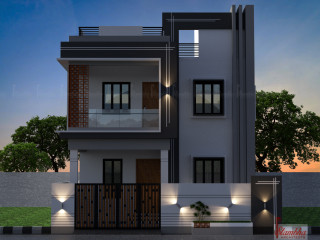
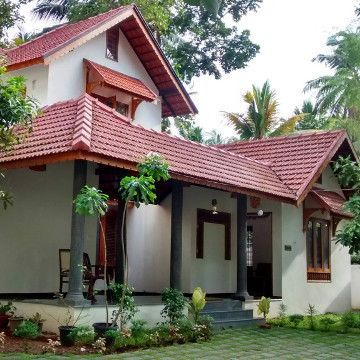
Simple Small House Design Ideas: Maximize Space Without Sacrificing Style
Wondering how to transform your compact living space into a cozy, functional home without a major renovation? You're not alone. In an era where urban density is rising and sustainability is paramount, the allure of simple small house design has never been stronger. These clever spaces prove that square footage isn't a measure of comfort or style. By focusing on intentional design, multi-functional elements, and a minimalist mindset, you can create a sanctuary that feels open, airy, and perfectly tailored to your needs. This guide dives deep into actionable, innovative ideas to help you reimagine every nook and cranny of your small home, turning limitations into your greatest design asset.
The shift towards smaller living is more than a trend; it's a conscious lifestyle choice. Data from the National Association of Home Builders indicates a growing demand for homes under 1,400 square feet, with millennials and downsizers leading the charge. This movement champions quality over quantity, emphasizing smart design that reduces clutter, lowers utility costs, and fosters a deeper connection to one's environment. Whether you're in a tiny apartment, a compact cottage, or building a small house from scratch, the principles remain the same: optimize every inch, prioritize light, and choose furnishings that serve multiple purposes. Let's explore how to apply these principles with creativity and confidence.
Embrace Minimalist Principles for Clutter-Free Living
At the heart of every successful simple small house design lies a foundational philosophy: minimalism. This isn't about stark, uncomfortable spaces; it's about intentional living where every item serves a purpose or sparks joy. Minimalism in small-scale design begins with a rigorous decluttering process. Before buying a single piece of furniture, assess your belongings. Ask yourself: "Do I use this regularly? Does it have a dedicated storage spot?" This honest evaluation prevents unnecessary items from consuming precious space. Adopt the "one in, one out" rule to maintain balance over time.
Beyond physical clutter, minimalist design also means simplifying your aesthetic. Opt for a cohesive color palette—think whites, soft neutrals, and light woods—to create visual calm. Avoid excessive decor; instead, select a few meaningful pieces. A single large artwork can have more impact than a gallery wall of small frames. This "less is more" approach reduces visual noise, making rooms feel larger and more serene. Remember, minimalism is a tool to enhance your life, not a restrictive rule. It frees you from the burden of stuff, allowing your home's architecture and your personal style to truly shine.
Smart Space Planning and Layouts
Effective space planning is the non-negotiable backbone of small house design. The goal is to create a logical flow that feels spacious, not cramped. Start by analyzing your daily routines. Where do you cook, relax, work, and sleep? An open-concept layout is often the gold standard, as it removes visual barriers and allows light to travel freely. However, "open" doesn't mean "undifferentiated." Use furniture to define zones—a sofa can delineate a living area from a dining space, while a console table can separate an entryway.
Consider traffic patterns to avoid bottlenecks. Ensure main pathways are at least 30 inches wide. Place frequently used items within easy reach and store seasonal or rarely used items in high or deep storage. In a studio apartment, a room divider like a open bookshelf or a curtain can offer privacy without sacrificing light. For multi-story small homes, an efficient staircase design is crucial. Spiral stairs save space but can be tricky to navigate; alternating tread stairs are a safer, code-compliant alternative. Always sketch multiple layout options, perhaps using free online tools like Roomstyler or Planner 5D, to visualize how each change affects the room's perception of size and utility.
Multi-Functional Furniture: The Ultimate Space-Saver
When square footage is limited, every piece of furniture must earn its keep. Multi-functional furniture is the superhero of small space design. Think beyond the obvious sofa bed. Consider a storage ottoman that hides blankets and doubles as a coffee table. A daybed with drawers provides seating, sleeping space, and storage in one. In the kitchen, a fold-down table attached to the wall can serve as a prep surface or a casual dining spot that disappears when not in use.
The bedroom is a prime candidate for transformation. A ** Murphy bed**—which folds into the wall—can free up an entire room for daytime activities. Modern versions even integrate with desks or sofas. For children's rooms, a bunk bed with a built-in desk underneath maximizes vertical space. Don't forget modular furniture. Sectional sofas can be reconfigured to suit different needs, and nesting tables tuck away neatly. When shopping, prioritize pieces with clean lines and raised legs; this creates a sense of airiness by allowing sightlines to the floor, making the room feel more open. Investing in custom-built pieces tailored to your exact dimensions can also eliminate awkward gaps and maximize every cubic inch.
Lighting and Color: Visual Expansion Tricks
Light and color are powerful psychological tools that can make a small house feel significantly larger. The guiding principle: maximize natural light. Use sheer curtains or forgo them entirely to let sunlight flood in. Position mirrors strategically opposite windows to bounce light deep into the room. For artificial lighting, employ a layered approach: ambient (overhead), task (under-cabinet, reading lamps), and accent (spotlights on art). Recessed lighting or slim LED strips keep ceilings clear.
Color theory is equally critical. Light, cool colors—whites, pale grays, soft blues—reflect more light and recede visually, creating an illusion of space. A monochromatic scheme, where walls, trim, and large furniture are similar shades, reduces visual breaks. For contrast, add pops of color through accessories like cushions or artwork. Avoid dark, heavy colors on large surfaces; they absorb light and shrink space. However, a dark accent wall on the farthest wall can add depth and draw the eye inward, making the room feel longer. Remember, the ceiling is the "fifth wall." Painting it a light color or even white elevates the perceived height of the room dramatically.
Ingenious Storage Solutions That Disappear
In a small home, storage isn't a luxury; it's a necessity. The best solutions are those that are integrated and invisible. Start with built-ins. Floor-to-ceiling shelving in a living room provides abundant storage without protruding. A window seat with hinged lid offers hidden storage for seasonal items. In the kitchen, pull-out pantries and lazy Susans in corner cabinets access dead space. The area under stairs is a classic opportunity—transform it into a reading nook with built-in shelves or a hidden drawer for shoes.
Think vertical. Use the space up to the ceiling. Tall, narrow cabinets or shelving units take minimal floor area. In the bathroom, a tall, skinny cabinet between the toilet and wall can hold all your essentials. Don't neglect door and wall space. Over-the-door organizers for shoes or cleaning supplies, and wall-mounted racks for pots and pans, free up cabinet room. For clothing, a closet system with double hanging rods and adjustable shelves is key. In entryways, a wall-mounted drop-leaf table with a mirror above provides a spot for keys and mail without a bulky console. The mantra: if it's not used daily, get it off the floor and into a designated, concealed spot.
Bringing the Outdoors In: Blurring Boundaries
One of the most effective ways to expand the perceived size of a small house is to connect it with the outdoors. This creates a seamless flow that visually enlarges interior spaces. Start with large windows and glass doors. If structurally possible, install floor-to-ceiling windows or sliding glass doors that open onto a patio, balcony, or garden. Even a small balcony can become an outdoor room with the right furniture—folding chairs and a bistro table that tuck away.
Indoor-outdoor material continuity enhances this effect. Use the same paving stones or decking material inside and out. Continue a kitchen countertop as an outdoor bar. Plant life is crucial. Place potted plants near windows or on balconies to draw the eye outward. A green wall or vertical garden on an interior wall brings nature inside. If you have a small yard, create a defined outdoor "room" with an area rug, outdoor curtains, and comfortable seating. This extension of living space not only adds usable area but also improves mental well-being by connecting you with nature. Even a well-placed window with a view of a tree or garden can make a room feel less confined.
Sustainable and Cost-Effective Material Choices
Designing a simple small house isn't just about aesthetics; it's an opportunity to make eco-conscious and budget-friendly decisions. Smaller spaces require fewer materials, inherently reducing your carbon footprint and construction costs. Prioritize sustainable, locally-sourced materials like bamboo flooring (fast-growing and durable), reclaimed wood for accent walls or furniture, and recycled glass countertops. These materials often have unique character that adds warmth and story.
For finishes, choose low-VOC paints to improve indoor air quality—a critical factor in tightly sealed small homes. Consider polished concrete floors; they are durable, modern, and can be paired with radiant heating for efficiency. In the kitchen and bath, large-format tiles mean fewer grout lines, creating a cleaner, more spacious look. Don't overlook upcycling. An old ladder can become a bookshelf, a vintage trunk a coffee table. This approach saves money and reduces waste. Investing in high-quality insulation and energy-efficient windows may have a higher upfront cost but will pay dividends in reduced heating and cooling bills, making your small house cheaper to operate long-term.
Real-Life Examples and Inspiration
Theory is great, but seeing these ideas in action is transformative. Consider the "tiny house" movement, where homes under 400 square feet masterfully incorporate all these principles. A popular layout features a loft bedroom accessed by a storage-integrated staircase, a compact kitchen with a pull-out pantry, and a living area with a sofa that converts to a bed. The use of light-colored wood paneling and full-height windows makes the space feel open and connected to the surrounding landscape.
Another inspiring example is the "micro-apartment" trend in dense cities like New York and Tokyo. These 300-500 sq ft units often use transformative furniture: a wall that drops down to become a dining table, a ceiling-mounted bed that lifts up, or a kitchen that slides into a closet. Mirrored walls and glass partitions are common to enhance light and sightlines. Statistically, a study by the Urban Land Institute found that well-designed small units can command rental premiums of 10-15% compared to standard studios, proving that smart design adds tangible value. Browse platforms like Pinterest or Instagram with hashtags like #smallspacedesign or #tinyhouseinterior for endless visual inspiration. Notice how successful designs consistently use the strategies outlined: minimal color palettes, hidden storage, and a strong indoor-outdoor connection.
Conclusion: Your Simple Small House Journey Starts Now
Designing a simple small house is a rewarding exercise in creativity and constraint. It challenges you to prioritize what truly matters, resulting in a home that is efficient, serene, and deeply personal. By embracing minimalist principles, planning your layout with precision, investing in multi-functional furniture, and mastering the illusions of light and color, you can craft a space that feels generously large despite its modest footprint. Remember, the goal isn't to replicate a showroom but to create a functional haven that supports your unique lifestyle.
Start your journey today with one small step: declutter a single drawer or rearrange a corner using the zone-defining techniques discussed. As you implement these simple small house design ideas, you'll discover a newfound appreciation for the power of thoughtful design. Your compact home has the potential to be your most elegant, efficient, and joyful space yet—proof that when it comes to living well, bigger isn't always better.