Small Dream House Design In India: Big Ideas For Compact Living
Have you ever scrolled through Pinterest or Instagram, dreaming of a picturesque home with a picket fence, only to be jolted back to reality by the soaring real estate prices and cramped plots in your Indian city? You’re not alone. The quest for a small dream house design in India is no longer a compromise; it’s a smart, stylish, and increasingly popular revolution in how we perceive space, luxury, and home. It’s about creating a sanctuary that feels expansive, personal, and perfectly tailored to your life, regardless of square footage. This guide dives deep into the art and science of designing your ideal compact home in the Indian context, blending cultural nuances, modern innovations, and practical wisdom.
1. Embracing Urban Realities: The Space Crunch is Your Starting Point
In India’s bustling metros—Mumbai, Delhi, Bengaluru, Chennai—the average plot size for independent homes has shrunk dramatically. According to various real estate reports, the availability of large land parcels in city limits is nearly extinct, pushing compact home designs to the forefront. This isn't a trend; it's a necessity born from urban density. Your small dream house design must begin with a profound acceptance and creative response to this constraint. Instead of viewing limited square footage as a limitation, see it as the primary catalyst for your most innovative design decisions. It forces a focus on essentials, eliminates waste, and prioritizes quality over quantity. The goal shifts from "how big can it be?" to "how brilliantly can it function?" This mindset is the first and most crucial step toward achieving your dream within a compact footprint.
2. Budget-Friendliness Without Compromising on Dreams
A common misconception is that a smaller home automatically means a cheaper build. While the overall cost is lower than a mansion, budget-friendly small house design in India requires savvy planning to avoid costly reworks. The key is in the value engineering—allocating your budget where it matters most. For instance, investing in a superior structural design, waterproofing, and high-quality doors/windows prevents future expenses. Conversely, you can save on finishes by opting for large-format tiles that mimic wood or stone, or using exposed brickwork for an industrial-chic wall that’s both cost-effective and stylish. A well-designed small home often feels more luxurious because every rupee spent is directed toward creating impactful, usable space rather than being diluted across vast, underutilized areas. Think of it as spending on experience rather than extent.
3. Architectural Styles That Celebrate Compactness
India is a treasure trove of architectural wisdom that inherently respects scale. Your small house design can draw inspiration from:
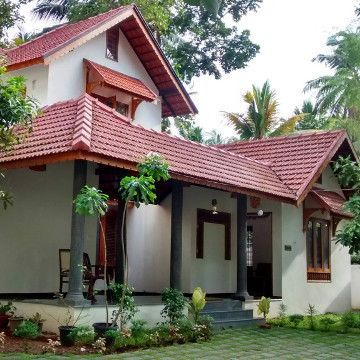
- Kerala's Traditional Homes (Nālukettu): Built around a central courtyard (nadumuttam), these homes use verandahs (chuttu), sloping roofs, and overhangs to create a sense of openness and excellent ventilation, perfect for small plots.
- Goan/Portuguese Influences: Characterized by vibrant colors, large windows with wooden shutters, and compact, colorful homes that maximize indoor-outdoor flow.
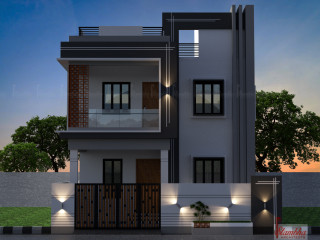
- Modern Minimalist & Contemporary: Clean lines, large glass panes, flat or simple sloping roofs, and a monochromatic palette with bold accent colors make spaces feel larger and more serene.
- Industrial Loft-Style: Using materials like exposed concrete, steel, and reclaimed wood can create an urban, spacious feel. High ceilings and mezzanine floors for storage or a cozy nook are hallmarks of this style.
The style you choose should resonate with your personal taste and the local climate, but all successful styles for small homes share a love for clean lines, uncluttered spaces, and a connection to the outdoors.
4. The Magic of Smart Space Planning and Multi-Functional Areas
This is the heart of small space design in India. Every square foot must earn its keep through multi-functionality.
- The Living/Dining/Kitchen (LDK) Fusion: Instead of separate boxes, an open-plan layout visually expands the home. Use a breakfast counter or a low console to subtly define the dining area from the living space.
- Furniture with a Double Life: A sofa that converts into a guest bed, a dining table that folds down from the wall, a bed with deep storage drawers underneath, or a staircase with built-in drawers—these are non-negotiable for small homes.
- Vertical Space is Your Best Friend: Floor-to-ceiling storage units, tall wardrobes, and loft beds (for children's rooms or a home office nook) utilize volume that would otherwise be wasted air. Think in three dimensions, not just two.
- Niche Utilization: That awkward 2-foot wall between two rooms? Build a floor-to-ceiling bookshelf or a display cabinet. The space under the staircase? Transform it into a cozy reading corner, a pet house, or a pantry.
5. Sustainable and Locally Sourced Materials for Health and Harmony
A sustainable small house design in India is both eco-conscious and deeply practical. Locally sourced materials reduce carbon footprint and cost while often being perfectly suited to the climate.
- Walls: Stabilized mud blocks, fly ash bricks, or laterite stone provide excellent thermal mass, keeping interiors cool in summer and warm in winter. Exposed, they add beautiful texture.
- Flooring: Terracotta tiles, kota stone, or polished concrete are cool underfoot, durable, and require minimal maintenance.
- Finishes: Lime plaster, natural paints (like those from companies using cow dung or plant extracts), and bamboo or reclaimed wood for accents improve indoor air quality.
- Water & Energy: Integrating a rainwater harvesting system, a solar water heater, and large overhangs for passive cooling are investments that pay back quickly and make your small dream home truly self-reliant.
6. Personalization: Infusing Your Soul into Every Corner
A dream home is a reflection of you. In a small space, personalization becomes even more critical to avoid a showroom feel.
- Gallery Wall: A single, curated wall with family photos, travel souvenirs, and small artworks adds immense personality without clutter.
- Statement Piece: Let one element shine—a vibrant Warli art wall, a uniquely carved jharokha window, a bold-colored sofa, or a vintage charkha (spinning wheel) as a decorative artifact.
- Custom Carpentry: Work with a local carpenter to build exactly what you need—a window seat with storage, a custom study desk that fits an alcove perfectly, or a quirky headboard with integrated side tables.
- Textiles & Greenery: Cushions, throws, curtains, and indoor plants (like money plants, snake plants) are the easiest ways to inject color, texture, and life into a compact space.
7. Technology as an Invisible Enabler
Smart home technology for small Indian homes isn't about flashy gadgets; it's about seamless convenience and space-saving.
- Lighting: Use layered lighting—ambient, task, and accent. Smart bulbs and switches allow you to change scenes (e.g., "movie night," "dinner party") from your phone, making a small space adapt instantly to your mood.
- Home Automation: Motorized blinds, smart locks, and a centralized control for fans, ACs, and lights reduce the need for multiple switches and remotes, decluttering walls.
- Hidden Tech: Consider a retractable projector screen instead of a bulky TV, or in-wall speakers for audio without floor-standing units. The goal is to have technology serve you without dominating your visual space.
8. Navigating Legal and Regulatory Landscapes (Vastu, RERA, Local Bye-Laws)
This is the unglamorous but essential part of your small house design in India journey.
- Vastu Shastra: Many Indian families wish to incorporate Vastu principles. Key considerations include main entrance direction, placement of puja room, kitchen (south-east ideal), and bedrooms. A good architect can creatively integrate these guidelines without compromising on modern design or functionality. For example, if a south-east kitchen isn't possible, compensatory measures like placing the stove in that quadrant of the kitchen can be suggested.
- Local Municipal Bye-Laws: Know the Floor Space Index (FSI) or Floor Area Ratio (FAR) for your plot. This dictates the total built-up area allowed. Understanding setbacks (how far the building must be from the plot boundary) is crucial for maximizing your small footprint.
- RERA & Approvals: If you're working with a developer for a plotted development or an apartment, ensure the project is RERA-registered. For independent homes, secure all necessary building permissions from your local municipal corporation before breaking ground.
9. Future-Proofing Your Compact Abode
Design for the next 10-15 years, not just today.
- Flexible Spaces: Design a guest room that can also be a home office or a child's study. Use sliding doors or room dividers that can reconfigure spaces as family needs change.
- Accessibility: Even if you're young now, consider wider doorways (at least 36 inches), a ground-floor bedroom/bathroom possibility, and lever-style door handles. These are small additions that make aging-in-place possible.
- Infrastructure: Oversize electrical conduits and plumbing lines in walls where you might add a bathroom or kitchen later. It’s cheaper to do during construction.
10. The Emotional Core: Why a Small Dream House is the Ultimate Luxury
Ultimately, a small dream house design in India transcends square footage. It represents a conscious choice—to spend less time maintaining a large house and more time living. It fosters togetherness in a cozy, well-designed space. It reduces financial stress, allowing you to allocate resources toward experiences, travel, or your children's education. The emotional satisfaction of a perfectly curated, efficient, and beautiful home that feels just right is a profound luxury. It’s the luxury of simplicity, of intentionality, of knowing that every corner of your home has a purpose and a story. It’s not a small house; it’s a perfectly sized life.
Conclusion: Your Compact Canvas Awaits
Designing your small dream house in India is an exciting puzzle where creativity, pragmatism, and personal expression converge. It begins with shifting your perspective—seeing constraints as catalysts for innovation. By embracing smart space planning, drawing from India's rich architectural heritage, integrating sustainable materials, and future-proofing your design, you can create a home that is not only a shelter but a profound source of joy. Remember, the most memorable homes are not measured by their size, but by the life, love, and laughter they contain. Start with your list of must-haves, consult with a architect who understands compact living, and begin building not just a house, but your perfectly sized dream.