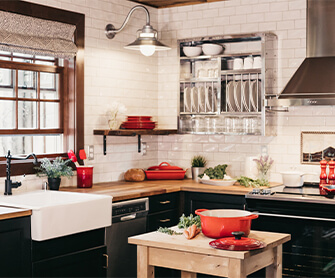
Transform Your Cooking Space: 10 Stunning New Home Kitchen Design Ideas Indian Style
Dreaming of a kitchen that beautifully blends India’s rich culinary traditions with contemporary elegance? You’re not alone. For millions of Indian homeowners, the kitchen is the sacred heart of the home—a bustling, vibrant space where generations of recipes come to life. But designing a new kitchen in today’s world presents a unique challenge: how do you create a space that honors traditional cooking methods (like deep-frying, tadka, and using multiple spices) while embracing modern aesthetics, efficiency, and smart technology? The answer lies in thoughtful Indian-style kitchen design that prioritizes functionality, cultural nuances, and visual warmth. This guide dives deep into innovative, practical, and beautiful design ideas tailored specifically for the Indian home, ensuring your new kitchen is as efficient as it is inviting.
Understanding the Soul of an Indian Kitchen: Function First
Before diving into paint swatches and fancy appliances, it’s crucial to understand what truly makes an Indian kitchen tick. Unlike Western kitchens that might focus on baking and light prep, an Indian kitchen is a high-energy workshop. It deals with intense heat, potent aromas, a dizzying array of spices, oils, and multiple vessels. A successful design starts by acknowledging these core needs.
The holy trinity of an Indian kitchen is storage, ventilation, and durable surfaces. You need ample, organized space for your masala dabba (spice box), multiple types of lentils, oils, and a vast collection of utensils—from heavy kadhis to large tawas. Ventilation is non-negotiable; powerful chimneys and exhaust fans are essential to combat smoke and greasy fumes. Countertops and flooring must withstand daily abuse from hot pans, spilled turmeric, and constant chopping. Materials like black granite, quartz, or robust engineered stone are popular choices for their heat resistance and ease of cleaning. Recognizing these fundamental requirements is the first step toward a kitchen that truly works for you and your family’s cooking style.
1. Layouts That Maximize Space and Flow for Indian Homes
The layout is the skeleton of your kitchen. For Indian homes, which often range from compact apartments to spacious villas, the layout must optimize the work triangle (sink, stove, refrigerator) while accommodating multiple cooks and parallel tasks.
The L-Shaped Kitchen: The Space-Saving Champion
The L-shaped kitchen design is arguably the most popular and versatile for Indian homes. It utilizes two adjacent walls, creating a natural workflow. One leg can house the cleaning zone (sink and dishwasher), while the other houses the cooking zone (stove, oven, and nearby storage for spices and oils). This layout leaves the central area open, providing ample movement space—perfect for when a parent is teaching a child to roll rotis or when two people are cooking together. To maximize storage in an L-shape, incorporate tall pantry units on the longer wall and clever pull-out drawers in the corner.
The U-Shaped Kitchen: The Powerhouse for Large Families
If you have the square footage, a U-shaped kitchen offers the ultimate in storage and counter space. It surrounds the cook on three sides, placing everything within easy reach. This layout is ideal for large Indian families who cook elaborate meals daily. The key is to ensure the arms of the ‘U’ are not too far apart, maintaining that efficient work triangle. A central island can be added for extra prep space and casual dining, but ensure there’s at least 42 inches of clearance for safe traffic flow.
The Parallel or Galley Kitchen: Efficiency in a Corridor
Common in apartments, the parallel kitchen features two straight runs of counters facing each other. This layout is incredibly efficient, as everything is within arm’s reach. For Indian cooking, designate one side for wet work (sink, washing) and the other for dry work and cooking (stove, prep). To avoid a cramped feeling, use a light color palette on the walls and cabinets, and ensure there’s a wide passage (minimum 36 inches) between the two counters. Open shelving on one side can add an airy feel while providing accessible storage for daily-use items.
The Island Kitchen: The Social Hub
For larger, open-plan homes, a kitchen island becomes the social epicenter. It provides additional prep space, storage (with cabinets or shelves on the sides), and can double as a breakfast bar or serving station during parties. In an Indian context, the island is perfect for setting out a festive thali or for kids to do homework while dinner is being prepared. Ensure the island is placed at a comfortable distance from the main counters and has integrated waste bins and electrical outlets for convenience.
2. Material Selection: Durability Meets Aesthetics
Indian kitchens demand materials that are tough, low-maintenance, and capable of withstanding thermal shock and stains.
Countertops: The Battlefield
Granite has long been the favorite for its natural durability, heat resistance, and vast color options. Quartz is a superb engineered alternative—non-porous, stain-resistant, and requiring minimal maintenance. For a more traditional, warm look, consider butcher block wood (teak or maple) for specific prep zones, but be prepared to oil it regularly. Stainless steel counters are a classic, hygienic, and industrial-chic option, perfect for a modern Indian kitchen, though they can scratch easily.
Flooring: Safety and Cleanability are Key
Anti-skid vitrified tiles are the gold standard. Look for a matte finish with a high coefficient of friction (COF) rating to prevent slips, especially when the floor is wet or oily. Natural stone like slate or textured granite is also excellent but requires sealing. Avoid highly polished marble or glossy tiles—they are hazardous in a kitchen environment. Kota stone is a durable, cool, and cost-effective traditional Indian choice, though it can stain if not sealed properly.
Cabinetry: The Face of Your Kitchen
Plywood is superior to MDF or particle board for Indian kitchens due to its moisture resistance and longevity, especially near the sink and stove. For finishes:
- Laminates: Offer endless colors, patterns (wood, solid, texture), and are budget-friendly and scratch-resistant.
- Acrylic/UV: Provides a high-gloss, seamless, modern look that’s easy to clean.
- Membrane/ PVC: Gives a soft, matte, or textured finish, often with rounded edges for a contemporary feel.
- Solid Wood: Teak, sal, or sheesham offer timeless warmth and sturdiness but require more maintenance and are costlier.
3. Intelligent Storage Solutions for the Indian Pantry
The sheer volume of ingredients in an Indian pantry is legendary. Clever storage is not a luxury; it’s a necessity.
- Pull-Out Units & Channels: These are game-changers. Install full-extension soft-close channels for heavy pots, pans, and appliances. Deep cabinets become instantly accessible. Use tall, narrow pull-outs for oils, spices, and condiments.
- Corner Solutions: The dreaded corner cabinet is solved with carousel trays (Lazy Susan) or pull-out corner units that swing out, bringing every item to the front.
- Dedicated Spice Racks: A vertical spice rack or a drawer with adjustable dividers is perfect for your collection of masalas. Consider a pull-out spice rack next to the stove for ultimate convenience while cooking.
- Tall Pantry Units: Floor-to-ceiling cabinets with adjustable shelves provide massive storage for dry grains, lentils, and bulk items. Incorporate wire baskets for onions, potatoes, and garlic to promote air circulation.
- Under-Sink Organizers: Use this often-wasted space for cleaning supplies, with a pull-out tray to hide messy bottles and a door-mounted rack for spray bottles.
- Open Shelving: Strategically placed open shelves (above countertops or on a wall) are great for displaying beautiful daals in glass jars, frequently used utensils, or decorative pieces, adding personality while keeping essentials at hand.
4. Essential Appliances for Modern Indian Cooking
Equipping your kitchen with the right tools is crucial for handling the demands of Indian cuisine.
- Hob & Chimney: A multi-burner hob (4 burners are ideal) with auto-ignition is a must. Pair it with a powerful auto-clean chimney with a high suction capacity (at least 1000 m³/hr for a medium kitchen). Look for baffle filters, which are easier to clean than cassette filters.
- Built-in Oven & Microwave: For baking, grilling, and reheating. A combination microwave-oven saves space.
- Dishwasher: A dishwasher with a drying function is a lifesaver, especially for large families. Ensure it has a "heavy" or "pot" cycle for greasy kadhis and tawas.
- Water Purifier & Geyser: Install a RO+UV+UF purifier under the sink with a dedicated faucet. For hot water, consider a point-of-use geyser near the sink for washing utensils and hands.
- Refrigerator: A double-door refrigerator with a large freezer compartment is standard. For large families, consider a side-by-side or a dedicated chest freezer for bulk storage.
- Mixer-Grinder & Food Processor: A heavy-duty mixer-grinder with multiple jars is the workhorse for pastes and powders. A food processor with attachments for slicing, shredding, and kneading can drastically cut prep time.
5. Lighting and Ventilation: Bright Ideas for a Healthy Kitchen
Lighting in an Indian kitchen must be both functional and atmospheric. Use a layered approach:
- Task Lighting:LED strip lights under upper cabinets eliminate shadows on countertops, making chopping and cooking safer and easier.
- Ambient Lighting: Recessed ceiling lights or a central fixture provide overall illumination.
- Accent Lighting:Puck lights inside glass-front cabinets or above the hob add drama and highlight features.
Ventilation is the unsung hero. Beyond the chimney, ensure:
- A large window for cross-ventilation.
- An exhaust fan in a strategic location if the chimney isn't always in use.
- Light-colored, reflective surfaces (like glossy tiles or light countertops) to bounce light around, making the space feel larger and brighter.
6. Color Psychology and Decor: Infusing Indian Warmth
While many opt for clean whites and greys, don’t shy away from color to reflect India’s vibrancy.
- Warm Neutrals: Beige, cream, and warm whites create a serene, spacious base that complements any decor.
- Earthy Tones: Terracotta, sage green, mustard yellow, and deep blues are deeply Indian and add character without overwhelming.
- Bold Accents: Use a bright color (like fuchsia, turmeric yellow, or emerald green) on a single wall (the "accent wall"), on the island base, or inside open cabinets for a pop of personality.
- Decor Elements: Incorporate traditional Indian elements like a decorative rangoli stencil on the floor, brass or copper diya stands, hand-painted tiles (from Rajasthan or Kutch) as a backsplash splashback, or a beautiful morri (mortar and pestle) as a decorative item. ** Indoor plants** like money plant or basil (tulsi) add freshness.
7. Smart Technology: The Future of Indian Kitchens
Integrate technology seamlessly for a kitchen that’s efficient and connected.
- Smart Appliances: A Wi-Fi-enabled oven you can preheat from your phone, a smart chimney that auto-adjusts suction based on smoke, or a refrigerator with a camera to check contents while grocery shopping.
- Automation:Motion-sensor LED strips inside cabinets that turn on when you open them. Touchless faucets for hygiene.
- Charging Stations: Build in USB ports on the island or countertop for charging devices.
- Home Integration: Connect kitchen appliances to your smart home system for centralized control, though this is still emerging in the Indian market.
8. Budget-Friendly Design Hacks for Every Home
You don’t need a massive budget for a stunning kitchen.
- Prioritize: Spend on the chimney, countertop, and hardware (hinges, channels). These impact daily use the most. Save on cabinet finishes by choosing good laminates instead of acrylic.
- Mix and Match: Use a premium material like granite on the main counter and a more affordable quartz or solid surface on the island or breakfast counter.
- Reface Instead of Replace: If your cabinet boxes are in good condition, reface them with new doors and drawer fronts for a fraction of the cost.
- DIY Backsplash: Create a custom, affordable backsplash with subway tiles, peel-and-stick tiles, or even a fresh coat of waterproof paint.
- Upcycle: Repurpose old wooden crates as open shelves or a vintage milk tin as a utensil holder.
9. Common Mistakes to Avoid in Indian Kitchen Design
- Ignoring Ventilation: A weak chimney is the #1 regret. Invest in the best you can afford.
- Insufficient Storage: Underestimating storage needs leads to clutter. Always plan for more than you think you need.
- Poor Work Triangle: Placing the sink, stove, and fridge too far apart creates unnecessary steps and fatigue.
- Wrong Countertop Height: Standard height (34-36 inches) may not suit tall or short family members. Consider a variable height counter or a lower prep sink for comfort.
- Overlooking Electrical Points: Plan outlets for every appliance—toaster, mixer, kettle, oven, charging station—with dedicated circuits for high-power items.
- Forgetting the Utility Area: If space allows, a separate utility area for washing utensils, storing cleaning tools, and housing the washing machine keeps the main kitchen pristine.
10. The Final Touch: Personalization is Everything
Your kitchen should tell your story. Beyond the blueprint, infuse it with personal touches. Frame family recipes and hang them on a wall. Use a section of the countertop for your ever-growing collection of fresh herbs. Choose a backsplash tile that reminds you of home—maybe a pattern from your grandmother’s era. The most beautiful Indian kitchen design is one that is not only efficient and modern but also deeply personal and welcoming, a true reflection of the family that gathers within its walls to create, share, and celebrate.
Conclusion: Crafting a Kitchen for Generations
Designing a new home kitchen in Indian style is a beautiful balancing act between heritage and horizon. It’s about respecting the sizzle of tadka in a tempered glass chimney, storing heirloom spice blends in sleek, soft-close drawers, and gathering around a granite island for chai and conversation. By focusing on intelligent layouts, durable materials, and smart storage tailored to Indian cooking habits, you can create a space that is a joy to work in and a pleasure to host in. Remember, the best kitchen is one that evolves with you—so build in flexibility, prioritize quality where it counts, and don’t be afraid to let your cultural pride shine through in the colors, textures, and little details. Your dream kitchen, one that honors the past while embracing the future, is not just a possibility—it’s a delicious reality waiting to be designed.