The Ultimate Guide To Doll House Furniture Stores: Finding Miniature Magic For Every Scale
Have you ever peered into a meticulously crafted dollhouse and felt a sudden, profound fascination with the tiny world within? That captivating allure often hinges on one critical element: the furniture. It’s the soul of the miniature home, transforming empty rooms into narratives of cozy living, grand balls, or quiet afternoons. But where does one begin the search for these intricate, often handcrafted treasures? Navigating the world of doll house furniture stores can be as delightful and complex as the pieces themselves. Whether you're a seasoned collector, a parent sparking imaginative play, or an artist seeking the perfect accent, this comprehensive guide will illuminate the path, from historical roots to future trends, ensuring you find pieces that resonate with beauty, authenticity, and story.
The charm of dollhouse furniture extends far beyond mere toys. For adults, it’s a serious collecting hobby, an investment in artistry, and a therapeutic form of miniaturization. For children, it’s a foundational tool for cognitive development, storytelling, and fine motor skills. This dual nature creates a vibrant, multifaceted market. The global toy industry, which encompasses collectible miniatures, is valued in the hundreds of billions, with the niche for high-end, artisan dollhouse furniture showing consistent growth as adults seek tactile, creative outlets away from screens. Understanding this landscape is the first step to becoming a savvy participant, whether you’re decorating a child’s first playhouse or curating a museum-quality Victorian manor.
The Rich History and Evolution of Doll House Furniture
From Ancient Artifacts to Victorian Elegance
The story of dollhouse furniture is a mirror of domestic history itself. The earliest known examples aren’t for children at all, but "baby houses"—elaborate display cabinets created in 16th-century Europe for wealthy adults as showcases of wealth and craftsmanship. These were not toys but status symbols, featuring miniature replicas of contemporary furnishings made from precious materials like ivory, silver, and fine wood. Furniture makers of the era would create exact scaled-down versions of their full-sized pieces, a practice that established the tradition of accuracy and detail we still prize today. These early cabinets were less about play and more about preservation and display, a curated snapshot of a perfect domestic ideal.
The true democratization of dollhouse furniture began in the 19th century, particularly during the Victorian era. Industrialization made materials more accessible, and the concept of childhood as a distinct, cherished phase of life took hold. Companies like Märklin in Germany and Morris & Co. in England began producing simpler, more affordable wooden furniture sets for children. These pieces, while less ornate than their aristocratic predecessors, captured the essence of Victorian home decor—heavy drapes, ornate fireplaces, and sturdy bedroom sets. This era cemented the dollhouse as a beloved toy and educational tool, teaching young girls (and boys) about household management and social norms through play.
The 20th Century Boom and Modern Innovations
The 20th century saw explosive growth and diversification. Post-WWII economic prosperity led to a surge in mass-produced plastic furniture, with companies like Remco and Louis Marx & Co. flooding the market with affordable, colorful sets. This made dollhouses a staple in middle-class homes. Simultaneously, a counter-movement of artisan crafters emerged, dedicated to preserving traditional woodworking and upholstery techniques in miniature. The 1970s and 80s saw a renaissance of handcrafted quality, fueled by publications like Dollhouse Miniatures magazine, which connected a community of hobbyists and provided a platform for artists.
Today, the field is a vibrant spectrum. On one end, you have high-end, commissioned pieces from master artisans who might spend hundreds of hours on a single Chippendale chair. On the other, you have accessible, modern designs from brands like IKEA’s Dollhouse collection or KidKraft, which focus on sturdy, contemporary styles for active play. Technology has also entered the scene, with 3D printing allowing for custom, intricate designs and laser cutting enabling precise, repeatable patterns. This blend of heritage craft and modern innovation means there is truly something for every taste, budget, and scale.
Exploring the Diverse Types of Doll House Furniture
Room-Specific Collections: Living Rooms, Kitchens, and Bedrooms
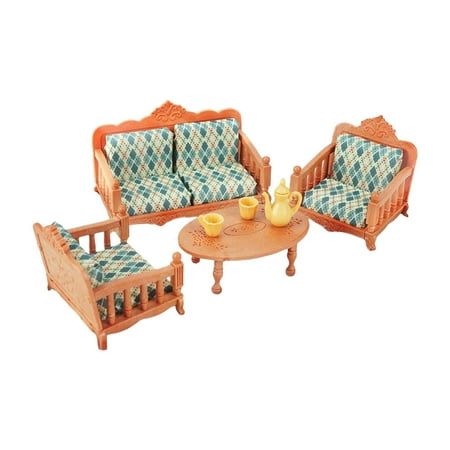
When you visit a doll house furniture store, whether online or brick-and-mortar, the first major categorization is by room. Each room has its own functional and aesthetic requirements. Living room sets often focus on comfort and conversation—sofas, armchairs, coffee tables, and bookshelves. These pieces allow you to set a mood, from a formal Victorian parlor with tufted velvet to a mid-century modern den with sleek teak. Kitchen and dining furniture is all about utility and social hub energy. Look for detailed cabinetry, countertops with realistic textures (like marble or butcher block), and dining sets that fit the room’s scale. A well-accessorized kitchen with tiny pots, pans, and food items can be a world of imaginative play on its own.
Bedroom furniture brings a sense of intimacy and rest. Canopy beds, dressers with tiny drawers, and wardrobes are staples. The level of detail here is paramount—think of tiny quilt stitches, miniature lace pillows, or a vanity set with microscopic perfume bottles. Bathroom fixtures are a test of a maker’s skill; a working miniature faucet or a clawfoot tub with realistic porcelain finish can elevate a dollhouse from toy to art. Many stores also offer specialty room furniture like home offices, libraries, or nurseries, each with its own iconic pieces—a roll-top desk, a globe, or a wooden rocking horse.
Thematic and Period-Specific Pieces
Beyond function, furniture is defined by style. A reputable doll house furniture store will categorize pieces by historical period or design theme. Victorian (1837-1901) is characterized by dark woods, heavy ornamentation, plush upholstery, and an abundance of decorative objects. Edwardian (1901-1910) lightens up with lighter woods, simpler lines, and a focus on fresh, airy spaces. Georgian (1714-1830) features elegant mahogany, Chippendale and Hepplewhite influences, and a sense of balanced proportion. Art Deco (1920s-1930s) brings geometric shapes, mirrored surfaces, and exotic woods like ebony and chrome.
Then there are thematic styles. Country or Farmhouse furniture uses painted woods, rustic finishes, and practical, sturdy designs. Modern or Contemporary pieces emphasize clean lines, minimalist forms, and materials like plastic, metal, and glass. Fantasy and Whimsical themes break all rules—think mushroom-shaped stools, furniture made from twigs, or pieces painted in fantastical colors. These themes allow collectors to build entire worlds with a cohesive narrative, whether it’s a hobbit hole, a fairy cottage, or a sleek space-age apartment. When shopping, having a clear theme in mind helps filter the overwhelming array of options and ensures your pieces tell a unified story.
Materials Matter: Understanding What Your Furniture Is Made From
Classic Wood: Warmth and Durability
Wood remains the gold standard for serious doll house furniture due to its warmth, workability, and authenticity. Hardwoods like basswood, limewood (linden), and walnut are favored by artisans for their fine grain and ease of carving intricate details. Basswood, in particular, is almost knot-free and ideal for hand-carved pieces. These wooden pieces can be left natural, stained, or painted, and they carry a substantial, quality feel. They are durable but can be susceptible to warping in humidity, so proper care is key. When you hold a well-made wooden chair, you can feel the weight and solidity—it’s furniture in miniature truth.
Softwoods like pine are also used, often for more rustic or country-style pieces. They are lighter and more affordable but can be more prone to dents. The finish on wooden furniture varies widely. Some makers use oil finishes that penetrate the wood, highlighting its grain. Others use lacquers or varnishes for a hard, glossy, protective coat. For antique or vintage pieces, you might encounter shellac or even wax. Understanding these finishes helps in cleaning and preservation. A piece with a hand-rubbed oil finish will need different care than one with a high-gloss polyurethane coat.
Metal and Pewter: Strength and Detail
Metal furniture, particularly pewter and white metal (a zinc alloy), has a storied history in miniatures. Pewter was historically used for its ability to cast fine details—think of the delicate scrollwork on a Victorian bed frame or the intricate legs of a Louis XVI chair. It has a distinctive, slightly soft gray appearance that can be polished to a shine or antiqued. Metal is strong and resistant to warping, but can bend if mishandled and may tarnish over time, requiring gentle polishing. Pressed steel was common in mid-century toy furniture, offering a sturdy, industrial look.
More recently, aluminum and brass are used for modern or industrial-themed pieces. These metals allow for sleek, minimalist designs and can be anodized or plated for different colors and finishes. Metal furniture often provides a structural backbone for mixed-media pieces, like a metal frame for a wooden chair seat. When shopping, check for solid metal versus thin, plated sheet metal, which can feel flimsy and dent easily.
Modern Plastics and Resins: Affordability and Versatility
The advent of modern plastics revolutionized the doll house furniture industry by making it accessible to the masses. ABS plastic is common for sturdy, colorful children’s furniture. It’s impact-resistant and can be molded into complex shapes. Polyresin or polystone is a denser material used for highly detailed, realistic pieces that mimic stone, ceramic, or even food. It’s often used for accessories like toilets, sinks, or decorative statues. Vinyl and soft plastics are used for upholstered items like sofas and mattresses, offering a plush feel.
Plastic’s biggest advantage is affordability and consistency. A set of plastic kitchen cabinets will cost a fraction of its wooden counterpart and won’t warp. However, it lacks the tactile warmth and heft of natural materials. High-end resin pieces can achieve stunning realism, but cheaper plastics can look and feel cheap, with visible mold lines and a hollow sound. When evaluating plastic furniture, consider the weight, the solidity of the feel, and the sharpness of the molded details.
The Critical Role of Scale and Proportion in Miniature Design
Common Scales Explained: 1:12, 1:24, and Beyond
Scale is the non-negotiable ruler of the dollhouse world. It refers to the ratio between the miniature and the real-life object. The most common scale for adult collectors and detailed dollhouses is 1:12, meaning 1 inch in the dollhouse equals 1 foot in reality. This scale allows for exquisite detail and is the standard for most high-end doll house furniture stores. A 1:12 door might be 3 inches tall. Another popular scale is 1:24 (or 1/2 inch to the foot), which is half the size of 1:12. This scale is common for children’s dollhouses (like those from KidKraft or Hape) and for collectors who want to display more rooms in a smaller space. It requires less material and can be more affordable.
Less common but still significant are 1:16 (used historically by some German makers), 1:18 (popular for some modern dollhouses and play sets), and 1:48 or 1:144 for ultra-tiny "nano" or "micro" scale, which is a extreme challenge even for experts. The scale must be consistent within a room and ideally throughout an entire house. A 1:12 sofa will look absurdly oversized in a 1:24 house. Always check the scale specification before purchasing furniture. Reputable doll house furniture stores will list the scale prominently.
Mixing Scales: When and How to Do It Successfully
While purists insist on strict scale adherence, many creative collectors and decorators mix scales intentionally for effect. The most common and accepted mix is using 1:24 furniture in a 1:12 house for secondary rooms like closets, pantries, or servants' quarters, to create a sense of depth and "less important" spaces. Conversely, a single 1:12 statement piece—a grand piano or an ornate armoire—in an otherwise 1:24 room can become a dramatic focal point. The key is intentionality and visual logic. The mixed-scale piece should serve a narrative purpose: it’s a family heirloom (bigger), it’s from a different era, or it’s in a room with higher ceilings.
To mix scales successfully, consider perspective and placement. A slightly larger piece in a corner or against a wall can work if the room’s architecture suggests it’s a focal point. Avoid placing a 1:12 chair next to a 1:24 table in the same dining setting—the discrepancy will be jarring. Also, be mindful of door and window heights. A 1:12 person (doll) will not fit through a 1:24 door. If you’re using mixed scales, you’re often committing to using dolls of the corresponding scales as well, or leaving the room doll-less and focusing on the room’s aesthetic. When in doubt, stick to one scale for coherence.
Where to Find the Best Doll House Furniture Store: A Buyer's Guide
Specialized Online Retailers and Boutiques
The internet has been a boon for the niche world of doll house furniture. Specialized online retailers are often the best first stop. Websites like Dollhouse Miniatures (dollhouseminiatures.com), The Doll's House Store, and Miniature House offer vast inventories from hundreds of artisans, organized by scale, period, and room. Their advantages are immense: global access, detailed descriptions with multiple photos, customer reviews, and often, educational resources. They act as aggregators, so you can compare styles and prices from different makers in one place. Many also offer custom orders and have knowledgeable staff who can answer specific questions.
Boutique online stores run by individual artisans are another treasure trove. These are perfect for finding unique, handcrafted pieces. Platforms like Etsy are filled with talented makers selling their wares. Buying direct from an artisan often allows for customization—you might request a specific wood stain or fabric. The trade-off is a smaller selection and potentially longer lead times. Always check the seller’s policies on returns, shipping (fragile items require careful packaging), and their portfolio of past work. Look for clear, high-resolution photos that show details like joinery and finishes.
Craft Fairs, Museums, and Auctions
For the tactile shopper and serious collector, in-person experiences are invaluable. Dollhouse and miniature craft fairs (like the annual Dollhouse & Miniature Show in various cities) are gatherings where artisans sell directly. You can handle the pieces, see the true scale, and speak with the maker about their process. These events are also fantastic for networking and learning. Museum shops, particularly those of institutions with dollhouse collections (like the Victoria and Albert Museum or the Metropolitan Museum of Art), often sell high-quality reproductions or pieces inspired by their collections. These items are usually meticulously researched and authentic.
Specialist auctions (both live and online, like Theriault's or Cottone Auctions) are the domain of serious collectors. Here you’ll find antique, vintage, and high-end contemporary pieces, often with provenance. Auction prices can be high, but they also establish market value and offer opportunities to acquire rare items. For beginners, attending an auction as an observer is a masterclass in quality and valuation. Antique shops and ** flea markets** can also yield hidden gems, but require a keen eye to distinguish true miniatures from simple toys or damaged goods.
International Sources and Import Considerations
The doll house furniture world is global. England has a deep tradition of fine wooden miniatures. Germany is famous for precision and quality, with brands like Märklin and Ravensburger. Japan excels in incredibly detailed, small-scale resin and metal pieces, often for 1:24 or smaller scales. The Netherlands and Scandinavia have strong design traditions with a focus on modern aesthetics. Shopping internationally opens up a universe of styles and craftsmanship not available locally.
However, importing comes with considerations. Shipping costs for heavy, fragile items can be prohibitive. Customs duties may apply, adding to the cost. Shipping times can be long. Crucially, ensure the seller packages items to international shipping standards—multiple layers of bubble wrap, sturdy boxes, and clear "FRAGILE" labeling. Also, be aware of material restrictions; some countries have regulations on importing wood products due to pest concerns (requiring heat treatment or fumigation certificates). Reputable international sellers are familiar with these processes and will guide you. Factor all these costs into your budget before committing to an overseas purchase.
DIY vs. Ready-Made: Which Path Is Right for You?
The Joy and Challenges of DIY Doll House Furniture
For many enthusiasts, the ultimate expression of love for the miniature world is DIY (Do-It-Yourself). Creating your own furniture is an incredibly rewarding process that connects you deeply to the piece. It allows for total customization—you can design exactly what you need for a specific spot, choose perfect fabrics, and match stains to your dollhouse interior. The journey itself is a craft, involving skills like woodworking, carving, upholstery, and painting. There’s a profound satisfaction in seeing a block of basswood transform into a Sheraton-style side chair.
However, DIY has a steep learning curve and time commitment. It requires an initial investment in tools (miniature saws, clamps, files, paintbrushes) and materials. Mistakes are part of the process, and a single error can ruin hours of work. Patience and a willingness to learn from tutorials (books, magazines, YouTube channels like "Miniature Magic") are essential. DIY is best for those who view the process as a hobby in itself, who want unique pieces no one else has, or who need something perfectly tailored to an unusual space. It’s not for everyone, but for those who embrace it, it’s the pinnacle of the craft.
Benefits of Purchasing Ready-Made Collections
Ready-made furniture from a doll house furniture store offers immediate gratification and professional quality. You can furnish an entire room in one go, with all pieces guaranteed to be in the same scale and style. The quality from established makers is often superb, with techniques and materials that are hard to replicate as a beginner. You benefit from the artisan’s years of experience in proportion, historical accuracy, and durability. Ready-made is also practical for children’s dollhouses, where durability and safety (no small, breakable parts for toddlers) are paramount.
The variety is staggering. You can mix and match from different makers and eras to create an eclectic, collected-over-time feel. For collectors, ready-made pieces from renowned artists can hold or increase in value. It’s also the path for those who love the result—the beautiful miniature scene—but don’t have the time, space, or inclination for the process of making. When buying ready-made, your primary tasks are research (to find reputable sellers and authentic styles) and curation (selecting pieces that work together harmoniously). It’s a different kind of creative joy: the joy of the curator and storyteller.
Art of Display: Styling Your Doll House Like a Pro
Creating Realistic Scenes with Thoughtful Layouts
Furniture is not just placed; it’s composed. The magic of a dollhouse comes alive when the furniture arrangement tells a story. Start with zoning. Even in a small room, define areas: a seating nook, a work desk, a dining space. Use area rugs (even tiny ones) to anchor these zones. Think about traffic flow—leave realistic pathways. Furniture should not be pushed against walls like in a showroom; pull a sofa a few inches into the room, angle a chair toward a fireplace. This creates depth and invites the eye to imagine movement.
Scale and proportion within the room are crucial. A massive four-poster bed in a tiny bedroom will feel cramped. Ensure there’s enough "breathing room" around pieces. Use triangular arrangements for groups of three items (like a sofa, armchair, and coffee table) to create visual interest. Vary heights—mix a tall bookcase with a low coffee table to avoid a flat, monotonous skyline. Finally, leave negative space. Not every surface needs an object. A clear table or an empty corner gives the eye a rest and makes the displayed items more special.
Lighting, Textiles, and Finishing Touches
Lighting is the unsung hero of miniature display. Battery-operated LED string lights or individual puck lights can create warmth and focus. Place a tiny lamp on a side table, or use a light fixture to highlight a display shelf. Avoid harsh, overhead lighting that flattens everything. Textiles add life and softness. Miniature curtains, rugs, throws, and cushions in appropriate fabrics (velvet for Victorian, linen for country) soften hard edges and suggest use. A rumpled bedspread or a draped towel implies recent human activity.
The final layer is accessories and "life". This is where personality shines. Books on shelves, dishes in the kitchen, toys scattered in a child’s room, plants in pots, paintings on walls. These should be scale-appropriate and thematically consistent. A stack of leather-bound books looks great in a study; plastic food is perfect for a modern kitchen. Don’t over-clutter. A few well-chosen items are more effective than dozens of random trinkets. The goal is to create a "lived-in" feeling, a snapshot of a moment in a tiny person’s life, not a sterile museum exhibit.
Caring for Your Miniature Treasures: Maintenance Tips
Dusting, Cleaning, and Safe Handling
Doll house furniture, especially antique or handcrafted pieces, requires gentle care. Dust is the primary enemy, accumulating in carvings and upholstery. Use a soft, static-free brush (like a makeup brush or specialized miniature brush) to gently dislodge dust from surfaces and crevices. For heavier dust, a soft, dry microfiber cloth works. Never use water on untreated wood or antique finishes, as it can cause damage. For grimy areas, a cloth barely dampened with distilled water can be used, followed immediately by a dry cloth, but test in an inconspicuous area first.
Upholstered furniture can be carefully vacuumed with a brush attachment on the lowest setting. For stains, consult a professional conservator, especially for valuable pieces. Metal furniture can be polished with a specialized metal polish applied to a soft cloth, but test first as some patinas are desirable. Plastic can be wiped with a damp cloth. The most important rule is safe handling. Always handle pieces with clean, dry hands. Support furniture from underneath, never by delicate appendages like chair backs or table legs. When moving a dollhouse, remove all furniture first to prevent shifting and damage.
Storage Solutions for Long-Term Preservation
If you need to store furniture long-term—perhaps for seasonal displays or between moves—proper storage is critical. Climate control is paramount. Store in a cool, dry place with stable temperature and humidity. Avoid attics (too hot) and basements (too damp). Acid-free tissue paper is your friend. Wrap each piece individually in tissue, then place in individual boxes (like small gift boxes) or compartmentalized trays. For larger collections, plastic storage bins with tight lids work well, but line them with tissue and avoid overpacking.
Avoid newspaper and regular tissue paper, as they are acidic and can discolor finishes over time. For wooden furniture, a light coating of microcrystalline wax (like Renaissance Wax) can provide a protective barrier against humidity during storage, but this should be done sparingly and by someone knowledgeable. Label boxes clearly with contents and scale. Keep a inventory list with photos, especially for valuable collections. Proper storage ensures your miniature treasures can be enjoyed for decades, potentially becoming heirlooms themselves.
Doll House Furniture Collecting: A Rewarding Hobby
Building a Collection with Purpose and Passion
Collecting doll house furniture is more than accumulating objects; it’s a journey of curation and personal expression. Start by defining your focus. Are you drawn to a specific period (Victorian, Mid-Century Modern)? A specific material (carved wood, pewter)? Or a specific use (only kitchen furniture, only beds)? A focused collection is more manageable and meaningful than trying to collect "everything." Set a budget and stick to it. The world of high-end miniatures can be breathtakingly expensive. It’s better to buy one exquisite, authentic piece per year than a dozen cheap, forgettable ones.
Learn to authenticate. Understand the hallmarks of quality: dovetail joints in drawers, consistent hand-painting vs. decals, weight and material feel. Research makers—names like R. John Wright Dolls, Charlotte Heder, Paul’s Place, and W. Richter are revered for a reason. Buy from reputable doll house furniture stores and dealers who provide provenance. Attend shows and auctions to develop your eye. Document your collection. Keep records of where, when, and for how much you acquired each piece. This adds to its story and your enjoyment.
Connecting with Communities and Resources
You are not alone in this passion. The doll house and miniature community is vast, friendly, and incredibly knowledgeable. Join online forums like The Dollhouse Miniatures Forum or Facebook groups (e.g., "Dollhouse Collectors"). These are goldmines for advice, identification help, buying/selling, and camaraderie. Subscribe to magazines like Dollhouse Miniatures or Modern Dollhouse for trends, tutorials, and artist profiles. Local clubs exist in many areas; a quick online search can reveal meetings where you can see other collections and learn in person.
Museums with dollhouse exhibits are also resources. Study the authentic pieces on display. Books are foundational; titles like The Dollhouse Book by Katharine Morrison or Victorian Dollhouses and Their Furniture by Faith Eaton are considered bibles. Engaging with the community not only enhances your knowledge but also enriches the hobby. You might find a mentor, trade pieces, or gain access to private sales. Collecting becomes a social, lifelong pursuit, deeply intertwined with a shared appreciation for the magic of the miniature.
The Future of Doll House Furniture: Trends to Watch
Sustainable and Eco-Friendly Materials
As with the broader design world, sustainability is making its mark in doll house furniture. Artisans and manufacturers are increasingly conscious of their material sources. This means using FSC-certified wood from responsibly managed forests, reclaimed wood from old buildings or furniture, and natural, non-toxic finishes like linseed oil, milk paint, and beeswax. There’s a growing movement away from plastics derived from fossil fuels toward bioplastics and recycled materials. For consumers, this trend offers the chance to make ethically aligned purchases. A piece made from reclaimed walnut with a natural oil finish has a story—it’s not just a miniature object, but a piece of sustainable design. Look for makers who transparently discuss their material sourcing and environmental practices.
Technology Integration: Smart Homes in Miniature
The miniature world is embracing the smart home revolution in delightful ways. We’re seeing micro-LED lighting systems that can be dimmed or changed color with a tiny remote. Tiny, working speakers allow for soundscapes—a crackling fireplace, city ambiance, or period music—inside a dollhouse. Some ultra-advanced hobbyists are integrating microcontrollers (like Arduino) to automate features: lights that turn on at "dusk," motorized window blinds, or even a miniature elevator. While still a niche, this trend blurs the line between static display and interactive play/art.
For doll house furniture stores, this means offering "smart" accessories alongside traditional pieces. Imagine a miniature living room set where a tiny TV actually displays a looping video, or a kitchen with a microwave that has a glowing digital display. This appeals to a new generation of collectors who grew up with technology and expect it in all scales. It also opens up collaborative opportunities between traditional furniture makers and tech hobbyists, leading to truly innovative hybrid pieces. The future dollhouse might not just be a static diorama, but a dynamic, responsive miniature environment.
Conclusion: Your Journey into the World of Miniature Begins Now
The universe of doll house furniture stores is a testament to human creativity, craftsmanship, and enduring love for the idea of home. From the lavish "baby houses" of Renaissance Europe to the 3D-printed futuristic accents of today, each piece carries a legacy of skill and a spark of imagination. Whether you are seeking a single, perfect miniature armchair to complete a heirloom dollhouse, furnishing a child’s first castle, or embarking on a lifelong journey of collecting, the principles remain the same: prioritize quality and scale, seek pieces that tell a story, and never underestimate the power of a well-placed, tiny detail.
Remember to research your sources, understand the materials and scales, and handle your treasures with care. Connect with the passionate community that surrounds this hobby—their knowledge is invaluable. As you build or curate your miniature world, you are doing more than decorating; you are preserving a craft, supporting artists, and creating a portal to endless stories. So take that first step. Visit a reputable doll house furniture store, online or in person, and let the search for the perfect tiny table, the most delicate chair, or the most charming lamp begin. In that search, you’ll find not just furniture, but a tangible piece of wonder, waiting to find its place in a world of imagination.