Luxury Ideas For Home: Elevate Your Space With Timeless Elegance
What does luxury truly mean in today's world? Is it a gleaming marble countertop, a sprawling infinity pool, or the latest smart home gadget? While these elements often come to mind, the most profound luxury ideas for home have evolved beyond mere price tags and opulent displays. True luxury is no longer about accumulating things; it’s about curating an experience, a personal sanctuary that reflects your unique story and prioritizes your well-being. It’s the silent hum of a perfectly calibrated climate, the feel of hand-selected Italian leather underfoot, or the effortless morning light that fills a room designed specifically for how you live. This guide moves past clichés to explore the sophisticated, intentional, and deeply personal facets of high-end living, offering actionable inspiration to transform your house into a haven of meaningful indulgence.
The Philosophy of Modern Luxury: Beyond the Price Tag
Redefining Luxury for the Contemporary Home
The landscape of luxury has shifted dramatically. No longer is it solely defined by brand names or rare materials. The modern connoisseur understands that luxury is an ethos. It’s the marriage of impeccable craftsmanship with thoughtful functionality. It’s choosing a sustainably sourced, wide-plank oak floor not just for its beauty, but for its story and its durability for generations. This mindset values investment pieces over fast decor, and seamless integration over conspicuous consumption. A luxury home, in this sense, feels inherently right—its proportions harmonious, its textures inviting, and its flow intuitive. It doesn’t shout; it whispers confidence and comfort.
The Experience-Centric Home: Personalization as the Ultimate Premium
At the heart of the most coveted homes is a relentless focus on personalized experiences. This is where luxury becomes intimately yours. It’s a wine cellar designed for your specific collection, a home gym equipped for your preferred Pilates reformer routine, or a reading nook with exactly the right acoustics for your favorite jazz records. According to a recent report by the luxury real estate firm Engel & Völkers, buyers increasingly prioritize lifestyle fit over sheer square footage. They seek homes that facilitate their hobbies, support their wellness, and host gatherings in a way that feels authentic. This means working with designers to create custom solutions: a hidden pantry for your elaborate dinner parties, a dedicated craft room with perfect north-facing light, or a meditation alcove with integrated soundscaping. The ultimate luxury is a space that anticipates your needs before you even articulate them.
Smart Living: Technology as the Invisible Butler
Seamless Integration: The Quiet Intelligence of a Connected Home
Gone are the days of clunky remotes and visible wires. The new luxury in home technology is characterized by its invisibility and intuitive control. Imagine walking into a room where the lights adjust to the time of day, the temperature is perfect, and your curated playlist begins softly—all without touching a switch. This is achieved through robust home automation systems like Control4, Savant, or Crestron, which integrate lighting, climate, security, audio, and shading into a single, elegant interface, often controlled via a discreet wall panel or a simple app. The goal is not to showcase tech for tech’s sake, but to enhance daily life with effortless grace. For instance, a “Good Morning” scene might slowly raise blackout shades, start the coffee machine, and provide a gentle weather briefing in the en suite.
Wellness and Security Tech: Proactive Comfort and Peace of Mind
Luxury technology now deeply intertwines with health and security. Advanced air purification systems, like those from Dyson or IQAir, become part of the HVAC, silently removing pollutants and allergens. Water filtration systems ensure every drop from the kitchen sink and shower is pristine. On the security front, systems have moved beyond alarms to include predictive analytics—cameras with AI that distinguish between a stray cat and an intruder, and discreet perimeter monitoring. Smart glass that transitions from clear to opaque with a voice command offers privacy in a glass-walled bathroom without bulky curtains. These technologies operate in the background, providing a layer of proactive comfort and profound peace of mind that is, in itself, a luxurious commodity.
Culinary Excellence: The Luxury Kitchen as a Social Hub
The Professional-Grade Heart of the Home
The kitchen has unequivocally transformed from a hidden workspace to the social epicenter of the modern luxury home. Design here prioritizes both professional-grade functionality and elegant hospitality. This means specifying commercial-quality appliances from brands like Wolf, Sub-Zero, or Gaggenau. Think dual-fuel ranges with multiple burners and a griddle, built-in refrigeration columns that maintain precise humidity for produce, and dishwasher drawers that allow for delicate glassware cycles. But luxury is also in the details: a waterfall edge island in a single slab of Calacatta marble, a walk-in pantry with custom pull-out shelving, and a professional sink like a stainless steel or fire-clay model with integrated cutting boards and colanders. The layout is paramount—a zoned approach with separate areas for prep, cooking, cleaning, and casual dining ensures multiple people can work without disruption.
The Art of Entertaining: Integrated Features for Effortless Hosting
True luxury kitchen design thinks like a seasoned restaurateur. It incorporates features that make hosting feel effortless. This includes undercounter refrigerated drawers for quick access to drinks and ingredients, a dedicated coffee/tea station with a built-in grinder and hot water tap, and wine refrigerators with precise temperature zones. A pot filler faucet installed above the range eliminates the heavy carry of water pots. For the ultimate in casual elegance, consider a hidden pass-through that slides open to the living room or a built-in banquette with luxurious upholstery and hidden storage. The material palette should be durable yet stunning—quartzite countertops for their unique veining and heat resistance, full-slab backsplashes for a seamless look, and custom cabinetry with soft-close, touch-latch hardware. The goal is a space so well-equipped that the host can remain engaged with guests, turning meal preparation into a shared, enjoyable experience rather than a solitary chore.
The Private Retreat: Luxury Bathroom Design as a Sanctuary
Spa-Inspired Serenity: Designing for Ritual and Rejuvenation
The luxury bathroom has transcended its utilitarian roots to become a private spa and personal sanctuary. The design philosophy here centers on creating a multi-sensory experience of calm and indulgence. Key to this is the concept of zoned wet areas. A freestanding soaking tub—made of cast iron, stone, or acrylic—placed near a window or as a room's focal point, becomes a sculptural element. It should be paired with a floor-mounted tub filler or an elegant wall-mounted faucet for a clean look. Adjacent to this, a large, frameless glass shower enclosure with multiple showerheads, including a rainfall head and a body spray system, defines the active wet zone. Separating the toilet area with a half-wall or a dedicated water closet ensures privacy and maintains the serene atmosphere.
Material Mastery and Intelligent Details
Material selection is critical for achieving a spa-like ambiance. Natural stone—whether large-format porcelain tiles that mimic limestone, honed marble, or textured travertine—covers floors and walls. Heated flooring and towel warmers are non-negotiable elements of comfort. Storage is integrated and invisible: recessed medicine cabinets with mirrored fronts, vanities with deep drawers on soft-close glides, and floating shelves for rolled towels and bath products. Lighting is layered: ambient lighting from cove or soffit sources, task lighting at the mirror (ideally on both sides to eliminate shadows), and accent lighting to highlight architectural features or art. The final touch is sound: a built-in speaker system allows for soft music or podcasts, completing the immersive retreat. This is a space designed not just for function, but for daily ritual and profound relaxation.
Bringing the Outdoors In: Luxury Outdoor Living Spaces
The Indoor-Outdoor Seamless Transition
The most discerning homes today blur the line between interior and exterior. This is achieved through architectural continuity—using the same paving materials or large-format sliding glass doors (like ** pocket doors or lift-and-slide systems**) that disappear completely into walls. The goal is to create a single, expansive living area when the doors are open. Furniture is chosen with the same attention to comfort and quality as indoor pieces: all-weather wicker, teak, or powder-coated aluminum with deep, plush cushions in performance fabrics. An outdoor kitchen rivals its indoor counterpart, featuring a built-in grill (often gas, charcoal, or wood-burning), a refrigerator, sink, and storage cabinets. A covered pergola or retractable awning provides shade, while outdoor fireplaces or fire pits extend the usability of the space into cooler evenings.
Curating the Landscape: From Private Gardens to Statement Features
Luxury landscaping is an art form that creates private, immersive environments. This goes beyond a manicured lawn. Think multi-tiered gardens with varying plant heights and textures, water features like a linear overflow spa or a quiet reflecting pond, and strategic lighting that uplights trees and washes walls with soft light to create drama after dark. For the active homeowner, consider a negative-edge pool that seems to spill into the horizon, a swim-up bar, or a dedicated yoga lawn. Smart irrigation systems ensure lushness with minimal waste. The ultimate luxury is a fully enclosed, serene garden—a secret escape with the sounds of a fountain, the scent of night-blooming jasmine, and the feeling of complete seclusion, all just steps from your living room.
Wellness-Centric Homes: Health as the Ultimate Luxury
Integrating Wellness into the Home’s DNA
The pandemic accelerated a fundamental shift: our homes must now support our physical and mental well-being. This has given rise to the wellness-centric home, where health is baked into the design and systems. Beyond a simple gym, this means designing for movement and mindfulness. A dedicated home fitness studio with shock-absorbent flooring, full-length mirrors, and integrated AV for streaming classes is a staple. Equally important is a quiet, clutter-free meditation room or a zen garden accessible from a bedroom. Biophilic design—the incorporation of natural elements—is key. This includes living walls, interior courtyards with lush plantings, and large windows that frame views of nature, which studies show can reduce stress and improve cognitive function.
Systems for Pure Air, Water, and Rest
The infrastructure for wellness is often invisible but critical. Whole-house air purification systems integrated with HVAC, such as HEPA filters and UV light sanitizers, remove allergens, pollutants, and pathogens. Water purification at the point of entry ensures clean water for drinking, bathing, and cooking. The bedroom is prioritized as the ultimate wellness zone. This means investing in a luxury mattress with adjustable firmness, blackout window treatments for optimal circadian rhythm, and smart sleep systems that monitor sleep cycles and adjust room temperature. Acoustic design is also part of wellness—using sound-absorbing materials like thick plaster, acoustic panels disguised as art, and white noise machines to create a buffer from urban noise. A luxury home today is, first and foremost, a health-preserving vessel.
The Power of Light: Statement Lighting as Art and Architecture
Layered Lighting: The Foundation of Ambiance
In luxury interiors, lighting is never an afterthought. It is a fundamental design tool used to sculpt space, create mood, and highlight art. The principle is layered lighting, combining three types:
- Ambient Lighting: The overall illumination, often from recessed downlights, cove lighting, or a central fixture.
- Task Lighting: Focused light for specific activities, such as under-cabinet lights in the kitchen, reading lamps by the bed, or vanity lights on either side of a mirror.
- Accent Lighting: Dramatic highlights that draw the eye to architectural features, artwork, or texture—think grazing light on a stone wall, uplighting a plant, or pinspots on paintings.
A sophisticated lighting control system allows for scenes to be programmed: “Entertain” might brighten the living area while dimming the hall, while “Relax” lowers all lights to a warm glow.
Sculptural Fixtures: Jewelry for the Home
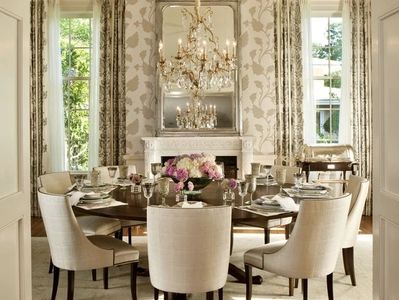
Beyond function, statement lighting fixtures serve as sculptural art pieces that define a room’s character. This is where bold creativity meets craftsmanship. Think of a massive, hand-blown glass chandelier by Venini over a dining table, a kinetic mobile by Flos in a two-story foyer, or a sleek, linear suspension by Bocci over a kitchen island. Materials are luxurious and unexpected: smoked glass, polished brass, woven rattan, or even sculpted alabaster. The scale is often dramatic—a single pendant can be the focal point of an entire room. The key is proportionality and placement. A fixture should complement the room’s architecture, not compete with it. In a minimalist space, a single, stunning fixture becomes the sole ornament. In a more traditional room, a cluster of smaller pendants can create a modern counterpoint. Lighting, when done right, is the final layer that brings a luxury space to life, changing its mood with the flip of a switch.
Curated Spaces: Art, Texture, and Personal Passions
Building a Personal Collection: Art as a Core Design Element
True luxury is deeply personal, and nothing expresses personality more than art and collected objects. Rather than treating art as a final decoration, the luxury approach integrates it from the start. A significant painting may dictate the color palette of a room. A sculpture might be placed in a niche specifically designed for it. This requires collaboration with art advisors and galleries. The trend is towards eclectic, meaningful collections—a mix of contemporary paintings, antique prints, and sculptural ceramics you’ve acquired on travels. Gallery walls are carefully curated with consistent framing or a unifying theme. For the ultimate in personalization, commission a piece directly from an artist for a specific space. The goal is a home that tells your story, where every piece has a reason for being there.
The Tactile Dimension: Mastering Texture and Material Play
Luxury is a tactile experience. A space that only looks expensive but feels cold or uncomfortable has missed the mark. The secret lies in layering textures to create depth and warmth. This means combining:
- Smooth & Rough: A velvet sofa against a rough-hewn stone wall.
- Soft & Hard: A sheepskin throw on a polished steel console.
- Natural & Refined: A raw-edge wood table under a crystal chandelier.
Materials should be authentic and of high quality: cashmere, mohair, linen, leather, shagreen, honed marble, brushed brass, and reclaimed wood. Consider textured wallcoverings like grasscloth or silk, and tactile rugs—a vintage Kirman or a plush hand-knotted piece. This sensory richness makes a space feel inviting, lived-in, and deeply luxurious. It’s the difference between looking at a room and feeling it.
Dedicated Spaces for Passion: The Library, the Studio, the Game Room
A hallmark of a truly luxurious home is the presence of dedicated rooms for personal passions. These are not just spare bedrooms; they are meticulously designed to support specific interests.
- The Home Library: Features floor-to-ceiling bookcases (often with rolling library ladders), a deep, comfortable reading chair by a fireplace, and controlled lighting to protect books. Materials are rich: walnut shelving, leather-bound volumes, and a robust desk for writing.
- The Art Studio or Music Room: Designed with perfect north-facing light for artists, or with acoustic paneling and soundproofing for musicians. Storage for supplies and instruments is seamlessly integrated.
- The Dedicated Game Room or Cinema: Moves beyond a TV in the basement. A luxury home theater has tiered seating, acoustic wall treatments, a 4K projector, and a concession stand. A game room might feature a Bocce court, a poker table with built-in chip trays, or a vintage arcade collection displayed in custom cabinetry.
These spaces scream not “I have money,” but “I have a life I love,” which is the ultimate expression of luxury.
The Devil’s in the Details: Finishing Touches That Define Quality
The Unseen Infrastructure: Millwork, Hardware, and Joinery
Luxury is revealed in the smallest details that are often overlooked. This starts with custom millwork. Instead of off-the-shelf trim, imagine thick, substantial baseboards, crown molding with complex profiles, and built-in cabinetry that looks like it’s always been part of the house. Joinery is paramount—dovetail drawers, mortise-and-tenon joints, and perfectly aligned wood grains. Hardware is an opportunity for subtle elegance: heavy, solid brass door handles with a satisfying weight, concealed hinges, and discreet, integrated switches that disappear into the wall. Even electrical outlets can be specified in dark bronze or nickel to blend with a dark floor. These elements require a higher budget and skilled craftsmen, but they create an aura of seamless, built-in quality that is unmistakable.
The Fifth Wall: Ceilings and Floors as Design Canvases
Never neglect the fifth wall (the ceiling) and the floor. A coffered ceiling with integrated lighting adds architectural grandeur. Beams can be left natural or painted to contrast. Plaster is the gold standard for a seamless, heirloom-quality finish. On the floor, wide-plank hardwood with a hand-scraped or wire-brushed finish feels more substantial than narrow strips. Large-format porcelain tiles with minimal grout lines create a sleek, continuous surface. For ultimate indulgence, heated floors are a must in bathrooms and kitchens. Area rugs should be of the highest quality—hand-knotted silk, wool, or a blend—and sized to anchor seating areas, defining zones within an open plan. These surfaces are the foundation of your home’s daily experience, and their quality is felt constantly.
Sustainable Luxury: Ethics Meets Elegance
The Rise of Conscious Consumption in High-End Design
The new luxury consumer is an informed and ethical one. They understand that true opulence can—and must—be sustainable. This means specifying materials with a low environmental impact and a transparent supply chain. Think FSC-certified wood, recycled glass countertops, linoleum (a natural, biodegradable material), and cork flooring. Local sourcing reduces carbon footprint and supports artisans. Vintage and antique furniture is highly prized for its craftsmanship, uniqueness, and inherent sustainability—it’s the ultimate in recycling. Brands like Cappellini and The Future Perfect champion designers who use innovative, eco-friendly materials like mycelium-based leather or plastic made from ocean waste.
Energy Efficiency as a Luxury Feature
Sustainable luxury also means high-performance homes that are incredibly efficient, reducing long-term costs and environmental impact. This includes superior insulation, triple-pane windows with argon gas fills, and smart HVAC systems with zoning. Solar panels are increasingly integrated seamlessly into roof designs or as solar shingles. Rainwater harvesting systems supply irrigation and even household uses. A home energy management system provides real-time data on consumption, allowing for intelligent adjustments. Presenting these features not as sacrifices, but as intelligent, forward-thinking investments is key. A home that is both breathtakingly beautiful and carbon-neutral represents the pinnacle of 21st-century luxury—a legacy of taste and responsibility.
When to Call in the Experts: Professional Guidance as a Luxury Investment
The Invaluable Role of Architects, Designers, and Project Managers
While DIY has its charm, for a true luxury home—whether a new build, a major renovation, or a significant refresh—assembling a professional team is the first and most important investment. An architect ensures the structural integrity, flow, and compliance with codes, while also translating your vision into buildable plans. An interior designer is your guide through the overwhelming world of materials, fabrics, and furnishings. They have access to trade-only showrooms, understand scale and proportion, and can manage the complex logistics of sourcing and installation. For a whole-home tech integration, a certified home technology professional is essential to design a system that is reliable, scalable, and user-friendly.
Navigating the Process: From Vision to Reality with a Cohesive Team
The luxury process is collaborative. You hire an architect, who recommends a trusted interior designer, who in turn has relationships with master craftsmen, specialty contractors, and artisans. This synergy prevents costly mistakes and ensures a cohesive final product. A project manager or construction manager can be hired to oversee the day-to-day, coordinating all trades, managing timelines and budgets, and serving as your single point of contact. This allows you to enjoy the creative process without the stress of daily problem-solving. The fee for these professionals is not an expense; it’s an insurance policy for a flawless outcome, saving you from expensive errors and ensuring every detail aligns with the overarching design vision. In luxury, time and peace of mind are the most precious commodities of all.
Conclusion: Crafting Your Personal Definition of Luxury
The journey to a luxury home is not about following a checklist of expensive items. It is a deeply personal exploration of how you live, what you value, and how you wish to feel in your space. It begins with a shift in perspective: from acquiring objects to curating experiences, from showing off to settling in. Whether it’s the silent efficiency of a smart home system, the profound quiet of a meditation nook, the tactile joy of a hand-troweled plaster wall, or the simple pleasure of a perfectly heated bathroom floor on a winter morning, luxury is found in the thoughtful details that serve your unique life.
Start by identifying your core needs and passions. Where do you spend most of your time? What activities bring you joy? What stresses do you want to escape? Let those answers guide your priorities. Invest in the infrastructure—the tech, the insulation, the plumbing—as much as the aesthetics. Choose quality over quantity, and craftsmanship over trend. And remember, the most luxurious element of any home is the sense of peace, belonging, and joy it fosters. That is the ultimate design achievement, and it is within your reach to create. Begin with one room, one detail, and build your sanctuary, layer by intentional layer.