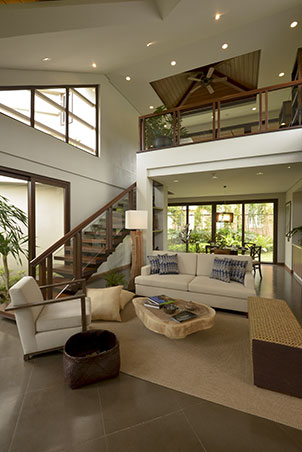
Your Ultimate Guide To Dream House Design In The Philippines
What does your dream house design in the Philippines truly look like? Is it a modern minimalist villa with sweeping ocean views, a charming bahay kubo-inspired retreat nestled in the mountains, or a sleek urban loft in a bustling metropolis? For many Filipinos and expats alike, designing a home here is more than just constructing a building; it’s about weaving together the vibrant threads of culture, climate, and personal aspiration into a space that feels uniquely yours. The Philippines, with its over 7,000 islands, presents a breathtakingly diverse canvas—from typhoon-prone coastal areas to cool, misty highlands—making the journey to your dream home both exciting and uniquely challenging. This comprehensive guide will navigate every critical step, from initial inspiration to final turnover, ensuring your vision not only stands strong against the tropical elements but also becomes a sanctuary of comfort, style, and resilience for generations to come.
Understanding the Filipino Dream Home: Culture, Climate, and Context
Before sketching a single line, the foundational step in any dream house design in the Philippines is a deep appreciation for the local context. The Filipino concept of home extends beyond physical walls; it’s the heart of kapamilya (family), a place for salu-salo (gatherings), and a refuge from the vibrant, sometimes intense, tropical environment. Historically, indigenous designs like the bahay kubo offered brilliant, low-tech solutions: elevated floors for flood and pest protection, large ventanillas (window openings) for cross-ventilation, and steep nipa roofs for heavy rain. These principles are not obsolete; they are timeless wisdom that must inform any contemporary design.
The Philippine climate is non-negotiable. With a tropical monsoon climate, expect intense sun, high humidity, and a pronounced rainy season. The country averages 20 typhoons annually, with many bringing destructive winds and flooding. Therefore, your dream home must prioritize climate-responsive architecture. This means designing for natural ventilation to reduce reliance on air conditioning, incorporating wide overhangs and deep eaves to shield walls and windows from rain and sun, and selecting materials that can withstand moisture and salt air if near the coast. Ignoring these factors leads to high maintenance costs, discomfort, and potential structural damage. Your design should work with the climate, not against it.
Furthermore, consider the socio-cultural fabric. The Filipino home often blurs the line between indoor and outdoor living. Spaces like the lanai (covered porch), azotea (roof deck), and garden areas are essential for entertaining, relaxing, and daily life. Multi-generational living is common, so planning for private puwang (spaces) for different family members, alongside large communal areas, is a practical necessity. Understanding these cultural nuances ensures your home is not just beautiful but also deeply functional and meaningful for its inhabitants.
Essential Architectural Styles for Philippine Dream Homes
The beauty of dream house design in the Philippines lies in its stylistic diversity, which can be broadly categorized into several enduring and contemporary directions.
Spanish Colonial and Bahay na Bato: This iconic style evokes nostalgia and grandeur, characterized by thick stone or masonry walls, capiz shell windows, grand staircases, and azoteas. Modern interpretations use reinforced concrete but maintain the aesthetic with arched doorways, wrought-iron details, and interior courtyards (patio). It’s particularly suited for heritage towns and cooler climates, offering excellent thermal mass that keeps interiors cool.
Modern Tropical: Perhaps the most popular choice for new dream house designs, this style seamlessly blends clean, minimalist lines with tropical responsiveness. Think large, floor-to-ceiling sliding glass doors opening to gardens or pools, flat or shallow-pitched roofs with generous overhangs, and a material palette of concrete, warm hardwoods (like narra or teak), and natural stone. The focus is on creating a light, airy, and indoor-outdoor connection while maintaining a sophisticated, uncluttered look.
Contemporary Filipino: This style consciously integrates traditional elements with modern technology and global aesthetics. A bahay kubo-inspired triangular roof might sit atop a sleek concrete box, or bamboo accents might feature in a high-tech kitchen. It’s about telling a story of place through design, using local materials and forms in innovative ways. This approach is highly personal and reflects a growing desire to define a modern Philippine architectural identity.
Minimalist and Industrial: Gaining traction in urban centers like Metro Manila and Cebu, this style favors raw concrete, exposed beams, large expanses of glass, and a monochromatic or neutral color scheme. The challenge here is to mitigate heat gain and ensure privacy without compromising the aesthetic, often solved with clever external shading devices, smart landscaping, and high-performance glazing.
When choosing a style, let your site and lifestyle dictate. A seaside villa might lean towards open-plan modern tropical, while a mountain retreat could embrace cozy, rustic elements. Often, the most stunning homes are hybrids, borrowing the best from multiple styles to create something uniquely tailored.
Maximizing Space and Light in Tropical Design
In a tropical setting, managing space and light is an art form that directly impacts comfort and energy efficiency. The goal is to maximize natural cross-ventilation and diffused daylight while minimizing direct solar heat gain.
Strategic Window Placement and Design: Windows should be positioned on opposite or adjacent walls to capture prevailing breezes. Double-hung windows with ventanillas below the main sash are exceptionally effective, allowing for low-level air intake even when the main window is closed during rain. For large glazed areas, consider brise soleil (sun-shading fins), external louvers, or deep eaves to block the high summer sun while allowing the lower-angle winter sun to penetrate.
High Ceilings and Volume: Raising ceiling heights to 3 meters or more creates a reservoir of hot air that rises above living spaces, improving thermal comfort. Coffered or cathedral ceilings can enhance this effect while adding architectural drama. In two-story homes, a double-height living area or a central atrium with a roof lantern can act as a natural chimney, drawing hot air upwards and out.
The Power of Open Plans and Sliding Partitions: Reducing internal walls creates a natural airflow path through the house. However, for privacy and air-conditioning efficiency, use sliding shoji screens, folding capiz partitions, or cleverly placed cabinetry to define spaces without completely blocking circulation. This flexibility is key for multi-functional family homes.
Light Wells and Inner Courtyards: For deep-plan houses or those on narrow lots, incorporating a central courtyard or light well is invaluable. It brings daylight and ventilation deep into the home’s core, often becoming a beautiful, private garden oasis. This ancient bahay kubo principle is a powerful tool in modern urban design.
Sustainable and Eco-Friendly Building Practices
Building your dream house in the Philippines is a prime opportunity to invest in sustainability, which translates to long-term savings, resilience, and environmental stewardship. Sustainable design is no longer a luxury; it’s a smart, responsible choice.
Passive Design First: The most effective sustainability comes from the building’s form and orientation. Proper siting to capture breezes, strategic shading, thermal mass construction (like concrete or brick), and natural ventilation systems drastically reduce the need for mechanical cooling. This is your first and most important line of defense against high electricity bills.
Water Harvesting and Management: With water scarcity a growing concern in many regions, installing a rainwater harvesting system is essential. Gutters channel rainwater to large storage tanks (bubong), which can then be used for flushing toilets, irrigation, and even washing. Pair this with permeable paving in driveways and gardens to replenish groundwater and prevent flooding.
Renewable Energy Integration: The Philippines’ abundant sunshine makes solar photovoltaic (PV) systems a logical choice. A well-sized solar panel array can significantly offset, or even eliminate, your electricity bill. Solar water heaters are another cost-effective addition. While the initial investment is higher, government incentives and decreasing technology costs are improving payback periods.
Local and Low-Impact Materials: Specify sustainably sourced timber (look for FSC certification), rapidly renewable materials like bamboo, and locally manufactured concrete blocks or bricks to reduce transportation emissions. Avoid materials with high volatile organic compound (VOC) emissions for healthier indoor air quality. Consider reclaimed wood or adobe (mud bricks) for unique character and low environmental impact.
Selecting the Right Materials for Durability and Beauty
Material selection in the Philippine context is a critical balance between aesthetic appeal, climatic suitability, and long-term durability. The wrong choice can lead to rapid deterioration, constant maintenance, and huge costs.
For Structural Elements: Reinforced concrete remains the gold standard for its strength, fire resistance, and termite-proof qualities. For roofing, galvalume steel or concrete tiles are excellent for typhoon resistance and longevity. Avoid standard corrugated steel (yero) for primary roofs unless absolutely necessary, as it is noisy and prone to rust if not properly coated.
For Walls and Cladding: Solid concrete or concrete hollow block (CHB) walls provide excellent thermal mass and storm resistance. For a more natural look, fiber cement panels or stone cladding are durable and low-maintenance. If using wood, opt for naturally durable species like ipil, molave, or yakal, and ensure it is properly treated and installed with adequate ventilation to prevent rot. Capiz shells offer beautiful, diffused light but require careful installation to be weatherproof.
For Flooring:Porcelain tiles are the most practical choice—durable, easy to clean, and cool underfoot. For a warmer feel, hardwood or laminate flooring can be used in air-conditioned areas. In wet zones like bathrooms and banyo (utility areas), non-slip tiles are a non-negotiable safety feature. For outdoor decks, bamboo decking (properly installed and maintained) or composite materials offer good slip resistance.
For Finishes: Use exterior-grade paints with UV and mildew resistance. For interiors, consider lime plaster or natural clay finishes which regulate humidity and are breathable, ideal for tropical homes. Always specify materials rated for "high humidity" and "exterior use" where applicable.
Integrating Smart Home Technology for Modern Living
A true dream house design in the Philippines today seamlessly incorporates smart home technology to enhance security, convenience, comfort, and efficiency. The key is to plan for this infrastructure early, during the construction phase.
Core Systems to Consider:
- Security & Access: A comprehensive system with CCTV cameras (especially at entry points and perimeter), smart door locks (keypad or biometric), and an alarm system is fundamental for peace of mind. Integration with mobile apps allows remote monitoring.
- Climate Control: While passive design is primary, smart thermostats for air conditioning units allow for programmed schedules and zone control, preventing energy waste. Automated ceiling fans with humidity sensors can also boost comfort.
- Lighting:Automated lighting systems (like Philips Hue or similar) enable scene setting, remote control, and scheduling. Motion sensors in corridors, gardens, and garages add convenience and security.
- Entertainment & Connectivity: Pre-wiring for structured cabling (Ethernet, coaxial, fiber) ensures robust, high-speed internet and media distribution throughout the home—crucial for remote work and streaming.
- Utilities Monitoring:Smart water leak detectors under sinks and in utility areas can prevent catastrophic damage. Smart electrical panels can monitor energy usage per circuit, identifying power hogs.
Implementation Tip: Work with a reputable home technology integrator during the design phase. They can advise on necessary wiring (CAT6, coaxial), conduit placement, and system scalability. It is far more expensive and disruptive to retrofit these systems after walls are finished.
Navigating Local Regulations and Building Codes
The bureaucratic landscape is a critical, often underestimated, part of realizing your dream house design in the Philippines. Failure to comply can result in stop-work orders, fines, or even demolition.
Key Regulatory Bodies: The primary national agency is the Housing and Land Use Regulatory Board (HLURB), now under the Department of Human Settlements and Urban Development (DHSUD). They set national building codes. However, local government units (LGUs)—your city or municipal engineering office, planning and development office, and assessor’s office—issue the actual permits and enforce zoning ordinances. Fire departments and the Department of Public Works and Highways (DPWH) also have jurisdiction for certain aspects like road access and fire safety compliance.
The Permit Process: Typically, you will need:
- Barangay Clearance: From the local village head.
- Zoning Compliance: Confirming your intended use is allowed in that specific zone (residential, agricultural, etc.).
- Building Permit: Requires submission of detailed architectural, structural, electrical, and plumbing plans signed by licensed professionals (architect, civil engineer, etc.). This is the most comprehensive document.
- Environmental Compliance Certificate (ECC): Required for larger projects or those in environmentally critical areas, from the DENR.
- Sanitary Permit and Electrical Permit.
- Fire Safety Evaluation Certificate.
Crucial Advice:Hire a licensed local architect or civil engineer as your project’s responsible person. They are not only essential for designing to code but are also legally required to sign and seal your plans. They will navigate the LGU’s specific quirks and requirements, saving you immense time and stress. Always verify an LGU’s specific requirements, as they can vary significantly.
Budgeting and Financing Your Dream Home Project
Creating a realistic budget is the cornerstone of a successful dream house design in the Philippines. Costs can escalate quickly without meticulous planning.
Cost Breakdown (Approximate 2024 Rates): Construction costs vary wildly by location, finish quality, and design complexity. As a rough guide:
- Economy Finish: ₱15,000 - ₱25,000 per square meter.
- Standard/Mid-Range Finish: ₱25,000 - ₱40,000 per square meter (most common for quality dream homes).
- High-End/Luxury Finish: ₱40,000 - ₱80,000+ per square meter.
These figures cover materials, labor, and contractor profit but exclude the cost of the land, permits, architectural/engineering fees (typically 3-7% of construction cost), landscaping, and a contingency fund.
The Essential Contingency: Always include a 10-15% contingency fund for unforeseen issues—like encountering poor soil conditions, price hikes in materials, or necessary design changes during construction.
Financing Options:
- Cash Savings: The simplest, avoids interest.
- Bank Construction Loans: These are disbursed in tranches (stages) based on completed work. Requires a detailed bill of materials (BOM) and program of work (POW). Interest rates vary.
- Pag-IBIG Fund Housing Loan: Offers lower interest rates for eligible members, but the property must be in a Pag-IBIG-approved project or meet their standards for a lot-only or house construction loan.
- Developer Packages: For subdivisions, buying a lot with a design-and-build package can simplify the process but may limit customization.
Actionable Tip: Get at least three detailed, itemized quotations from reputable contractors for your exact design and specifications before finalizing your budget. Never rely on per-square-meter estimates alone.
Choosing the Perfect Location: Urban vs. Suburban vs. Provincial
The location of your dream house design in the Philippines dictates not just your lifestyle but also your design parameters, budget, and long-term satisfaction.
Urban (Metro Manila, Cebu City, Davao City):
- Pros: Proximity to work, schools, hospitals, malls, and international airports. High land value as an investment. Access to top-tier professionals and suppliers.
- Cons: Extremely high land cost. Noise, pollution, traffic congestion. Smaller lot sizes, requiring vertical or compact designs. Strict zoning and neighborhood association (subdivision) rules. Higher construction costs due to logistics.
- Design Focus: Maximizing small spaces, soundproofing, security, and efficient vertical circulation. Rooftop gardens and azoteas become precious outdoor areas.
Suburban ( outskirts of cities, master-planned communities):
- Pros: Balance of space and accessibility. Generally safer, quieter, and more spacious lots. Good for growing families. Often have secured village amenities.
- Cons: Longer commute. May still have some community restrictions. Utilities might be less reliable than city center.
- Design Focus: Single-story or two-story layouts, larger gardens, more flexible floor plans. Good for sustainable features like solar panels and rain catchment.
Provincial/Regional ( provinces, islands):
- Pros: Vast, affordable land. Stunning natural vistas (beachfront, mountain, farmland). Strong sense of community. Potential for self-sufficiency.
- Cons: Limited access to specialized contractors, architects, and high-quality materials (may need shipping from Manila/Cebu, increasing cost). Unreliable power and water supply in some areas. Fewer high-end hospitals and schools. Longer travel for essentials.
- Design Focus: Extreme self-reliance: robust water systems (deep well, rainwater), backup power (genset), and use of local, indigenous materials and labor. Designs often need to be more self-contained.
Critical Location Checklist: Always investigate flood maps, soil stability (especially near slopes or coastlines), utility reliability, road access (is it all-weather?), and future development plans for the area before purchasing land.
Working with Architects and Designers in the Philippines
Collaborating with the right professional is arguably the most important decision in your dream house design journey. They transform your vision into a buildable, code-compliant reality.
Why You Need a Licensed Professional: In the Philippines, only a licensed architect or civil engineer can sign and seal construction plans for a building permit. They are legally and ethically responsible for the safety and compliance of the design. Beyond that, a good designer brings creativity, technical knowledge, project management skills, and a network of trusted contractors and suppliers.
The Selection Process:
- Define Your Style & Budget: Have a clear idea (mood boards, Pinterest, sketches) and a realistic budget range before you start looking.
- Research and Shortlist: Look for architects whose portfolio resonates with your taste. Check their credentials with the Professional Regulation Commission (PRC). Read reviews, visit their completed projects if possible.
- The Initial Consultation: This is a two-way interview. Present your vision, budget, and timeline. Gauge their enthusiasm, understanding of your needs, and communication style. Ask about their typical process, fee structure (percentage of construction cost or fixed fee), and projected timeline.
- Review the Proposal: A good proposal outlines the scope of work, deliverables (conceptual design, working drawings, specifications), fee breakdown, payment schedule, and project timeline. It should be clear and detailed.
Key to Success: Communication. Establish a single point of contact (usually the architect). Schedule regular site visits and progress meetings. A detailed specifications book that lists every material, finish, and fixture by brand and model is crucial to avoid disputes and "change orders" that blow the budget.
Interior Design Trends That Define Philippine Homes
The interior of your dream house in the Philippines should be a serene counterpoint to the vibrant exterior, focusing on comfort, breathability, and a connection to nature.
Biophilic Design: This is the dominant trend. It means incorporating nature through large windows overlooking gardens, indoor plants (monstera, pothos, palms), natural materials (wood, rattan, stone, bamboo), and water features. It reduces stress and improves air quality.
Light and Airy Palettes: White, cream, beige, and soft pastels dominate walls and large furniture pieces. These colors reflect light, making spaces feel larger and cooler. Pops of color come from textiles (cushions, hablon or piña throws), art, and tropical plants.
Natural and Textured Materials: Move away from sterile laminates. Embrace the warmth of solid wood furniture, the texture of woven rattan or seagrass rugs and baskets, the coolness of natural stone countertops, and the handcrafted feel of ceramic or capiz light fixtures. These materials age gracefully and add soul.
Multi-Functional and Flexible Spaces: With urban spaces shrinking, furniture that serves multiple purposes is key. Think sofa beds, storage ottomans, wall-mounted fold-down desks, and modular shelving that can be reconfigured as family needs change.
Local Artisanal Touches: Incorporate pieces from Filipino artisans: a banig (woven mat) as a wall hanging, a parol (Christmas star) as a year-round light fixture, or burnay (clay jars) as decorative vessels. This personalizes your space and supports local craftsmanship.
Outdoor and Garden Spaces for Tropical Living
The outdoors is an integral room in any Filipino home. Designing these spaces thoughtfully extends your living area and maximizes enjoyment of the tropical climate.
The Covered Lanai or Veranda: This is the quintessential transition space. It should be generously sized, with a sturdy roof for sun and rain protection, and ideally, screened or with capiz windows to keep out insects. Furnish it with comfortable, weather-resistant sofas, a dining set, and lush greenery in pots or planters. It becomes the primary spot for morning coffee, afternoon lounging, and evening gatherings.
The Azotea or Roof Deck: For homes with flat roofs, the azotea is a prized asset. It can be a private sanctuary with a small garden, a barbecue (ihaw-ihaw) area, or even a stargazing spot. Ensure it has proper drainage, non-slip flooring (wood decking or concrete with texture), and safety railings. A pergola or retractable awning provides flexible shade.
The Tropical Garden: Focus on low-maintenance, native, or adapted plants that thrive in your specific micro-climate. Group plants with similar water needs. Incorporate hardscaping—paths, a small pond or fountain for cooling ambiance, and seating nooks. Avoid dense foliage right against the house to prevent moisture problems and pests.
The Banyo or Utility Garden: This is a practical outdoor space for drying laundry (drying rack), storing garden tools, and housing the septic tank and water pump. It should be discreet, functional, and easily accessible from the kitchen or laundry area.
Pool Design: If including a pool, consider its orientation for sun exposure and wind protection. Saltwater systems are easier to maintain. Safety is paramount—include a fence with a self-locking gate if you have young children.
Common Mistakes to Avoid in Dream Home Design
Even with the best intentions, pitfalls can derail your dream house project. Here are the most frequent and costly errors to sidestep.
1. Ignoring the Climate for the Sake of Style: Importing a design from a temperate climate (e.g., a large glass wall facing west with no shading) will create an oven. Always prioritize passive cooling strategies first. Aesthetic must follow function in the tropics.
2. Underestimating the Budget and Skipping the Contingency: This is the number one cause of unfinished projects. Be brutally honest about your finances and add that 15% buffer. Get detailed quotes, not estimates.
3. Poor Site Planning and Orientation: Not studying the sun’s path, prevailing winds, and flood history before finalizing the house plan. The house should be positioned on the lot to optimize these natural elements, not the other way around.
4. Over-Planning and Over-Building: Creating a home that’s too big for your current or foreseeable needs leads to wasted space, high maintenance, and unnecessary expense. Design for your lifestyle, not for impressing others. Consider future-proofing for accessibility (wider doors, single-level living) as you age.
5. Hiring Unlicensed or Uninsured Contractors: This is a massive risk. Unlicensed contractors may cut corners, lack proper safety protocols, and leave you with no recourse if they disappear or work is defective. Always verify licenses and demand a copy of their liability insurance.
6. Forgetting About Storage: From kitchen pantries to linen closets and garage storage, you will always need more than you think. Plan dedicated, well-designed storage spaces from the beginning. Clutter is the enemy of a beautiful, peaceful home.
7. Neglecting the Utility Infrastructure: Not budgeting for or planning the electrical system (panel capacity for future AC, appliances), plumbing (water pressure, pipe sizing), and septic system (proper sizing per DENR guidelines) can lead to constant headaches and expensive retrofits.
The Future of Dream Home Design in the Philippines
The trajectory of dream house design in the Philippines is moving towards greater resilience, intelligence, and sustainability, driven by climate change, technological advancement, and evolving lifestyles.
Resilient and Adaptive Architecture: With typhoons intensifying and sea levels rising, expect to see more homes designed with storm-resistant features (reinforced concrete safe rooms, impact-resistant windows, elevated living areas in flood zones). Designs will be more adaptable, with movable partitions and flexible spaces that can serve different purposes as family needs or environmental conditions change.
The Rise of Prefabrication and Modular Construction: To address labor shortages, rising costs, and construction waste, prefabricated (prefab) or modular homes are gaining traction. Components are manufactured in controlled factory settings, ensuring quality, reducing on-site waste, and speeding up construction time. This method is ideal for repetitive designs or for building in remote areas.
Hyper-Local and Circular Material Sourcing: The next step in sustainability is a circular economy approach. We’ll see more innovative use of local, waste-based materials—like plastic and steel slag in concrete, or bamboo composites engineered for high strength. The focus will be on materials that are renewable, recycled, and fully recyclable at the end of the building’s life.
AI and Advanced Home Integration: Beyond basic smart homes, artificial intelligence (AI) will manage home environments proactively. Systems will learn occupant habits to optimize cooling, lighting, and security. AI-assisted design tools will allow homeowners to visualize and iterate on their plans in real-time, with virtual and augmented reality walkthroughs becoming standard.
Wellness-Centric Design: Post-pandemic, homes are increasingly seen as wellness sanctuaries. Expect designs that prioritize indoor air quality (advanced filtration, non-toxic materials), circadian rhythm lighting that mimics natural daylight, dedicated spaces for fitness and meditation, and deeper integration with healing gardens and water elements.
Conclusion
Designing and building your dream house in the Philippines is one of life's most significant and rewarding endeavors. It is a complex dance between your personal vision and the immutable realities of a dynamic tropical environment. Success hinges on a foundation of thorough research, realistic budgeting, and professional collaboration. Embrace the wisdom of traditional bahay kubo design—elevated floors, wide eaves, and breathing walls—and fuse it with modern sustainable technologies, smart home conveniences, and your unique aesthetic.
Remember, the perfect Philippine dream home is not the most expensive or the largest; it is the one that shelters, inspires, and endures. It is cool in the heat of May, secure during the fiercest typhoon, and welcoming for fiesta after fiesta. It is a testament to thoughtful design, built to cradle your family’s story for years to come. Start with a clear vision, partner with the right experts, respect the climate and culture, and build not just a house, but a lasting legacy. Your dream, thoughtfully designed, awaits.